
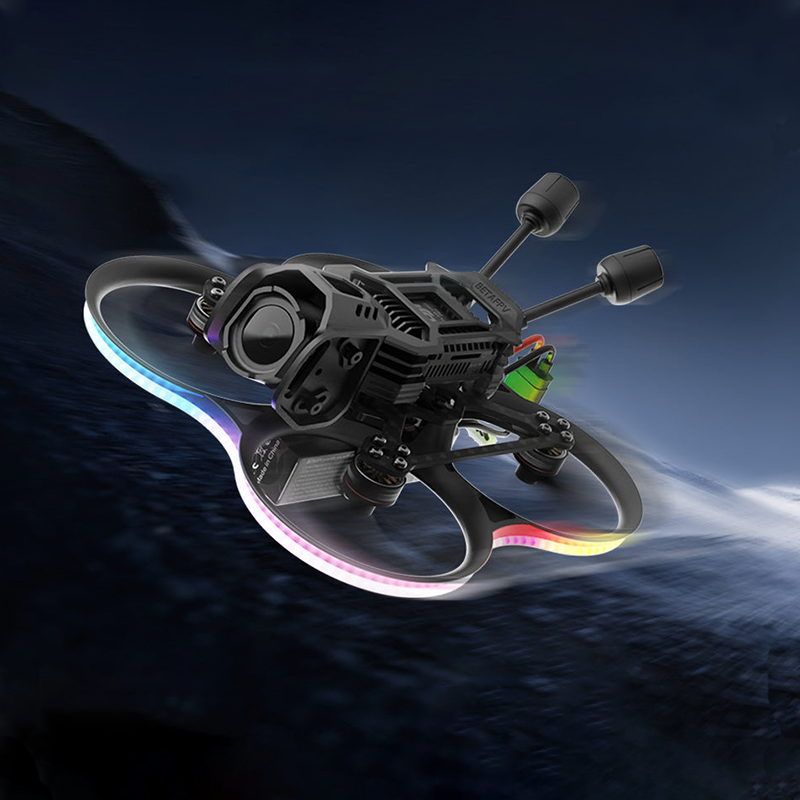
BetaFPV has officially released the Pavo 20 Pro, and at first glance, it looks almost identical to the Pavo 20 Pro. But beneath that familiar frame are a few notable upgrades that aim to refine an already excellent FPV quad.
The big question is: does the Pro 2 actually offer enough to justify buying it or upgrading? After flying it outdoors, testing the new features, and comparing it directly with the original Pro, here’s the full breakdown.
What’s New with the Pavo 20 Pro ?
The Pavo 20 Pro keeps the same overall design and flight characteristics that made the original Pro so popular, but BetaFPV has added a few upgrades:
Dual Pre-Tuned Profiles
One of the main updates is dual pre-tuned flight profiles. You can set up two different profiles and switch between them directly in your goggles. While this is a useful feature on paper, it wasn’t fully tested here, so performance differences will depend on how you configure them in Betaflight.

Programmable RGB Lighting
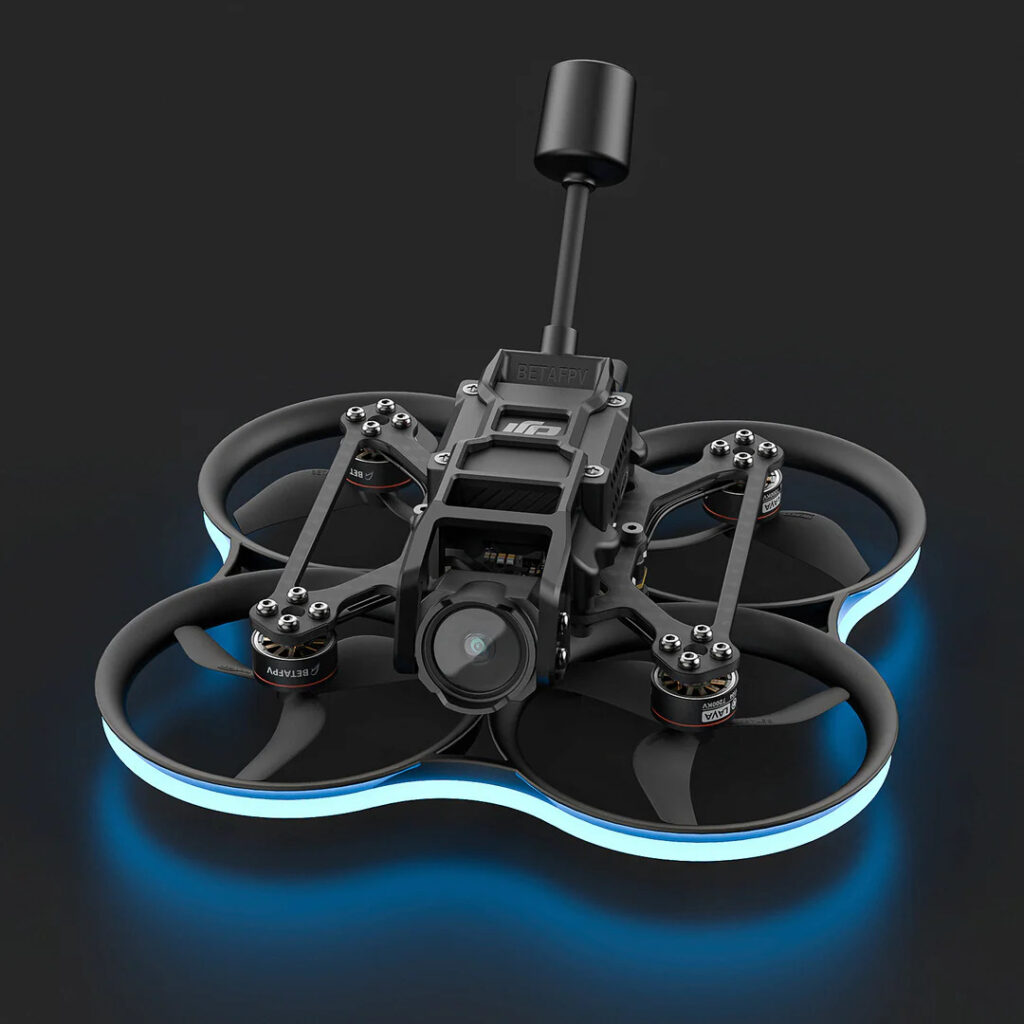
The most visually noticeable upgrade is the addition of new programmable RGB lights. These lights can be customized in Betaflight and assigned different colors and effects or even mapped to a switch to turn them on and off.
Available effects include:
- Solid color patterns
- Breathing / pulsing effects
- Rainbow cycling
- Strobe mode
They’re bright, eye-catching, and definitely add personality to the quad, especially when flying at dusk or in low-light conditions.

Improved Frame Durability
The frame has been slightly improved to be more crash resistant, although visually, the Pro 1 and Pro 2 look nearly identical when placed side by side.
Read More: BETAFPV Pavo Pico 2 Review
Outdoor Flight Performance
The outdoor test was done in cold winter conditions (-6°C / ~21°F), which makes flying a bit more challenging especially without gloves.
Flight Characteristics
- Extremely fast, just like the original Pavo 20 Pro
- Very stable in acro mode
- Easy to hover and control
- Smooth dives, turns, and low-altitude flying
Whether flying down neighborhood roads, skimming low over snow, or diving behind the house, the Pro felt confident, responsive, and predictable.
If there is a difference, it’s subtle enough that you’d need to fly both back-to-back to notice it.
Specs Overview
- Camera System: DJI O4 Pro (recording + transmission)
- Antennas: DJI long-range antennas included
- Receiver: ELRS compatible
- Flight Controller: F4 20A (F420A), a very popular and reliable choice
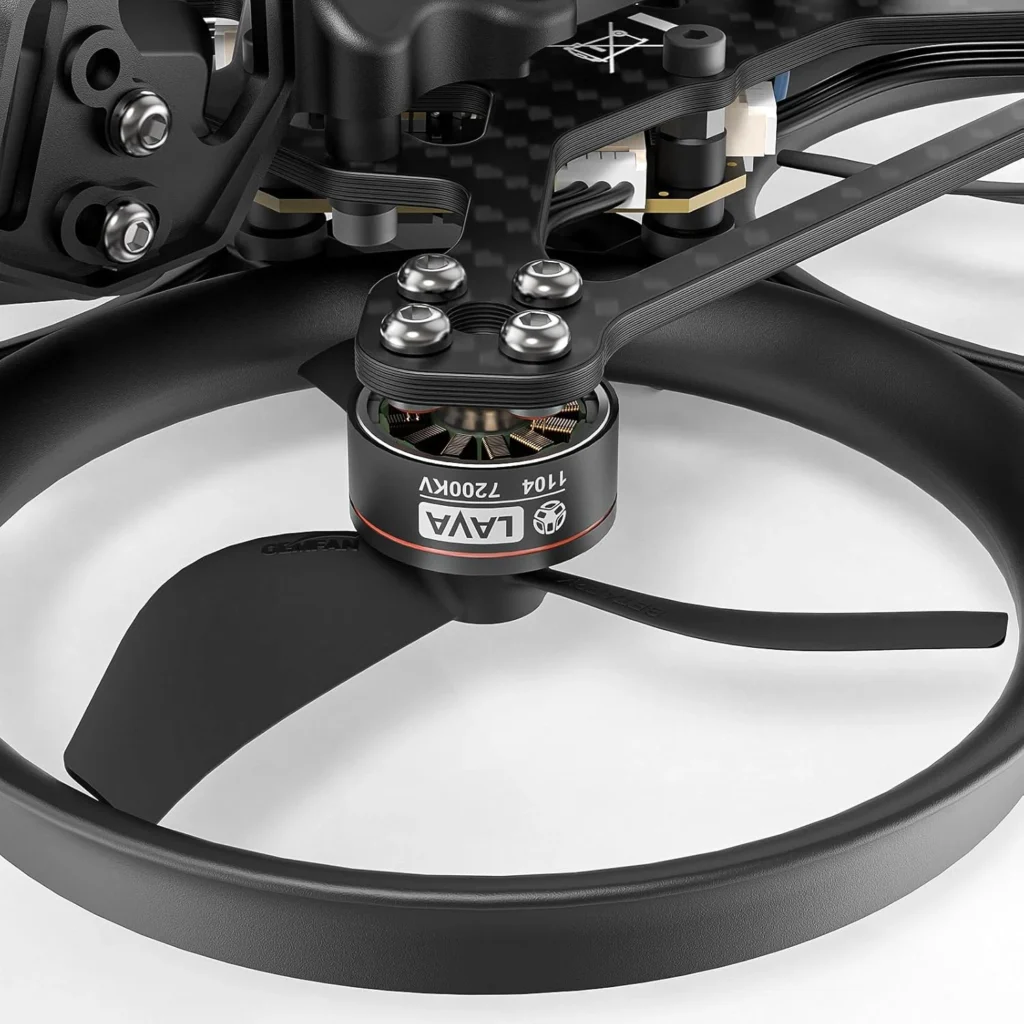
- Motors: 7200KV brushless motors
- Props: Tri-bladed props
- Battery Connector: XT30
- Recommended Battery: 3S 550mAh LiPo
- Dry Weight: 108g
- All-Up Weight (with battery): 152g
What’s in the Box?
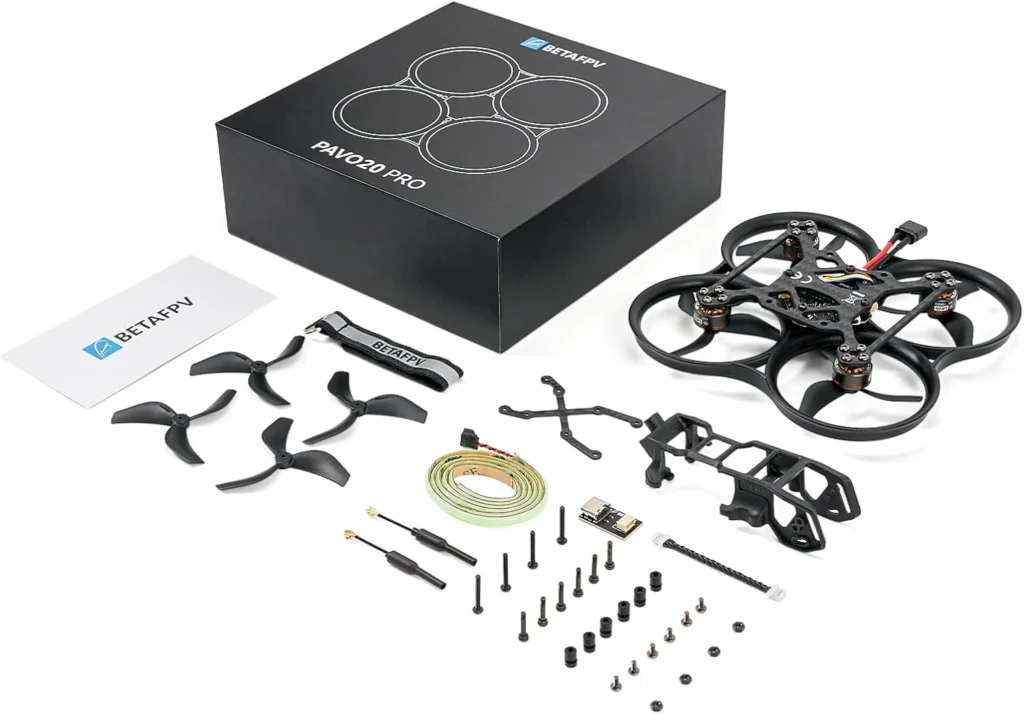
Inside the box, you’ll find:
- Pavo 20 Pro quad
- Spare propellers
- Programmable RGB lights
- Multiple antennas and wiring options
- Tool
- DJI O4 documentation
- BetaFPV product support card
- Special cable for Betaflight (rear-mounted port)
Buy the Pavo 20 Pro if:
- You don’t own the original Pavo 20 Pro
- You want the new RGB lighting features
- You’re buying your first high-quality cinewhoop-style FPV drone
Table of Contents
Final Verdict
The BetaFPV Pavo 20 Pro Review is an excellent FPV quad fast, stable, easy to control, and incredibly fun to fly. However, it’s more of a refinement than a revolution.
- If you already own the Pro 1, there’s no urgent reason to upgrade.
- If you don’t own one yet, the Pro 2 is the version to buy.
Either way, anyone who flies this quad is going to be beyond satisfied with how well it performs.
Read More: GEPRC DarkStar 22 Review