
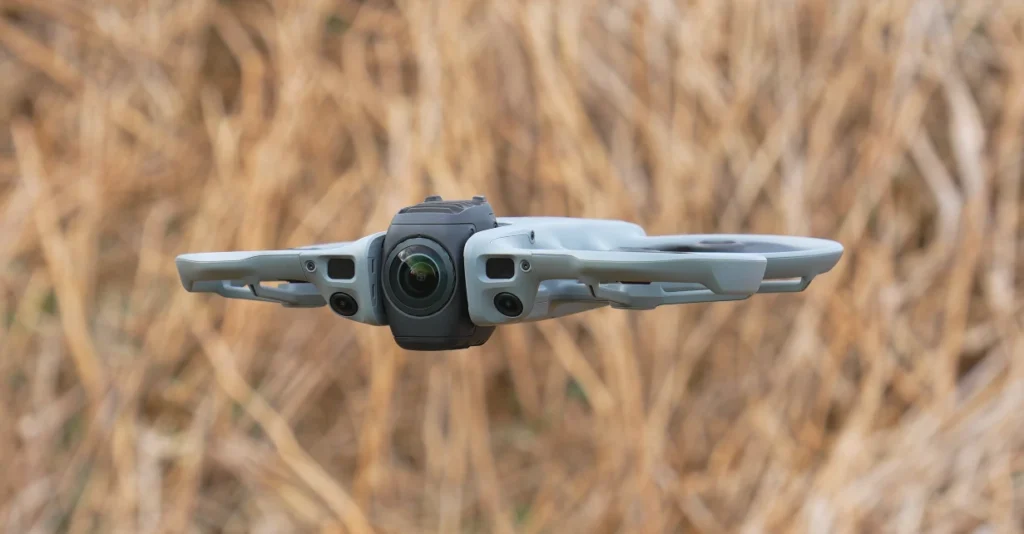
The 360 drone category is here, and it features two strong contenders. The Antigravity A1, created by Antigravity and based on the established Insta360 ecosystem, was the first to hit the market. Now, DJI has introduced the Avata 360, utilizing their years of drone engineering expertise in the 360 aerial imaging field.
Both drones share the same basic goal: capturing fully spherical footage from the air. However, they differ in several important areas, including weight, portability, camera design, flight control, transmission reliability, software, and price.
This comparison explores each key difference between the two, helping you make an informed decision about which 360 drone is best for your needs and flying environment.
What Makes 360 Drones Different?
Before comparing the two aircraft directly, it’s important to understand why the 360 drone concept represents a significant step forward in aerial imaging. Traditional 360 cameras, like the Insta360 X5 and the Optima 360, capture everything around them at ground level. A 360 drone takes that same ability to capture in all directions and applies it to aerial footage.
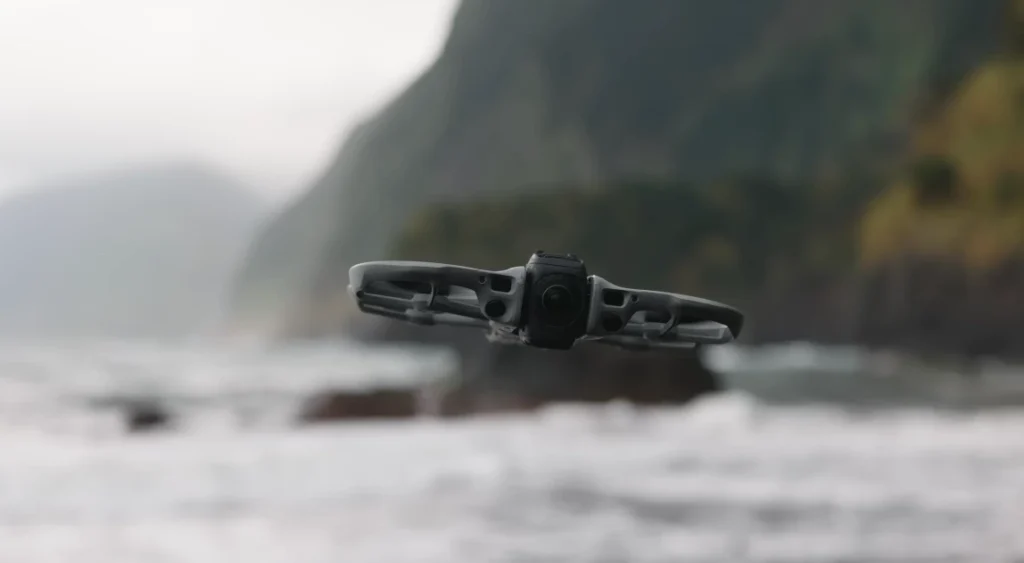
This allows operators to shoot in every direction at once, from hundreds or even thousands of feet in the air. Both the A1 and Avata 360 come with a 4K camera on the top and another 4K camera on the bottom.
The footage from these cameras is stitched together in post-production with special software, creating a fully spherical video file. Once back in the editing suite, the operator can reframe the shot in any direction up, down, left, or right and choose the angle they want to export.
This flexibility in reframing after capture is a key advantage of 360 drone footage and is the main reason this category is gaining strong interest from content creators and filmmakers.

Weight and Portability
One of the most practical differences between these two drones is weight, and this distinction has important consequences in the regulatory environment that governs drone flight. The Antigravity A1 is a sub-250-gram aircraft. This matters a lot because the FAA, along with aviation regulatory bodies in many countries, requires drone operators to register any aircraft that weighs 250 grams or more.
Drones below this limit often have simpler regulatory requirements, giving operators more flexibility about where and how they fly. The A1’s compact folding design enhances this portability advantage, making it one of the smallest and easiest-to-pack 360 drones currently available.
The DJI Avata 360, on the other hand, exceeds the 250-gram threshold. For pilots who value regulatory simplicity or who need to travel light with minimal gear, the A1 offers an advantage that the Avata 360 cannot match in this area.
Read More: DJI Avata 360 vs Mini 5 Pro: A Complete Real-World Comparison
Propeller Guards and Crash Resistance
While the A1 is lighter and more compact, the Avata 360 has a clear advantage in situations where flying close to objects is necessary. The Avata 360 comes with built-in propeller guards that protect the rotors during tight maneuvers around trees, buildings, and other potential obstacles. These guards also greatly improve the drone’s chances of surviving a collision, making the Avata 360 a tougher choice for challenging flying conditions.
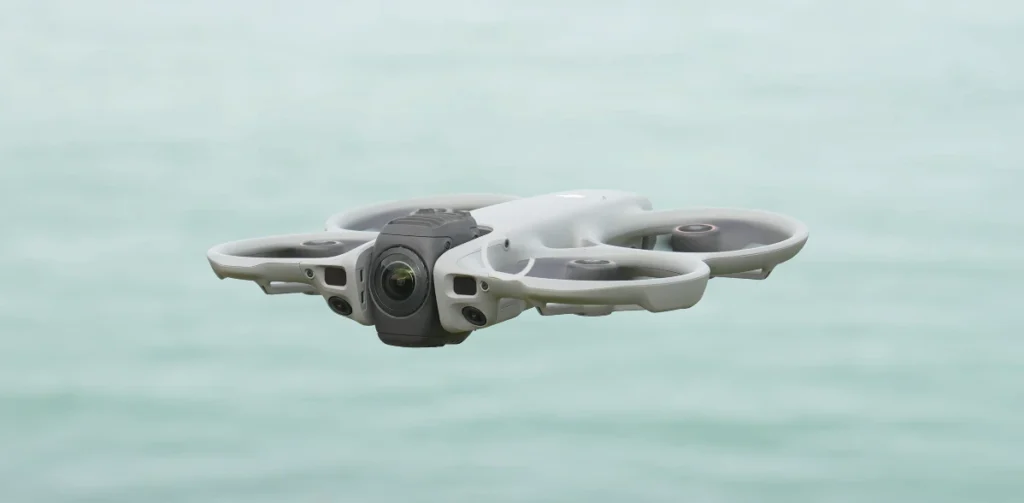
In contrast, the Antigravity A1 lacks propeller guards and has exposed propeller blades that extend outward from the frame. This design presents a higher risk if it hits an obstacle. The chances of walking away from a crash unharmed are much lower than with a protected aircraft like the Avata 360.
Both drones include replaceable lens kits, which is a useful feature. This allows users to change out scratched or damaged lenses without needing to buy a whole new drone. It’s important to point out this similarity, as lens damage is a common result of minor crashes or rough landings.

Camera Design and Landing System
Both drones mount cameras on the top and bottom of the aircraft, but the mechanical execution of the landing system reveals a meaningful design difference. The Antigravity A1 uses deployable landing feet that extend outward when the drone enters landing mode, creating just enough ground clearance to protect the bottom camera lens.
While this system works, it introduces a practical risk if the operator places the drone on the ground without first manually deploying the feet, the bottom lens contacts the surface and sustains scratches. This is a setup error that is easy to make, particularly in fast-moving field conditions.
The DJI Avata 360’s camera system addresses this more elegantly. The bottom camera rotates inward when the drone enters landing mode, removing the lens from the exposure line entirely. Integrated landing feet at the base of the aircraft then support the drone on the ground, with no manual intervention required and no risk of inadvertent lens contact.
The Avata 360 also features a forward-facing single-lens mode – the camera can be oriented straight ahead to capture non-stitched, raw single-camera footage. The A1 does not offer this capability; all of its footage is captured and delivered as stitched 360 output.
Flight Control Options
This is one of the most operationally significant differences between the two aircraft, and it strongly favours the Avata 360. DJI offers operators three distinct control configurations. The RC2 remote controller provides a conventional, familiar joystick-based flight experience compatible with a broad range of other DJI aircraft.
The DJI FPV Goggles 3 provide an immersive FPV (first-person view) experience for pilots who prefer that mode of operation. The motion controller provides a gesture-based alternative for pilots who want a more intuitive control interface.
The Antigravity A1, at the time of this comparison, is limited to two control options: the motion controller and compatible FPV goggles. There is currently no conventional remote control available for the A1. While Antigravity has indicated that a traditional remote control may be released in the future, no confirmed release date has been announced. For pilots accustomed to standard stick-based drone operation, this limitation is a meaningful constraint.
Transmission Reliability
Video signal reliability – the quality and consistency of the transmission link between the drone and the controller or goggles – is a domain where DJI’s extensive experience in drone development produces a clear and substantiated advantage. DJI’s transmission system is well-established, field-proven, and consistently reliable across a wide range of operating environments.
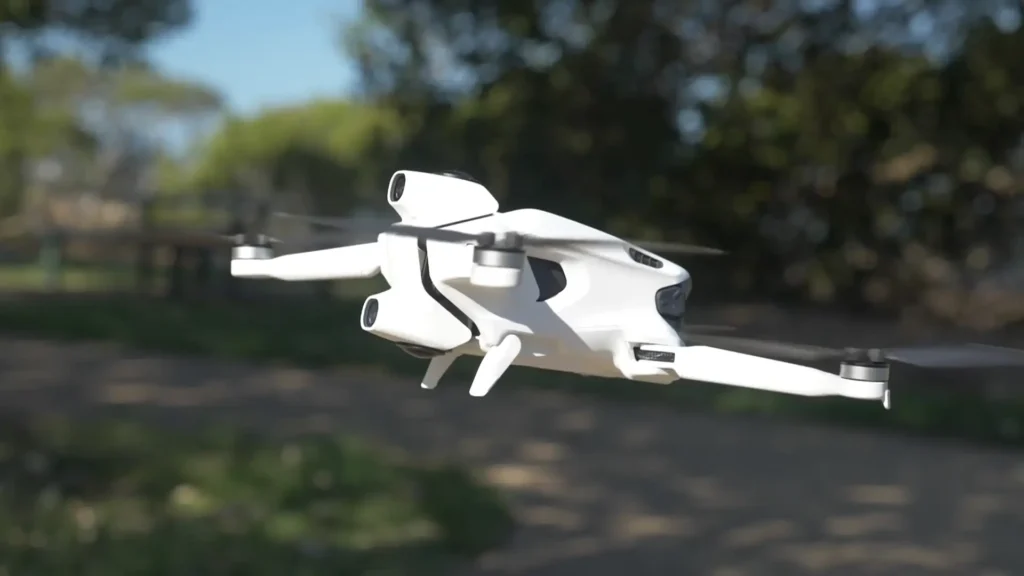
The Antigravity A1, while benefiting from Insta360’s deep camera expertise, is operating in its first generation as a drone platform. The transmission system, while functional, does not yet carry the depth of real-world validation that DJI’s equivalent technology has accumulated over years of product development and operator use.
Read More: Antigravity Studio Beginners Guide
Editing Software
In the post-production workflow, the balance clearly shifts back to the Antigravity A1 because of its Insta360 background. Insta360 has been developing and improving 360 camera editing software for years. This experience shows in the software that the A1 offers. The desktop editing interface is easy to use, loaded with features, and accessible.
It provides operators with strong tools for reframing, colour grading, adding effects, and exporting content quickly.
DJI’s 360 editing software, while functional, is seen as less intuitive. Its project management interface can be confusing when moving between new and existing projects. For operators who spend a lot of time in post-production, the software experience is an important part of daily workflow efficiency.
Price
The complete Antigravity A1 package – drone, motion controller, and goggles – is priced at approximately $1,300. The DJI Avata 360’s final pricing was not confirmed at the time of this comparison, but it was anticipated to come in at a lower price point than the A1, making it a potentially more accessible entry into the 360 drone category for budget-conscious buyers.
Table of Contents
Summary
| Feature | DJI Avata 360 | Antigravity A1 |
| Video | 8K 60fps | 8K |
| Weight | over 250g | Under 250g |
| Obstacle Avoidance | Omnidirectional + LiDAR | Basic |
| Single Lens Mode | Yes | No |
| Transmission | DJI O4 (class-leading) | Standard |
| Controller Ecosystem | RC2, Goggles 3, N3, Motion 3 | Own hardware required |
| Lens Replacement | User-replaceable, €21 each | Manufacturer repair |
| Starting Price | ~€459 / ~$500 | ~$1,599 |
The Antigravity A1 is the stronger choice for operators who prioritize regulatory simplicity, maximum portability, and a superior post-production editing experience. The DJI Avata 360 is the stronger choice for operators who require proximity flight capability, versatile control options, proven transmission reliability, and a more accessible price point. Image quality, which will ultimately be a defining factor for many buyers, remains to be comprehensively evaluated side by side and will inform any final recommendation the Antigravity A1 vs DJI Avata 360.
Read More: DJI Avata 360 – Complete Guide & Spec Breakdown