
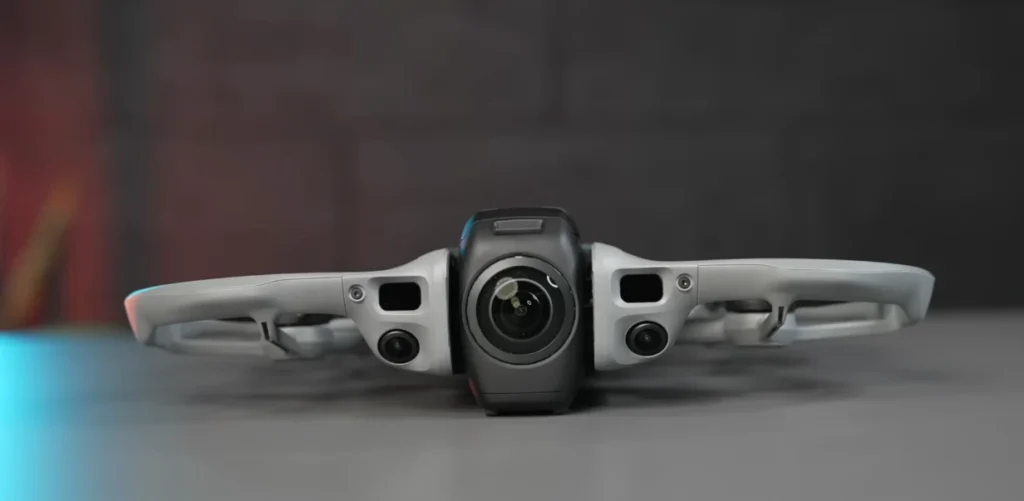
DJI has done it again. After disrupting the 360 camera market with the Osmo 360, the company has now taken the leap into 360 drone territory with the DJI Avata 360, their very first 360-degree drone. It’s been rumoured for ages, and now it’s finally here. Let’s dive into everything you need to know.
Key Specs at a Glance
Before getting into the unboxing, here are the headline specs that make this drone stand out:
- 8K video at up to 60fps
- 10-bit colour with Normal and D-LOG M colour profiles
- Two one-inch square CMOS sensors (top and bottom) for full 360° capture
- Switchable 360 / Single-shot mode with the press of a button
- Omnidirectional vision system with a forward-facing LiDAR sensor
- 42GB internal storage
- 455g weight – classified as a C1 drone in the EU
- Wind resistance up to 23.84 mph (Level 5)
- OcuSync 4 video transmission
- Compatible with DJI RC2, Goggles 3, Goggles N3, and Motion Controller 3

What’s Inside the Fly More Combo?
The Fly More Combo is, as always, the best value option. Here’s everything you get:
- DJI Avata 360 drone
- DJI RC2 controller (with built-in screen)
- 3× 2,700mAh batteries (23 minutes flight time each)
- Charging case that charges all three batteries simultaneously (~100 minutes with a fast charger)
- 4× spare propellers + Allen key
- USB-C charging cable
- Polishing cloth
- DJI landing pad a new addition, exclusive to this drone
- Quick start guide and DJI stickers
- Single-use carry bag for the full kit
One notable inclusion is the bright orange DJI landing pad, which is a first for any DJI drone. Since the bottom lens is exposed during flight, the landing pad protects it from sand, stones, and debris on takeoff and landing.
The 360° Camera System – How It Actually Works
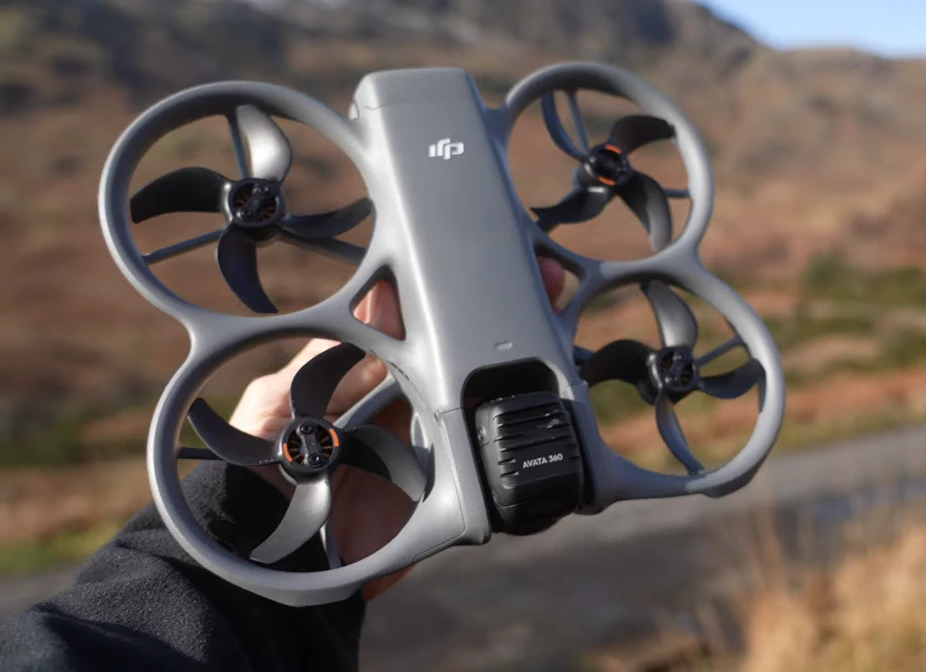
This is where things get genuinely clever. The Avata 360 uses two 1/1.1-inch square CMOS sensors one on top and one on the bottom to capture a full spherical view. But DJI has solved the classic 360 drone problem of protecting the lower lens during takeoff and landing in a really elegant way.
Rather than integrated feet that pop out (like the Insta360 X-Series approach), the camera itself physically rotates. On takeoff and landing, the bottom camera faces inward toward the body of the drone, protecting the lens entirely. Once airborne, it rotates outward to begin capturing the full 360° view. It’s a simple but smart solution.
You also get a switchable Single-Shot mode. Press one button, and the camera rotates to face forward, turning the Avata 360 into a traditional FPV-style drone capable of 4K 60fps footage. This mode pairs especially well with the Motion Controller 3 for immersive FPV flying.
Read More: DJI Avata 360 – An Honest Cinematic Review
Two Ways to Fly
One of the most exciting aspects of this drone is its flexibility:
- Standard cinematic mode – Use it with the DJI RC2 controller and fly it like any other drone, capturing stunning 360° footage without needing to put goggles on.
- FPV/Immersive mode – Pair it with DJI Goggles 3 or Goggles N3 and the Motion Controller 3 for a full first-person flying experience.
This dual-mode capability makes the Avata 360 genuinely versatile it appeals to both content creators who want unique 360 angles and FPV pilots who want the thrill of immersive flying.

Size & Portability
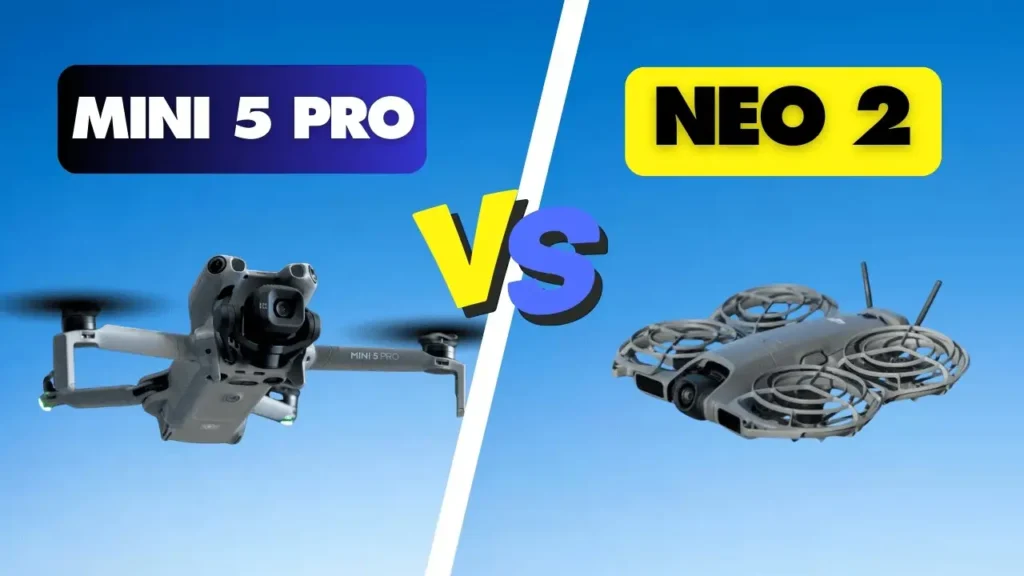
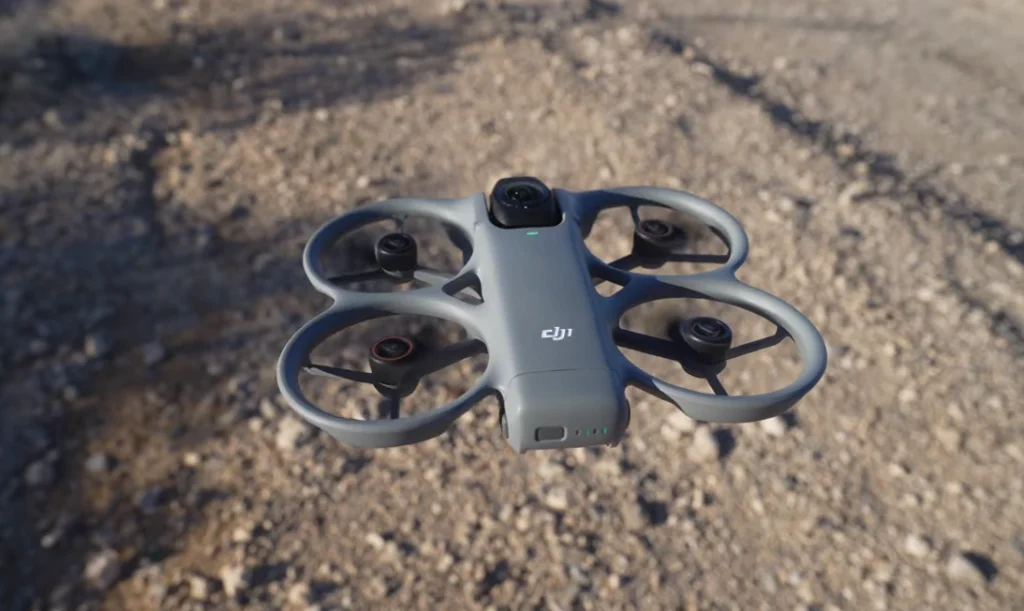
Let’s be honest this is not a small drone. At 455g, it’s noticeably larger than the DJI Neo 2 and slightly bigger than the Avata 2. Compared to something like the DJI Mini 5 Pro folded down, the size difference is substantial.
It doesn’t fold down, which means travelling with it requires more bag space. However, the trade-off is better wind resistance and the structural room needed to house that dual-camera 360 system. If portability is your top priority, this may give you pause. But if you’re after unique, cinematic 360 footage from the air, the size is the price you pay.
Obstacle Avoidance & Safety
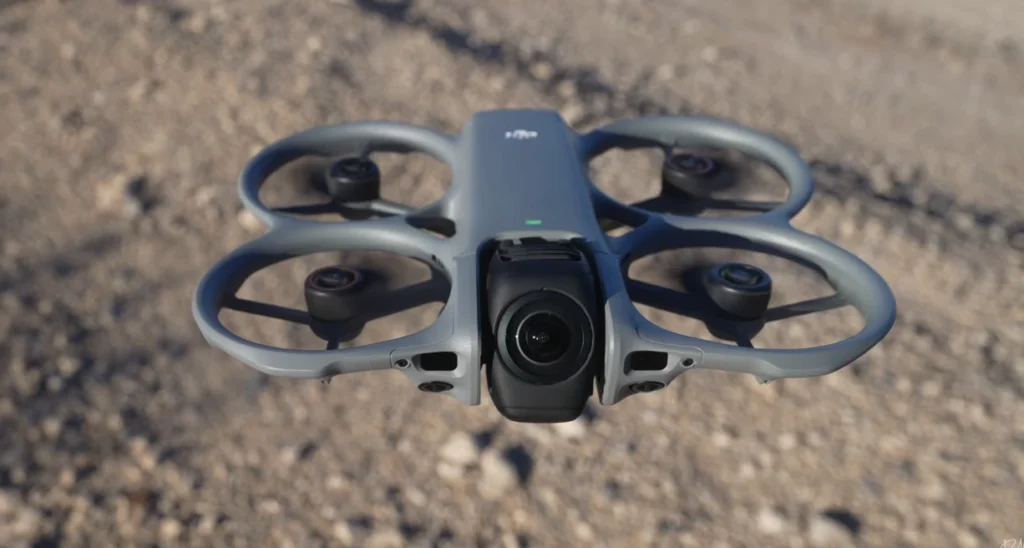
The Avata 360 is well-equipped in the safety department. It features:
- Omnidirectional vision sensors (front, lateral, up, and down)
- Forward-facing LiDAR sensor
In Cine or Normal modes, crashing this drone should be genuinely difficult. For a 360 drone that’s often going to be flown in dynamic, creative environments, this level of obstacle avoidance is reassuring.
Storage & Charging Tips
The drone has 42GB of internal storage, which sounds generous but remember, you’re shooting 8K footage. That fills up fast. Bring SD cards.
For charging, the included USB-C cable will work, but it’s the slowest option. Use a 65W or higher fast charger to get the best charging speeds and minimize downtime between flights.
Table of Contents
Final Thoughts
The DJI Avata 360 is an exciting and genuinely unique addition to the drone market. It’s not trying to replace your Mini 5 Pro or Mavic it’s a completely different creative tool. If you already shoot cinematic drone footage and want to add unlimited angles, immersive perspectives, and 360° storytelling to your kit, this drone delivers.
Is it perfect? A full review will cover that in detail. But as a first look, it’s hard not to be impressed by the thoughtful engineering, the dual-mode flying system, and the sheer creative potential of having a 360° camera in the sky.
Who is this for? Travel filmmakers, content creators, and FPV pilots who want something truly different from a standard drone.
Read More: DJI Mini 5 Pro vs Neo 2 – Big Price Gap, Big Difference?