
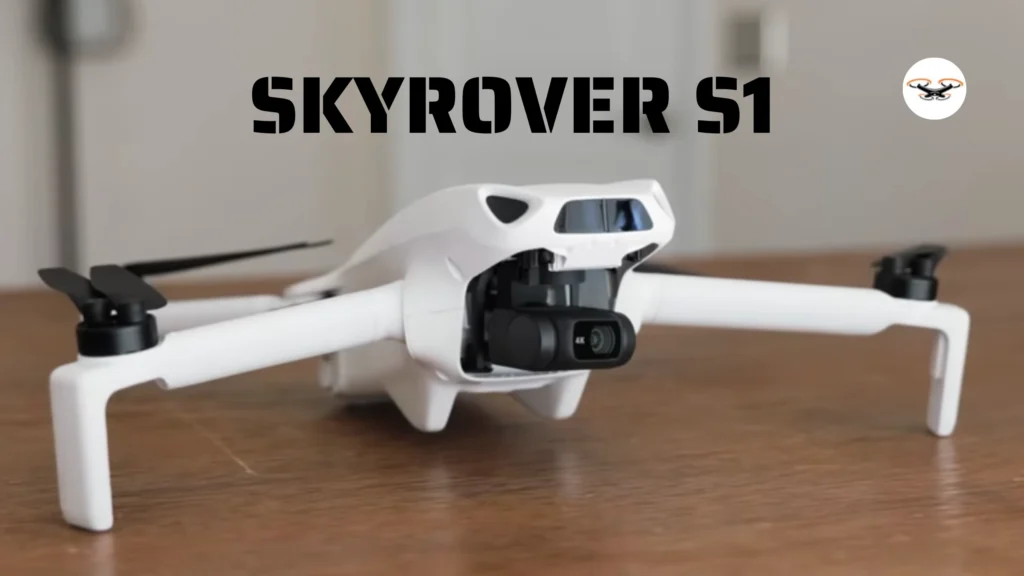
At first glance, the Skyrover S1 and Skyrover X1 look very similar. They’re nearly the same size, both lightweight, and both packed with advanced features. So how do you decide which one is right for you?
There’s also a small twist at the end that might change your decision—so let’s break everything down clearly and simply.
Amazon Deals: DJI MINI 5 PRO & DJI Avata 2
Table of Contents
Size, Weight, and Portability
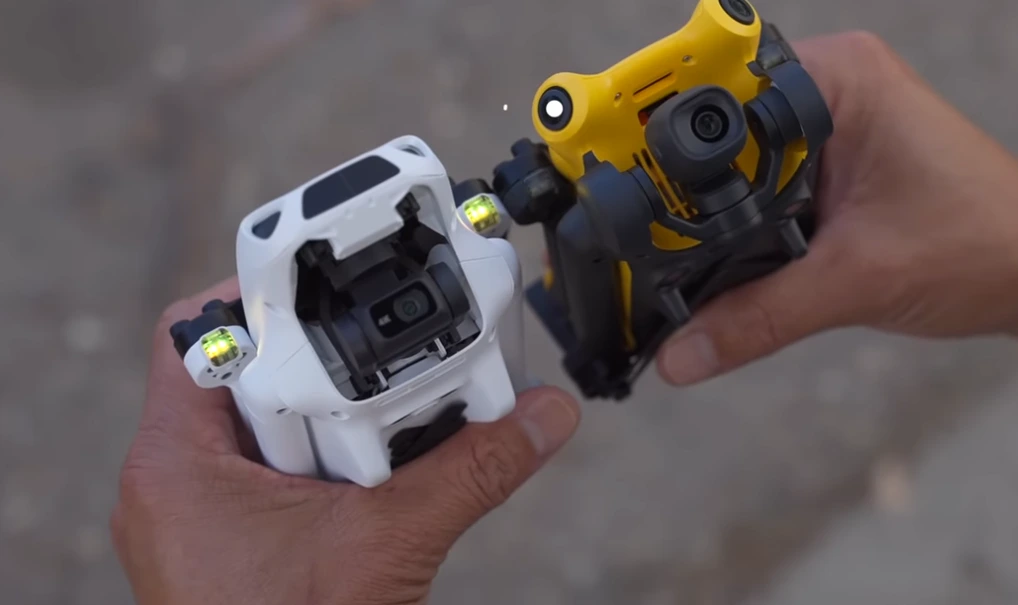
Both the Skyrover S1 and X1 are compact, foldable drones weighing under 250 grams, which makes them ideal for travel and easier to fly in many regions with fewer regulations.
- The X1 is slightly smaller
- Both are extremely portable and easy to carry
This round is essentially a tie.
Camera & Image Quality
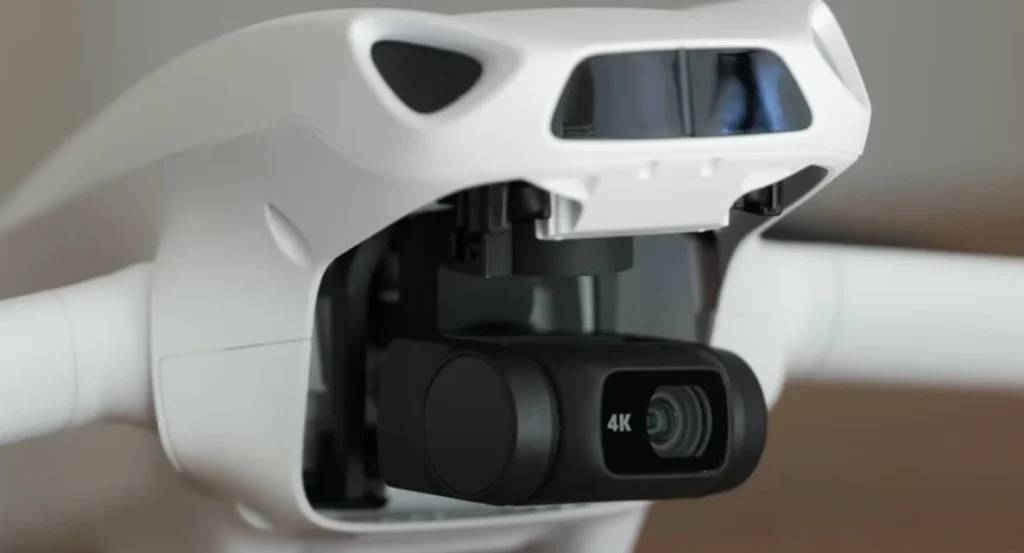
This is where the first major difference appears.
S1
- 48MP 1/2-inch sensor
- f/2.8 aperture
X1
- 48MP 1/1.32-inch sensor
- f/1.7 aperture (lets in more light)
The X1 has a larger sensor and wider aperture, which means:
- Better image quality
- Improved low-light performance
Video & Slow-Motion Capabilities
Both drones can shoot HDR video up to 4K at 60fps, which is more than enough for most creators. However, slow-motion performance separates them further.
S1
- 4K up to 60fps
- 1080p at 120fps
X1
- 4K up to 100fps
- 1080p up to 200fps
If you love cinematic slow motion, the X1 clearly offers more flexibility.
Vertical Video (Short-Form Content)
With short-form content becoming more popular, vertical video is a big deal.
- Skyrover X1 features a rotating camera gimbal, allowing true vertical video at full resolution.
- Skyrover S1 shoots vertical video by cropping the sensor, which reduces quality.
The X1 also allows better zooming in vertical mode without losing detail.
Obstacle Avoidance & Safety
This is one of the most important sections—especially for beginners.
S1
- Forward obstacle avoidance
- Downward sensors for landing and altitude awareness
X1
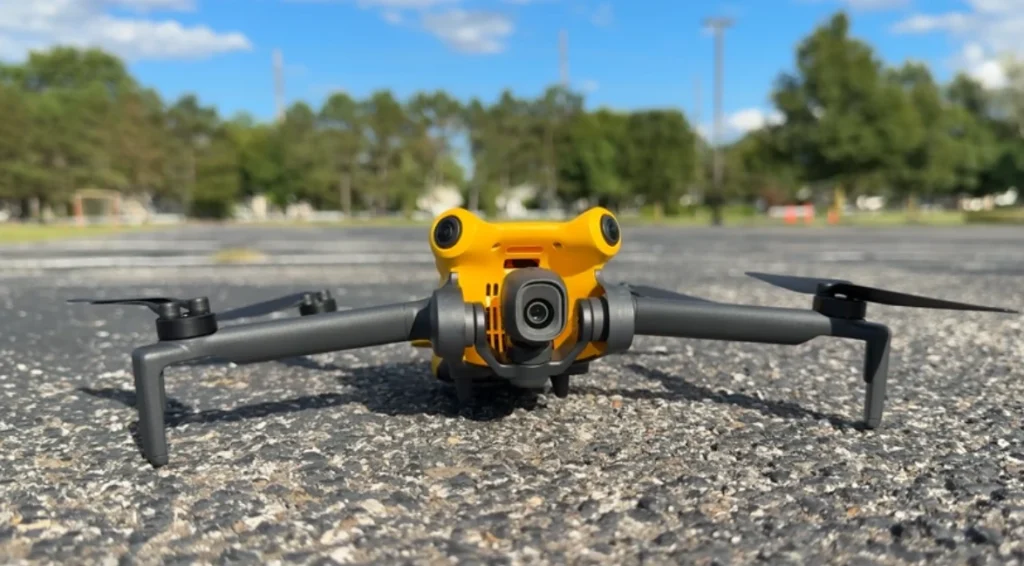
- Omnidirectional obstacle avoidance
- 4 fisheye sensors (front & back)
- 2 downward sensors
- On-screen distance display
- Can stop or bypass obstacles automatically
In real-world testing, the X1 consistently avoided trees when flying forward and backward.
Transmission & Range
Both drones use Skyrover’s SkyBridge transmission system with a smooth 1080p 60fps live feed.
- S1: up to 12 km (7.5 miles)
- X1: up to 15 km (9+ miles)
In practice, most users won’t fly anywhere near these limits, so the real-world difference is minimal.
Return to Home (RTH)
Both drones include:
- Automatic Return to Home
- Low-battery failsafe
- Adjustable return height
This is a crucial safety feature, and both handle it well.
Intelligent Flight Modes & Tracking
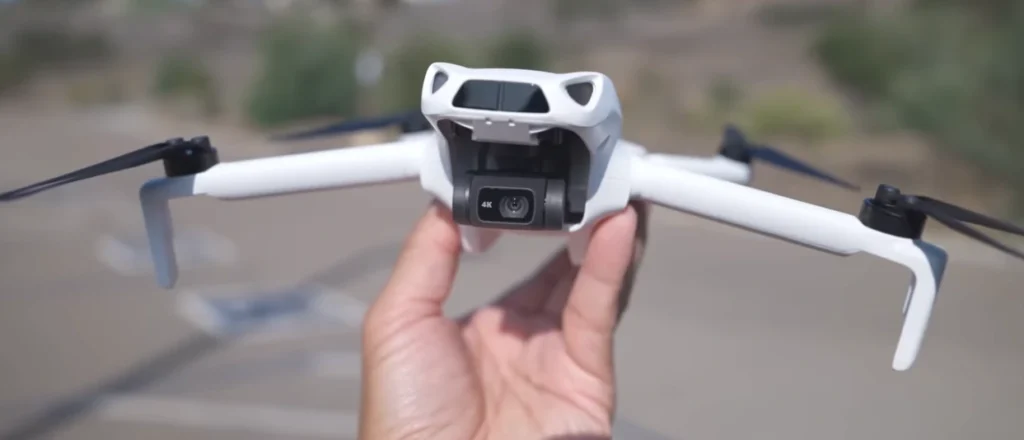
Both drones offer smart flight modes like:
- Orbit
- Rocket
- Reveal shots
- Automated cinematic movements
However, only the X1 includes subject tracking.
X1 Tracking Features:
- Auto-detection or manual selection
- Spotlight mode
- Follow mode
- Orbit while tracking
- Works on moving objects like cars or scooters
With full obstacle avoidance active during tracking, it unlocks shots that are nearly impossible to capture manually.
Battery Life
Battery performance is one area where the S1 fights back.
- S1 battery: up to 40 minutes
- X1 battery: up to 32 minutes
With the Fly More Combo:
- S1: up to 120 minutes total
- X1: up to 96 minutes total
If maximum flight time matters most to you, the S1 has the edge.
Low-Light & Night Mode
The X1 once again pulls ahead:
- Larger sensor
- Wider aperture
- Higher ISO range
- Dedicated Night Mode
This makes the X1 a better choice for evening and low-light shooting.
Price & Value
The Skyrover S1 is more affordable, making it a great option for:
- Budget-conscious buyers
- Casual users
- First-time drone pilots
Final Verdict: Which One Should You Buy?
Choose the Skyrover S1 if:
- You’re on a budget
- You want excellent battery life
- You’re a casual or beginner user
- You still want great image quality in a compact drone
Choose the Skyrover X1 if:
- You’re a creator, vlogger, or content maker
- You want better image quality and low-light performance
- You need vertical video without cropping
- You want tracking, slow motion, and advanced safety features
Even for beginners, if the X1 fits your budget, it’s worth it.
The omnidirectional obstacle avoidance alone makes it safer, easier to learn, and more confidence-inspiring. For advanced pilots, it provides peace of mind when attempting more complex shots.
Read More: SkyRover X1 Review – Incredible Mini Drone