
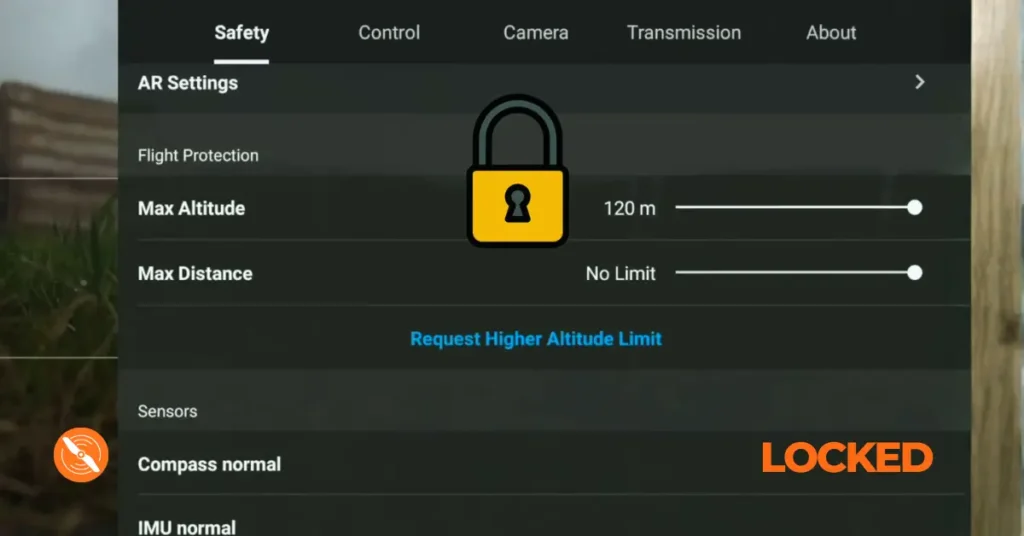
DJI have locked out all C0 mini drones in the UK without any warning through a hidden update. DJI have silently restricted in the software C0 drones like the Mini 5 Pro, the DJI Mini 4 Pro, and even the brand new DJI Neo 2. There is a lot of talk about this, so here is everything you need to know about what has gone on, what this is about, and whether there is any workaround.
What Has Changed in the DJI Fly Restricted Update?
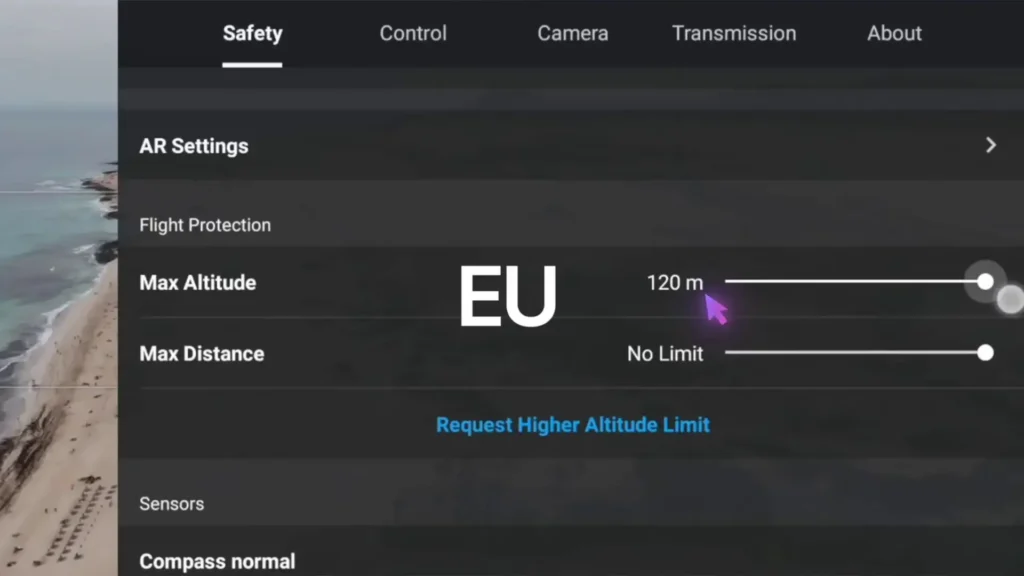
If you have taken any of your mini drones recently to the EU, you will notice that when you are in those countries and flying a drone, the height is locked to 120 m.
But when you come back to the UK, or if you are visiting the UK, we have always had the ability to increase the height of these drones up to 500 m. However, now when you turn your C0 drone on, you will notice that this is locked to 120 m in height, and there is nothing you can do about it.
So What Is the Problem?
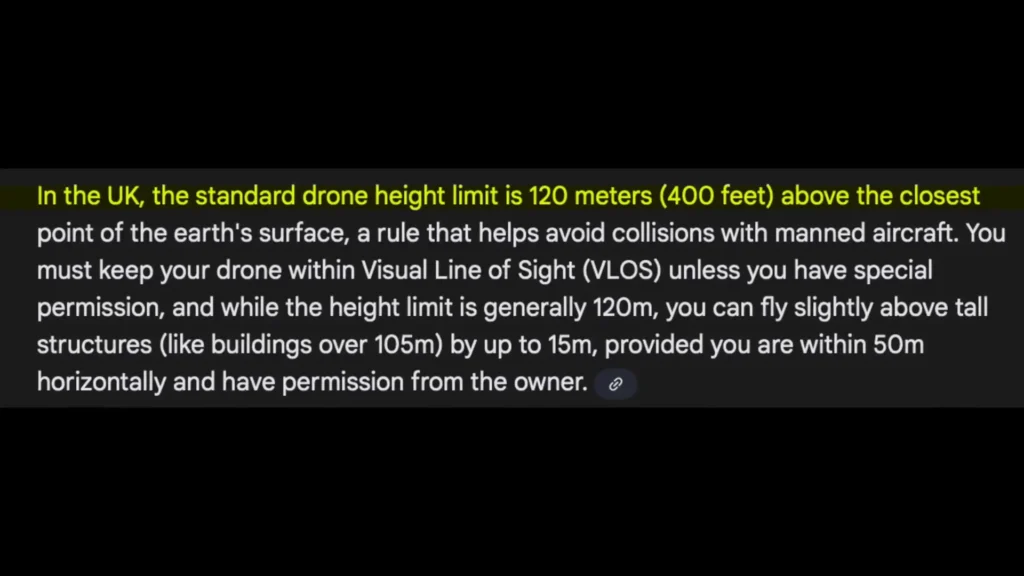
You might be saying, well, what is the problem here? The height limit is 120 m, which is 400 ft, and this is the legal limit in the majority of countries all around the world. A lot of people, when drones first started getting popular, would get their drone and fly it above the clouds and fly in all sorts of stupid places. It is because of these people that we now have more restrictions on our drones.
That said, there are times when you can fly your C0 drones like the Mini 5 Pro legally above 120 m. And now in the UK, that is just not possible. You might be doing a commercial job where you want to use your Mini 5 Pro, but you need to go over 120 m for just a short amount of time to complete the job. So you apply for permission via the CAA, that gets granted.

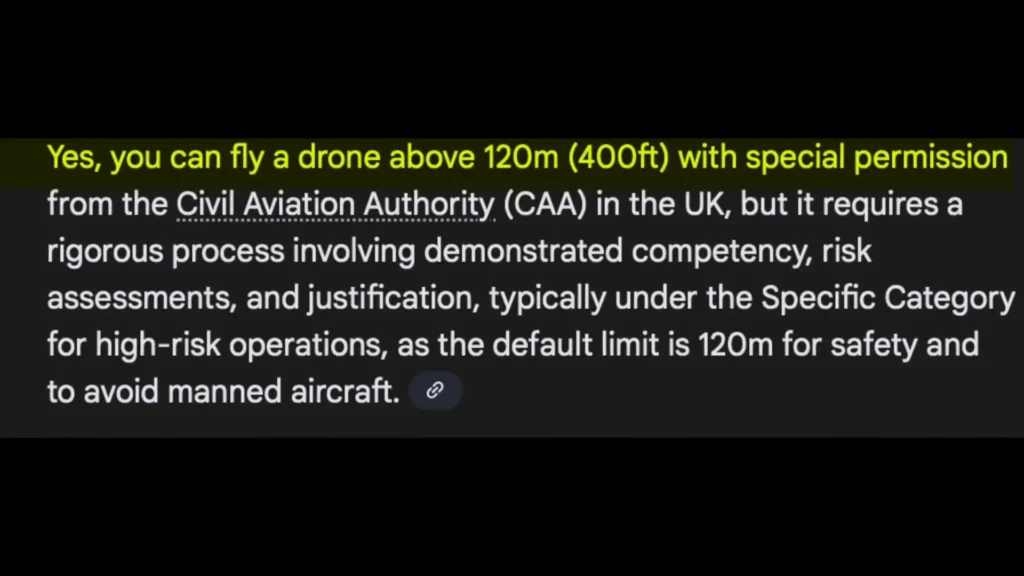
They know the exact time, the height, and the place where you are going to be flying your drone. It is all granted. You get to that location, you contact the ATC tower, they give you the green light, you start your drone, but then in the DJI Fly software, the software says no.
Even though you have all this legal permission, you still cannot fly above 120 m. This means that using a C0 drone in the UK for commercial work, if it needs to go over 120 m, is now absolutely useless.
Read More: DJI Fly Clear Screen
Two Conflicting Laws Creating Confusion
What makes this even more confusing is that we have drone laws for all of these drones in the UK, no matter which drone we have. So we have laws that we have to follow, and now we also have class marking rules. And these rules do not even match together.
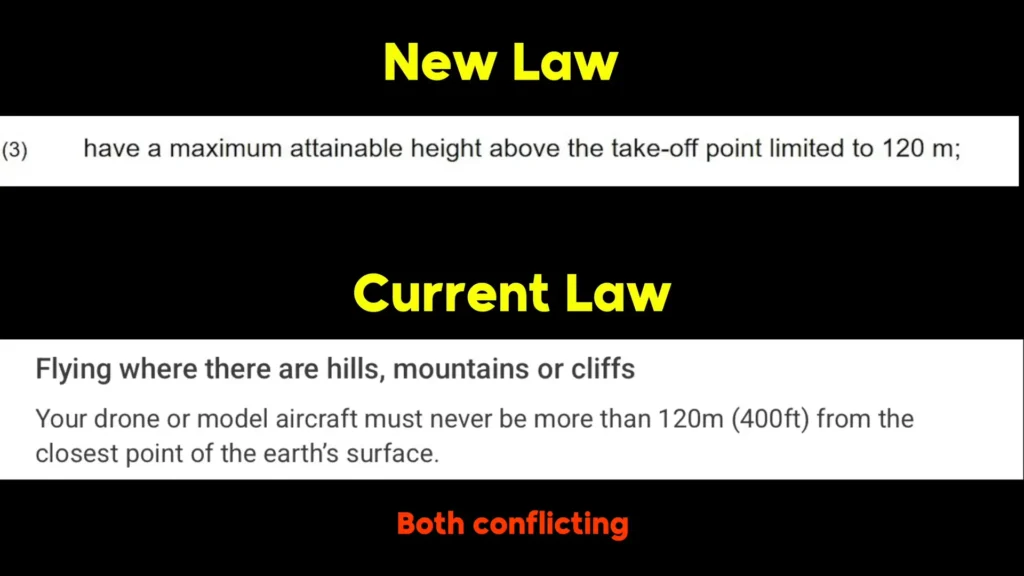
The CAA states your drone or model aircraft must never be more than 120 m from the closest point of the Earth’s surface. So if you are going into hilly or mountainous areas, as long as your drone is within 120 m of that surface or that hill, you can go alongside the ridge or the side of that mountain and within that 120 m limit, you are absolutely fine.
But the CAA are also saying that class markings for UK C0 drones must have a maximum attainable height above the takeoff point limited to 120 m. This completely clashes with their first rule. UK C0 drones are now going to be restricted to 120 m from the takeoff point, even though the law states that it is 120 m from the closest point to the Earth’s surface.

The Impact on Landscape and Mountain Flying
This is a huge issue for anyone who loves flying in places like the Lake District, which is full of hills and mountains. Based on the UK laws, you can actually take your drone and, as long as you are within 120 m of the closest point to the Earth’s surface, you can fly it up the side of mountains and hills, and it looks absolutely fantastic in these locations.
But now, with these new restrictions that have come in through the DJI Fly update, it means that if you were to go to one of your favorite places in the Lakes, you would have to put your hiking boots on every single time and go to the very top of that mountain just to be able to take off.
Because if you are going to hilly environments in the UK such as the Lake District, North Wales, or Scotland, and you take one of these C0 drones, you are going to reach that 400 ft limit so fast that you are not going to be able to get any decent landscape shots whatsoever.
Even though the original law still exists, these two rules do not match, and it completely restricts the ability to take one of your favorite mini drones to the Lake District and get some fantastic shots, all legally.
Is There Any Workaround?
You might be thinking, what if you take your drone off, fly up to 120 m, and you are right beside a mountain so you are very close to the surface, and then you just reset your home point? Unfortunately, that is not going to adjust the height restriction whatsoever. It is simply not going to work.
The only thing you are going to be able to do is actually land your drone on the side of that hill or mountain, and then it will reset the height. However, if you have been to these locations, you know that is pretty much impossible to do safely. You run the risk of the propellers getting jammed in some grass or mud, or flipping the drone over altogether.
It is also worth knowing that this is not just a firmware issue. Some people are saying to simply not update your firmware and everything will be fine. Unfortunately, that is not the case at all. It is based on where the drone currently is. So if you were to get your Mini 5 Pro, get on a plane, and go to Spain, put your drone on the floor and take off, it is going to be locked to 120 m.
Bring it back to the UK and go anywhere in the country, and it is still locked to 120 m. But get back on a plane and go to America, and you now have the ability to go up to 500 m without updating any software whatsoever. It is entirely based on your drone’s current location. This was tested on both old firmware and the most recent firmware, and it makes no difference whatsoever.
What About Non-C0 Drones?
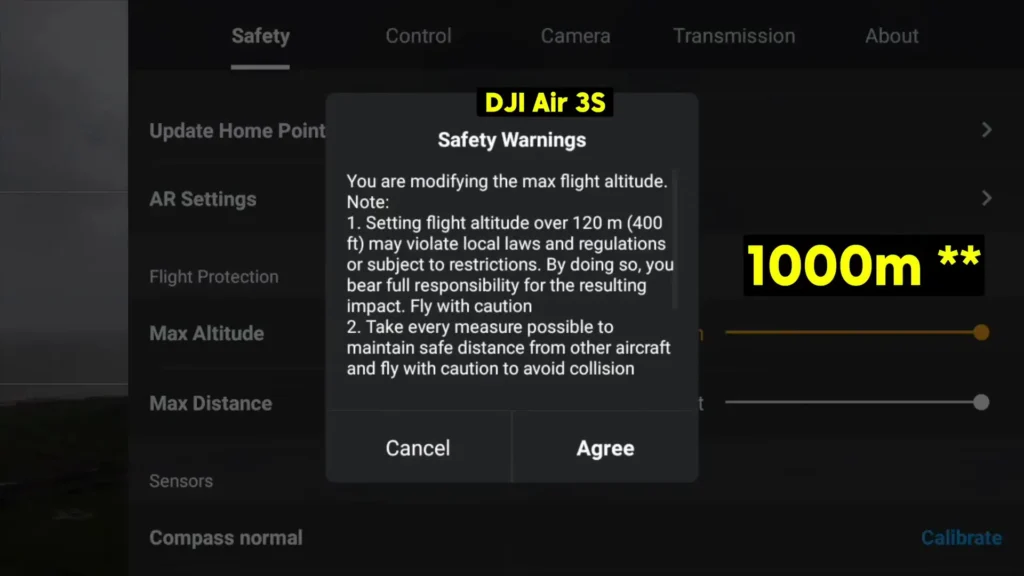
This only affects C0 drones. If you have heavier non-C0 drones like the DJI Air 3S, you can still go into the DJI Fly software in the UK and adjust the height up to 120 m above the legal limit. That is not being suggested here, but you do still have the option.
However, something else that has happened in the UK since these new laws came into effect on January 1st is that the DJI Air 3S has had its top speed crippled. It used to be able to reach 60 mph at top speed, and now in sports mode it is limited to 42 mph.
Some might say that is not a big deal, and granted, 42 mph is still fast. However, a lot of people use the DJI Air 3S for commercial work. Say you did a job for a car brand a few months ago and they really liked your content. They come back and ask you to do it again, but now you have to tell them you can only track the car at 42 mph.
That content you got before was only possible because you could go 60 mph. Now you simply cannot do it. For commercial creators, that restriction is genuinely significant.
Read More: DJI Avata 360 First Firmware Update Is Here
The In-App Request Option Does Not Work in the UK
In the DJI Fly software, when you go into settings and look at that height restriction showing 120 m, there is an option that says “Request Limit Increase.” In the EU, you can actually get your phone and scan a barcode, submit your details via your DJI account, and request to change the classification from a C0 drone to a C1 drone, enabling you to fly over 120 m.
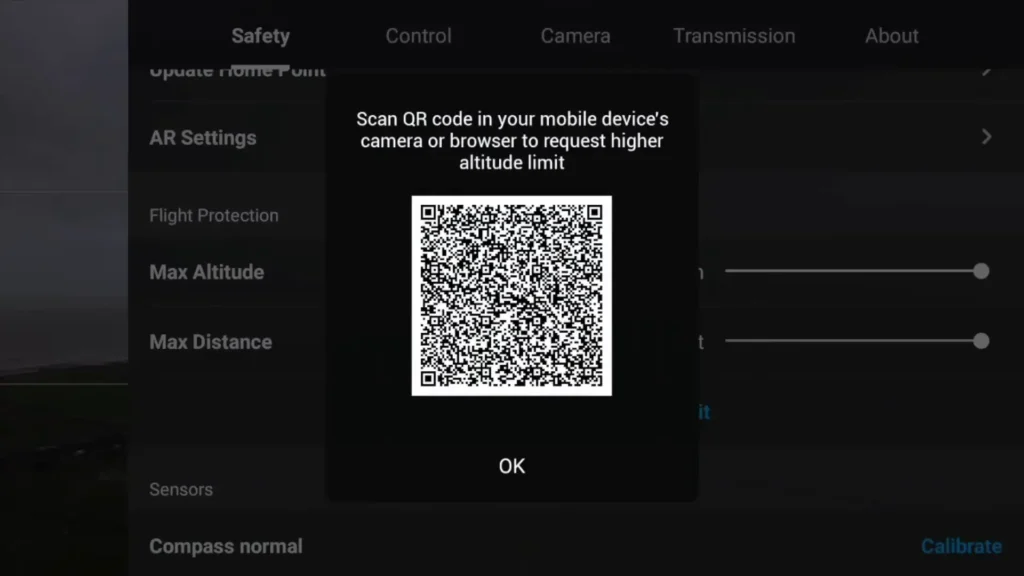
But when you are in the UK and you click on this option, it simply sends you to your DJI account, you log in, and instead of actually requesting to change the classification, you just get a message on screen saying that DJI are no longer allowing you to do this. So that avenue is out of the question as well.
What Are Your Options Right Now?
For now, unfortunately, there is nothing that can be done about this if you are in the UK. There is hope that a workaround will come, especially if the CAA recognizes that there are now two conflicting laws in place.
Until then, if you are heading to locations like the Lake District, you are better off taking something like the DJI Air 3S. It is already a great drone with a dual lens setup, and in the UK you still have the ability to go over 120 m with fewer restrictions overall.
If you want a small drone under 250 g, the Anti-Gravity A1 drone is worth considering. It is a 360 drone that is a lot of fun to fly, and it still allows you to go over 120 m in the UK. So there are alternatives available, even if the situation for C0 mini drones is frustrating right now.
Table of Contents
Final Thoughts
What a mess this situation is. The DJI Fly restricted update has created real problems for hobbyists and commercial operators alike, particularly those flying in hilly or mountainous areas of the UK. The fact that there are now two conflicting CAA laws, combined with a silent software restriction that even bypasses legally granted permissions, makes this a very difficult situation for UK drone pilots to navigate.
As soon as any fix, workaround, or official clarification comes through, it will be important to share it. For now, hopefully this has cleared up the confusion that has been going around about this topic.
Read More: GEPRC Cinebot 35 Review