
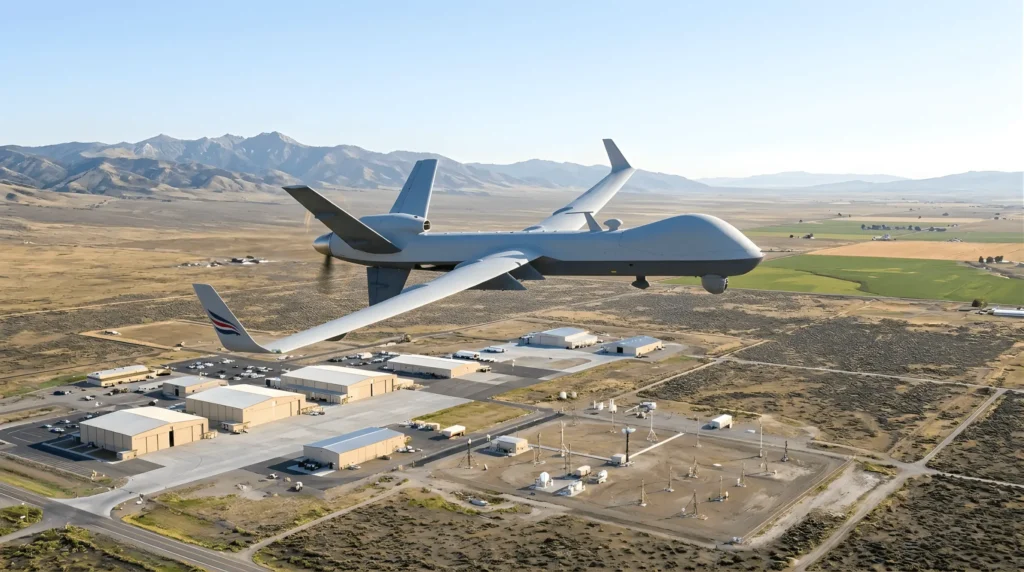
The Federal Communications Commission has launched a formal public comment proceeding aimed at strengthening the U.S. drone industry, in direct support of President Trump’s national strategy to achieve American dominance in unmanned aircraft systems (UAS).
FCC Chairman Brendan Carr, who visited an Anduril Industries test site in Texas on Tuesday to observe cutting-edge drone and counter-drone technology demonstrations, announced the move alongside the release of a public notice from the agency’s Wireless Telecommunications Bureau and Office of Engineering and Technology.
“President Trump has been clear that the Administration will act to secure our airspace and unleash American drone dominance,” Carr said. “At the FCC, we are doing our part to promote U.S. drone leadership by cutting red tape, modernizing obsolete regulations, and securing a domestic drone supply chain.”
Background and Executive Orders
The proceeding addresses two executive orders signed by President Trump in June 2025: Unleashing American Drone Dominance and Restoring American Airspace Sovereignty. These orders told federal agencies, including the FCC, to focus on making drones in the country, deal with problems related to spectrum access, and reduce reliance on systems made overseas.
Key Areas Under Review
The public notice seeks input on several areas, including reducing unnecessary regulatory burdens such as equipment certification and siting requirements, expanding spectrum access for drone testing and operations, modernizing experimental licensing rules, and creating new drone innovation zones and testbeds.
On spectrum, the FCC noted that most drones currently rely on unlicensed bands such as 2.4 GHz and 5.8 GHz, which are vulnerable to interference. The agency is evaluating whether additional licensed spectrum, including the 5030-5091 MHz band, could improve reliability for operators.
Regarding experimental licensing, the FCC acknowledged that current processes can be slow and geographically limited, which may hinder testing of advanced systems, particularly those operating beyond visual line of sight (BVLOS). Proposed reforms include a dedicated UAS license category, broader geographic testing permissions, and faster approval timelines.
The FCC is also considering expanding its innovation zone program, modeled on existing testbeds such as the AERPAW platform at North Carolina State University, potentially into less populated areas and in partnership with private or defense-focused companies.
National Security and the Covered List
The proceeding builds on prior FCC action. In December 2025, following a national security determination, the FCC added foreign-produced UAS and critical components to its Covered List, prohibiting them from receiving authorization for import, sale, or marketing in the United States. Devices already authorized may continue to be used. The FCC has since updated the list to allow certain exemptions for systems meeting specific security criteria.
Since January 2025, the FCC has granted 227 UAS experimental approvals and, for the first time, 8 Counter-UAS experimental approvals. Overall UAS experimental license approvals have increased 68% compared to the previous four years.
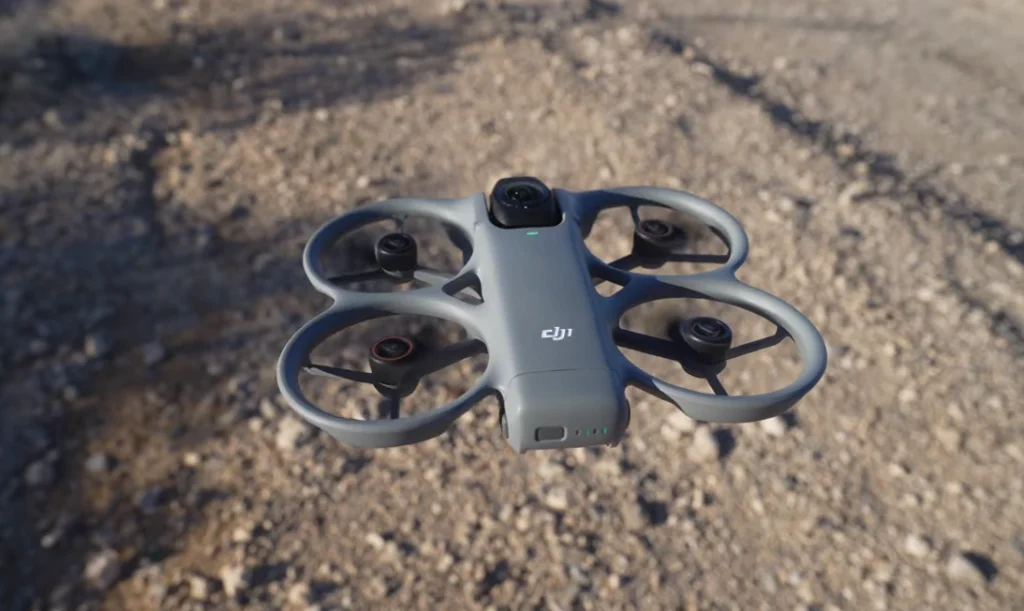
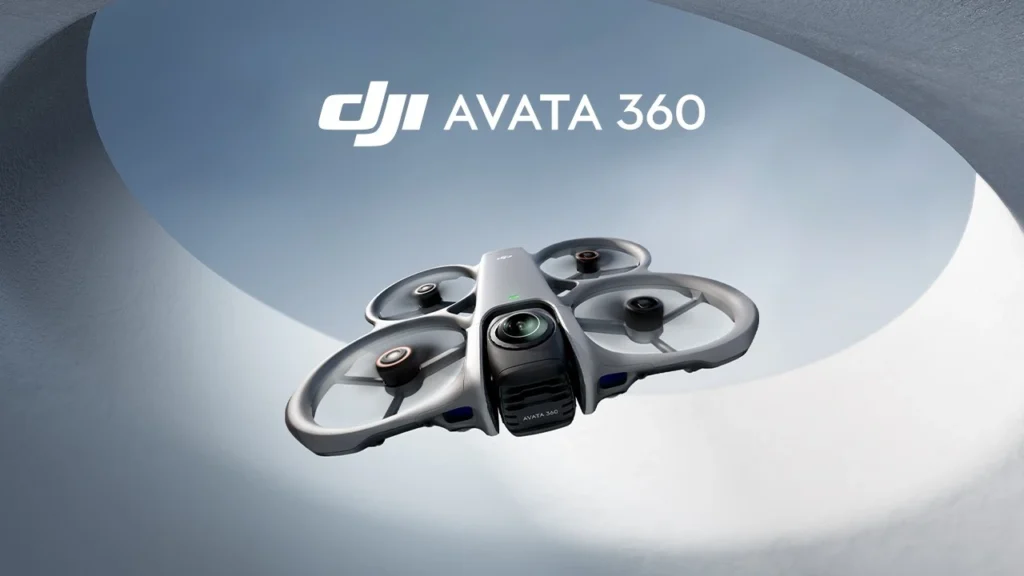
Chinese drone manufacturer DJI, which was added to the Covered List, sued the FCC in February 2026 alleging violations of its Fifth Amendment due process rights and a breach of statutory authority.
Coordination and Next Steps
The FCC also emphasized the need for coordination with other agencies, including the FAA and the National Telecommunications and Information Administration (NTIA), to align spectrum policy with aviation safety and support advanced air mobility integration.
Public comments are due by May 1, 2026, with reply comments accepted through May 18, 2026.
Read More: DJI Neo 2 vs Potensic Atom 2 – Which Drone Should You Buy?