
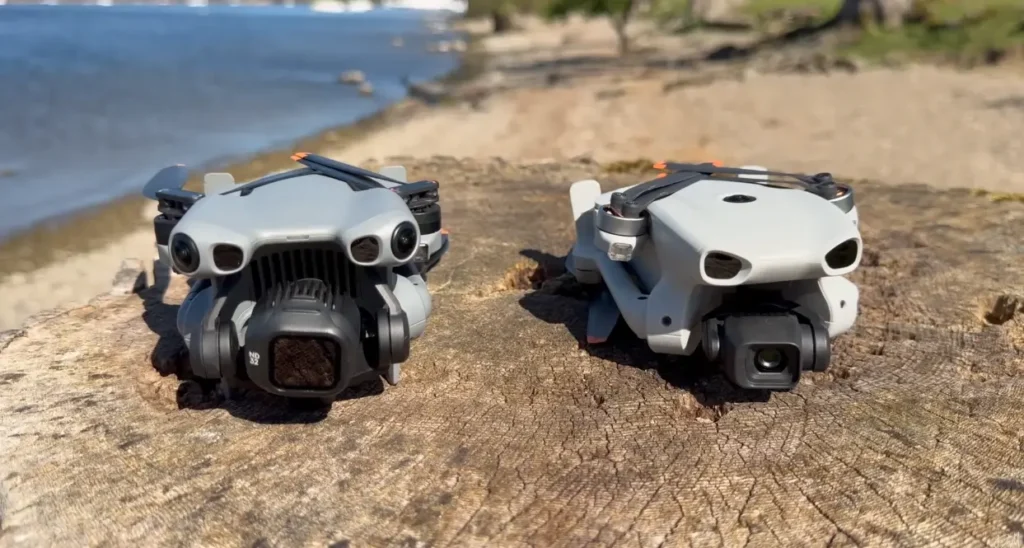
The drone market has just experienced a significant shake-up, and the results might surprise you. When comparing DJI’s flagship mini drone, the Mini 5 Pro, against the newly released Lito X1, the value offering becomes incredibly compelling for budget-aware pilots.
In this comprehensive comparison, we’ll explore whether spending extra on premium features truly justifies the price difference.
The Price Gap That Changes Everything
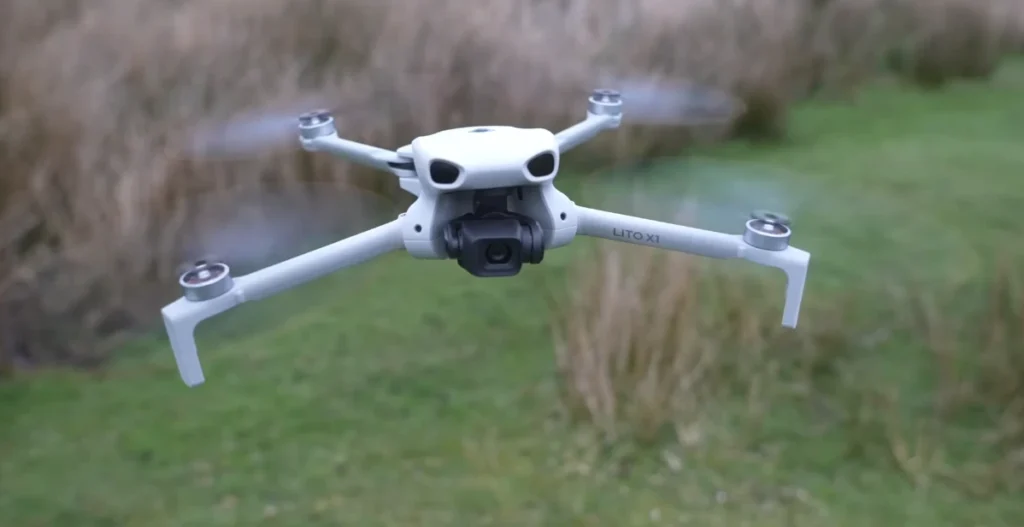
The Lito X1 starts at ~$379, while the DJI Mini 5 Pro begins at ~$759. That’s a substantial $420 difference-nearly half the price. This price gap alone makes the X1 worthy of serious consideration, but the real question is whether you’re sacrificing quality for savings.
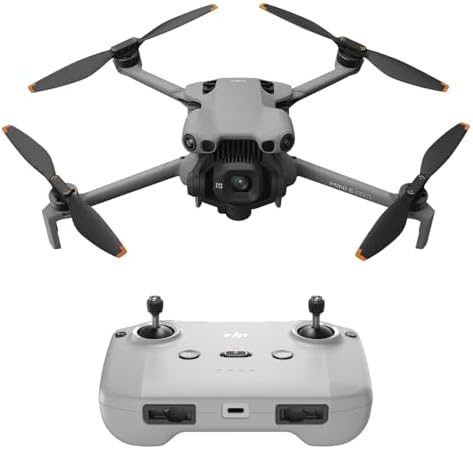
When explore combo packages (which include additional batteries, charging hubs, carrying bags, and extra propellers), the Mini 5 Pro with the RC2 controller costs approximately $369 more than the comparable X1 package. For many drone enthusiasts, that price difference represents the cost of another drone or significant investment in accessories.
What’s Identical: More Than You’d Expect
Before diving into differences, it’s crucial to understand just how similar these drones actually are. The feature overlap is remarkable and challenges assumptions about budget versus premium models.
Safety and Navigation Features
Both drones include comprehensive obstacle avoidance sensors that detect objects and either brake or navigate around them automatically. This feature alone provides peace of mind for pilots of all skill levels, preventing costly crashes and damage.
Additionally, both models feature front-facing LiDAR sensors-a premium technology that ensures obstacle detection even in low-light or nighttime conditions. When traditional optical sensors struggle in darkness, LiDAR continues working, maintaining your drone’s safety regardless of lighting conditions.
Intelligent Flight Capabilities
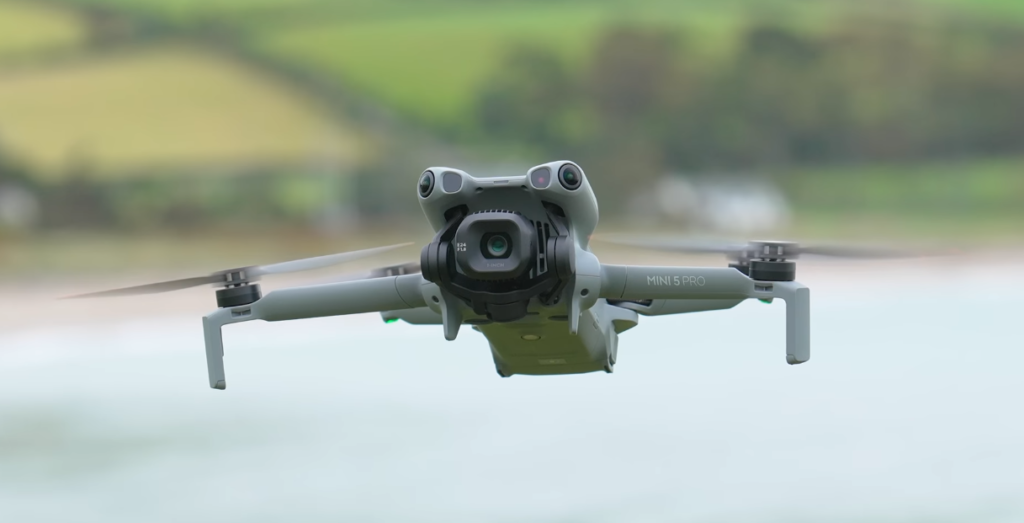
Active Track 360 comes standard on both drones, offering identical tracking performance. Whether you’re mountain biking, running along a beach, or boating across a lake, both drones can follow you intelligently. You can position the drone at any point on a virtual clock face around you-front, rear, left, right, or any offset angle. The spotlight mode also allows you to manually control flight while the drone handles camera panning automatically.
Weight and Portability Advantages
Both drones weigh under 250 grams, placing them in the regulatory sweet spot for most countries. This sub-250g classification means fewer restrictions, simplified registration processes, and in many jurisdictions, no requirement for pilot certification exams. The palm-sized, foldable design makes both drones incredibly portable-you’ll find yourself bringing them along more often simply because they’re so convenient to carry.
Video Recording Capabilities
Here’s where things get particularly interesting. Both drones record in:
- 4K 60fps HDR video
- 10-bit color depth for enhanced post-production flexibility
- D-Log M color profile for professional color grading
- Normal color profile for ready-to-share footage
The slow-motion capabilities are nearly identical too, with 4K 100fps on the X1 and 4K 120fps on the Mini 5 Pro, a difference most users would struggle to notice in practice.
Battery life matches across both models at 36 minutes maximum flight time, translating to approximately 25-30 minutes of real-world usage. Both also include creative features like QuickShots, MasterShots, timed photos, and panorama modes.
Read More: DJI Lito X1 vs Lito 1 review
Where the Mini 5 Pro Pulls Ahead
Camera Hardware Specifications
The features a larger 1-inch sensor compared to the X1’s 1/1.3-inch sensor. In photography, sensor size directly impacts dynamic range, image quality, and low-light performance. The Mini 5 Pro captures 50-megapixel images versus the X1’s 48 megapixels.
The Mini 5 Pro also includes a 2x lossless zoom (48mm equivalent), while the X1 relies on digital zoom. Both achieve similar zoom levels, but the Mini 5 Pro maintains image quality better during zooming.
The Mini 5 Pro can also shoot in HLG (Hybrid Log-Gamma) format, which the X1 doesn’t support, a feature appreciated by professionals working in specific HDR workflows.
The Rotating Gimbal Feature
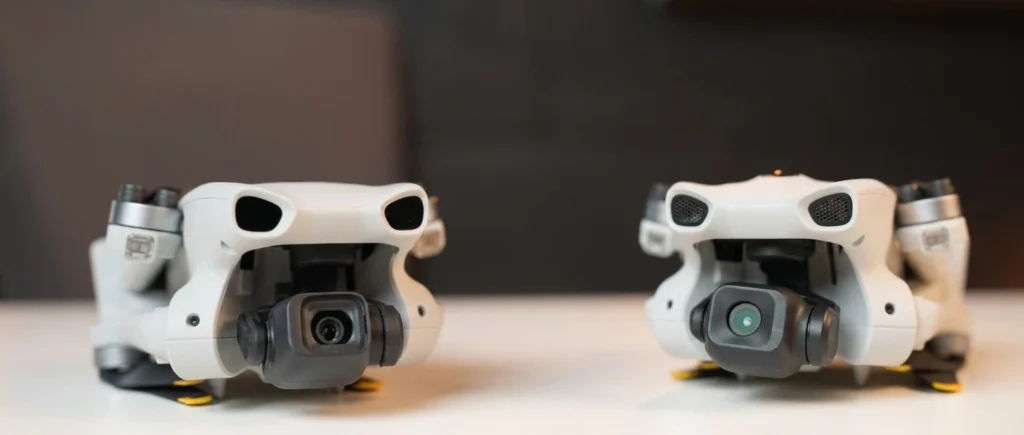
The Mini 5 Pro’s rotating gimbal enables true 4K 60fps vertical video and vertical photography without cropping. The X1 captures vertical video at 2.7K resolution through cropping.
For content creators focused on Instagram Reels, TikTok, or other vertical-format platforms where maximum quality matters for monetization, the Mini 5 Pro’s vertical capabilities provide a genuine advantage.
However-and this is worth considering-many Mini 5 Pro owners report using the rotating gimbal feature infrequently after the initial novelty wears off. If you’re primarily shooting horizontal content or don’t monetize vertical videos, this feature may not justify the price premium.
The Blind Camera Test Results
When viewing side-by-side footage without knowing which drone captured which shot, the differences become surprisingly difficult to detect. The X1’s smaller sensor performs remarkably well, producing footage that matches the Mini 5 Pro’s quality in most practical scenarios.
Even when drone labels were revealed during comparison, the X1 consistently delivered impressive results. For the average viewer-and even for many professionals the quality difference doesn’t justify the significant price gap.
Transmission and Controller Options
The Mini 5 Pro features OcuSync 4 Plus transmission with 30km range and compatibility with the premium DJI RC Pro 2 controller. The X1 uses OcuSync 4 with 15km range, compatible with the N3 controller (phone-mount style) or the RC2 controller (built-in screen).
While the Mini 5 Pro’s transmission specs are superior on paper, both drones deliver best-in-class connectivity for realistic flying distances. You’re highly unlikely to fly either drone anywhere near their maximum ranges, making this difference largely academic for most users.
The RC2 controller, compatible with the X1, offers an excellent user experience with its built-in screen, lightweight design, and external antennas. The RC Pro 2, while premium, costs more than both drones combined-making it difficult to justify for most pilots.
Additional Shared Features
Both drones include dynamic home point updating-a feature surprisingly absent from some higher-end DJI models like the Air 3S. This allows the drone to continuously update its return-to-home location based on your controller’s GPS position, perfect for tracking scenarios in boats, vehicles, or any situation where your launch point changes.
Both drones also feature automatic power on/off functionality. Unfold the back-right propeller to boot the drone automatically, and fold the propellers back to power down—small conveniences that improve the flying experience.
The X1 actually operates slightly quieter than the Mini 5 Pro, though both are relatively discreet compared to larger drones.
LITO X1 vs DJI Mini 5 Pro Specifications
| Feature | LITO X1 | DJI Mini 5 Pro |
| Starting Price | ~$379 | ~$759 |
| Weight | Under 250g | Under 250g |
| Camera Sensor | 1/1.3-inch sensor | 1-inch sensor |
| Photo Resolution | 48MP | 50MP |
| Video Resolution | 4K 60fps HDR | 4K 60fps HDR |
| Slow Motion | 4K 100fps | 4K 120fps |
| Color Profiles | D-Log M, Normal | D-Log M, Normal, HLG |
| Vertical Video | 2.7K cropped | True 4K vertical |
| Flight Time | Up to ~36 mins | Up to ~36 mins |
| Max Transmission Range | 15km | 30km |
| Controller Options | N3 / RC2 | RC2 / RC Pro 2 |
The Value Proposition: Who Should Buy What?
Choose the Lito X1 if:
- You’re a beginner or intermediate pilot
- You primarily shoot horizontal content
- You want excellent quality without premium pricing
- You plan to invest savings into a larger secondary drone
- You create content for personal use or non-monetized platforms
Choose the DJI Mini 5 Pro if:
- You monetize vertical video content on social platforms
- You need the absolute best image quality in all conditions
- You frequently shoot in challenging low-light situations
- You want the rotating gimbal for creative flexibility
- Budget isn’t a primary constraint
The Final Verdict
The Lito X1 represents extraordinary value. It delivers approximately 90% of the Mini 5 Pro’s performance at roughly half the price. For most pilots-especially beginners and enthusiasts-the X1 provides everything needed to capture stunning aerial footage without the premium price tag.
The DJI Mini 5 Pro remains the best mini drone available in terms of absolute performance and features. However, the X1’s arrival makes it increasingly difficult to recommend the Mini 5 Pro unless you specifically need its unique advantages.
Perhaps the smartest strategy? Purchase the Lito X1 at $379 and invest the ~$300-$350 savings toward a larger, more capable drone like the DJI Air 3S. This approach gives you both a portable mini drone and a premium full-featured model for less than the cost of just the Mini 5 Pro combo.
The budget drone landscape has fundamentally shifted. The Lito X1 proves that exceptional aerial photography no longer requires premium pricing-a game-changer for drone enthusiasts worldwide.
Read More: Drone Companion App Review