
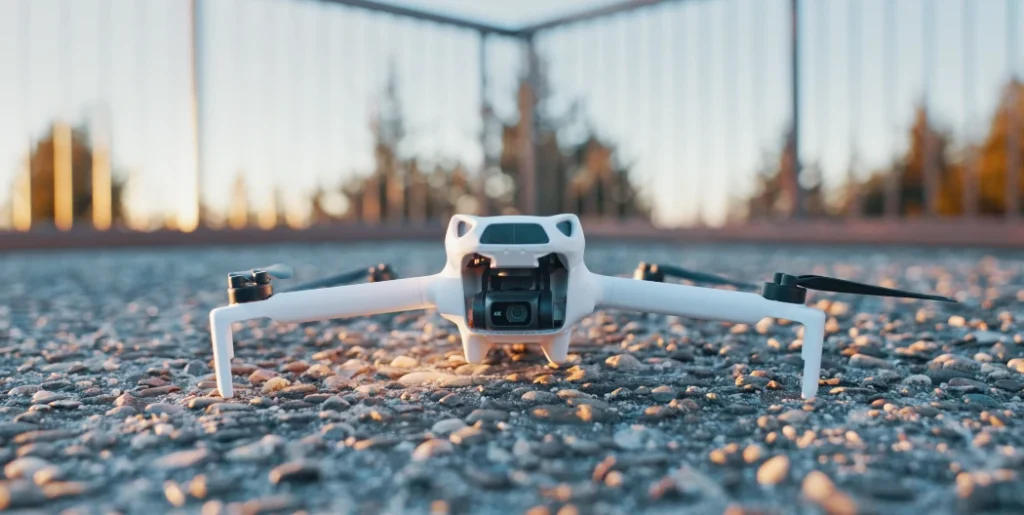
For years, the DJI Mini 3 has stood largely unchallenged as the go-to recommendation for anyone entering the drone market for the first time. Reliable, capable, and backed by one of the most trusted names in consumer technology, it has set the standard for what a beginner drone should deliver. But in 2026, that position is being seriously contested for the first time.
The Sky Rover S1 is a new entry from a brand most drone enthusiasts have not heard of yet, and after putting both drones head-to-head for several weeks across real-world flying conditions, the results are more competitive than most people would expect. This is a complete breakdown of everything you need to know before deciding which drone deserves your money.
The 250 Gram Advantage
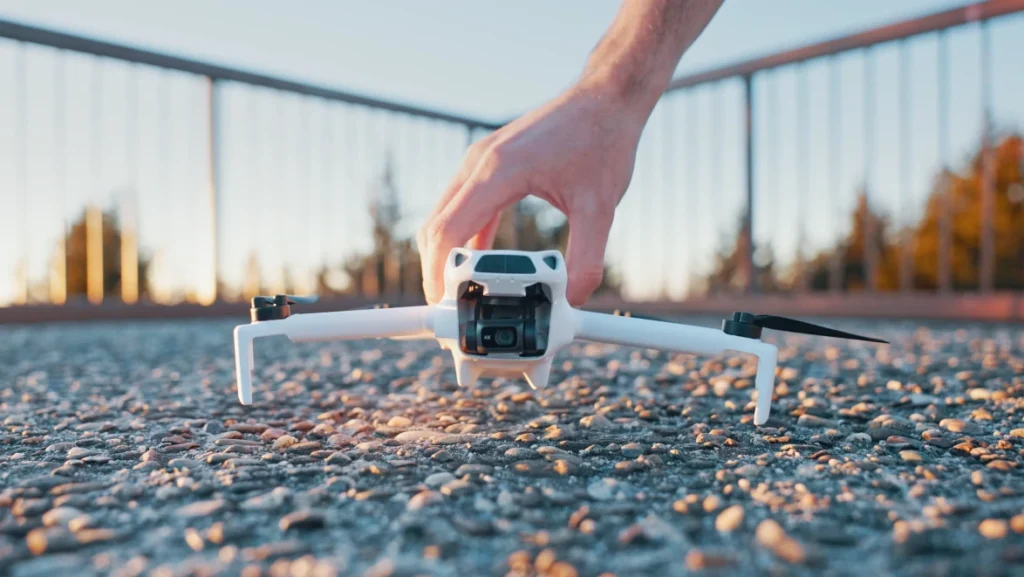
Before getting into the specifics, both drones share one important characteristic that makes them uniquely practical for recreational flyers in the United States and many other regions.
Both the Sky Rover S1 and the DJI Mini 3 come in under the 250-gram weight threshold that triggers FAA registration requirements in the US. For beginners who simply want to fly without navigating the registration process, this is a meaningful practical advantage that both drones share equally. Always verify local regulations before flying, as rules vary by region.
Design and Size
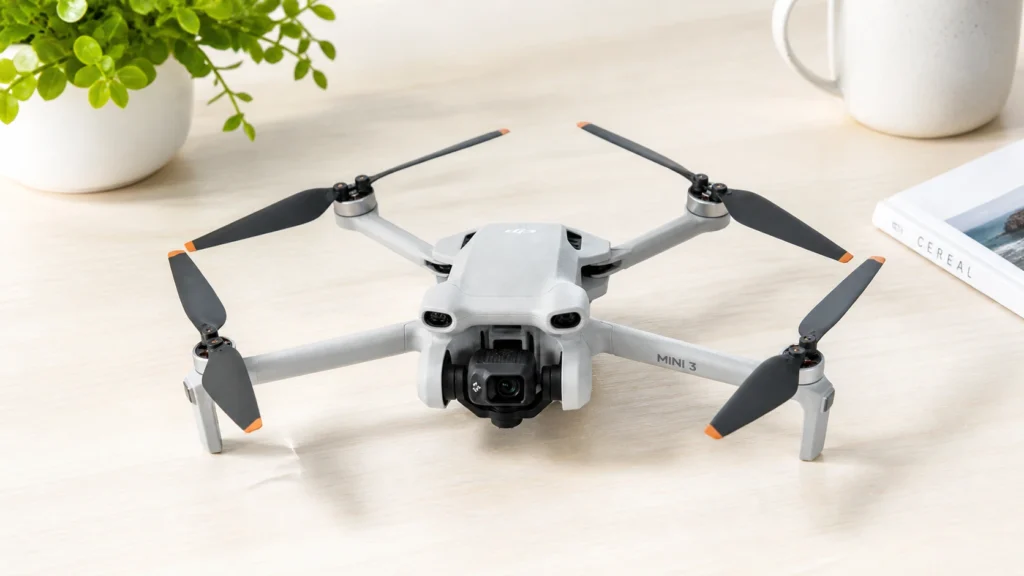
When folded for transport, the Sky Rover S1 is slightly taller than the Mini 3, with its nose protruding a little higher. This is not a design flaw. It is a direct result of the S1 housing front-facing obstacle avoidance sensors in its nose, which is one of the most significant hardware differences between these two drones.

Safety Features and Obstacle Avoidance
This is one of the clearest advantages the Sky Rover S1 holds over the DJI Mini 3.
The S1 includes obstacle avoidance sensors on both the front and the bottom of the drone. The DJI Mini 3, by comparison, only has sensors on the bottom. There are no front-facing obstacle avoidance sensors on the Mini 3 at all.
For a beginner pilot navigating trees, buildings, or other obstacles in the flight path, front obstacle avoidance is a genuine safety net that can prevent costly crashes. The S1 wins this category clearly and it is a meaningful differentiator for first-time drone owners.
Camera and Image Quality
Sensor Size
The DJI Mini 3 carries a larger 1/1.3 inch sensor compared to the 1/2 inch sensor on the Sky Rover S1. On paper, the larger sensor should deliver a clear advantage in dynamic range and low-light performance.
In practice, the gap is narrower than the specs suggest. Side-by-side footage comparisons reveal that the S1 produces dynamic range that competes surprisingly well with the Mini 3. Modern camera software and processing algorithms have advanced to the point where a smaller sensor can be largely compensated for at the software level. In direct comparisons, there are shots where the Mini 3 looks better, and shots where the S1 holds its own or even edges ahead.
Video Resolution and Frame Rate
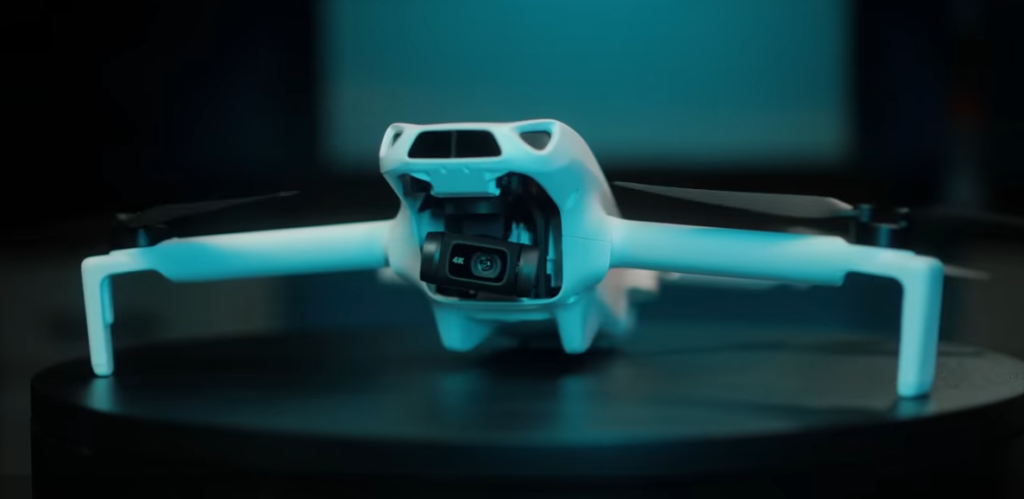
This is where the S1 delivers one of its most surprising advantages. The Sky Rover S1 shoots 4K at up to 60 frames per second. The DJI Mini 3 is limited to 4K at 30 frames per second. For creators who want the option to shoot slow-motion footage at full 4K resolution, the S1 offers a capability the Mini 3 simply cannot match.
Both drones feature a three-axis gimbal and an f/1.7 aperture, placing them on equal footing for stabilisation and low-light sensitivity.
Vertical Video
Both drones offer vertical video shooting, but they handle it very differently.
The DJI Mini 3 achieves this through a rotating gimbal that physically turns the camera 90 degrees, delivering true 4K vertical footage. This is the superior implementation for social media content creation on platforms like Instagram Reels and TikTok.
The Sky Rover S1 handles vertical video entirely in software. The app simply crops the sides of the frame to simulate a vertical composition, resulting in a 2.7K resolution output rather than full 4K. For creators who regularly post vertical content and care about maximum quality, the Mini 3 holds the advantage here.

Transmission and Connection Reliability
Transmission reliability is the single most important specification when evaluating any drone. A dropped connection at altitude is not just frustrating, it is a safety concern.
The DJI Mini 3 uses OcuSync 2.0 transmission technology. The Sky Rover S1 uses a system called Skybridge. Both were tested extensively across real-world flying conditions, and the result is that both drones deliver a rock-solid, reliable connection within line of sight. Neither drone showed meaningful connection instability during testing, which is a significant vote of confidence for the Sky Rover brand given how new they are to the market.
Read More: DJI Mini 4K vs DJI Mini 3: Which Beginner Drone Is Worth Buying
App Experience
One of the more surprising findings from testing the S1 is how immediately familiar the Sky Rover app feels to anyone who has used DJI products before. The interface, layout, mode switching, and overall navigation of the app are essentially identical to DJI’s software. The difference is barely noticeable beyond a change in font.
For beginner pilots coming from a DJI background, or for anyone who has watched DJI tutorial content online, the learning curve on the S1 app is virtually nonexistent. This is a smart move from Sky Rover and removes one of the typical friction points of switching to a new brand.
Remote Control Options
Sky Rover S1
The S1 ships with a standard remote control that requires a smartphone to be inserted at the top in order to display the camera feed and access settings. This is standard at this price point and works well in practice.
DJI Mini 3
The Mini 3 also ships with a standard remote control in its base configuration, which similarly requires a phone connection. However, DJI offers an upgrade option in the form of the DJI RC remote control, which features a built-in screen and eliminates the smartphone dependency entirely.
Upgrading to the DJI RC bundle pushes the Mini 3 into the $500-plus price range, which significantly widens the gap between the two drones in terms of total cost. For pilots who value the clean, phone-free flying experience that a built-in screen provides, this is a worthwhile consideration, but it comes at a meaningful price premium.
Read More: DJI Lito X1 vs Lito 1 review
Intelligent Flight Modes and Tracking
Both drones include Quick Shots, the automated flight modes that execute pre-programmed cinematic movements at the tap of a button. Dronie, Rocket, Circle, Helix, and similar movements are available on both platforms, giving beginner pilots access to dynamic footage without requiring advanced flying skill.
Where the drones diverge is in active tracking capability.
The DJI Mini 3 does not include any subject tracking features. If the ability to have the drone follow a moving subject is important to your use case, the Mini 3 cannot deliver it.
The Sky Rover S1 includes three distinct tracking modes. Active Track follows a subject from behind automatically. Spotlight locks onto a subject while the pilot retains full control of the drone’s movement. Point of Interest allows the drone to orbit a fixed location autonomously. Tracking is limited to people moving at walking, jogging, or running pace and does not extend to vehicles or fast-moving subjects, but for solo content creators, having any tracking capability at this price point is a significant practical advantage.
Flight Time
| Configuration | Rated Flight Time | Estimated Real-World Time |
| Sky Rover S1 | 40 minutes | 25 to 28 minutes |
| DJI Mini 3 (Standard Battery) | 38 minutes | 24 to 26 minutes |
| DJI Mini 3 (High Capacity Battery) | 51 minutes | 32 to 35 minutes |
The S1 holds a slight edge in rated flight time at the standard battery level. The Mini 3 regains the advantage significantly when paired with its optional high-capacity battery, which pushes rated flight time to 51 minutes. Real-world flight time is consistently around two-thirds of the rated figure under typical flying conditions.
Full Specifications at a Glance
| Specification | Sky Rover S1 | DJI Mini 3 |
| Price | ~$269 | ~$400 to $500+ |
| Weight | Under 250g | Under 250g |
| Camera Sensor | 1/2 inch | 1/1.3 inch |
| Aperture | f/1.7 | f/1.7 |
| Max Video Resolution | 4K 60fps | 4K 30fps |
| Slow Motion | 4K 60fps | 2.7K 60fps |
| Vertical Video | 2.7K (Cropped) | True 4K (Rotating Gimbal) |
| Gimbal | 3-Axis | 3-Axis + Rotating |
| Photo Quality | High | Higher |
| Front Obstacle Avoidance | Yes | No |
| Bottom Sensors | Yes | Yes |
| Transmission System | Skybridge | OcuSync 2.0 |
| Quick Shots | Yes | Yes |
| Active Tracking | Yes | No |
| Spotlight Mode | Yes | No |
| Rated Flight Time | 40 minutes | 38 to 51 minutes |
Who Should Buy Which Drone
Choose the Sky Rover S1 if you are buying your first drone and want the best possible value for money. The combination of front obstacle avoidance, 4K 60fps video, active tracking, and a starting price under $270 makes it the most feature-rich option available at this budget level. For solo creators who want tracking functionality without spending $400 or more, the S1 is a genuinely impressive package.
Choose the DJI Mini 3 if vertical video quality is a priority for your content, you want the reliability and ecosystem of an established brand, or you intend to upgrade to the DJI RC with built-in screen for a more professional flying experience. The larger sensor also provides an edge in demanding lighting conditions that serious photographers will notice over time.
Final Thoughts
For a long time, recommending the best budget drone meant recommending DJI without hesitation. The Mini 3 earned that position through consistent performance, a reliable ecosystem, and the kind of brand trust that takes years to build.
The Sky Rover S1 has changed that conversation. For a beginner pilot in 2025, spending $269 on a drone that includes front obstacle avoidance, 4K 60fps video, active tracking, and a familiar app experience is genuinely compelling. The value proposition is hard to argue against, and the real-world performance backs it up.
The DJI Mini 3 remains the better drone in absolute terms, particularly for image quality and vertical video. But for someone entering the space for the first time on a reasonable budget, the Sky Rover S1 now represents the smarter starting point.
The best budget drone crown has a new contender, and it has earned its place at the top of the conversation.
Read More: DJI Avata 360 vs Antigravity A1 comparison – Which 360 Drone Should You Buy?