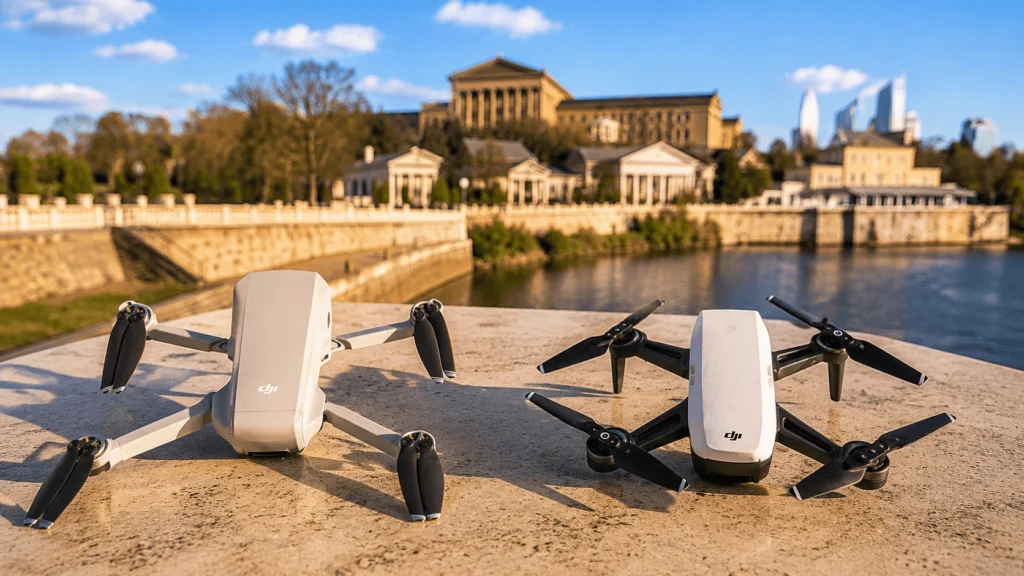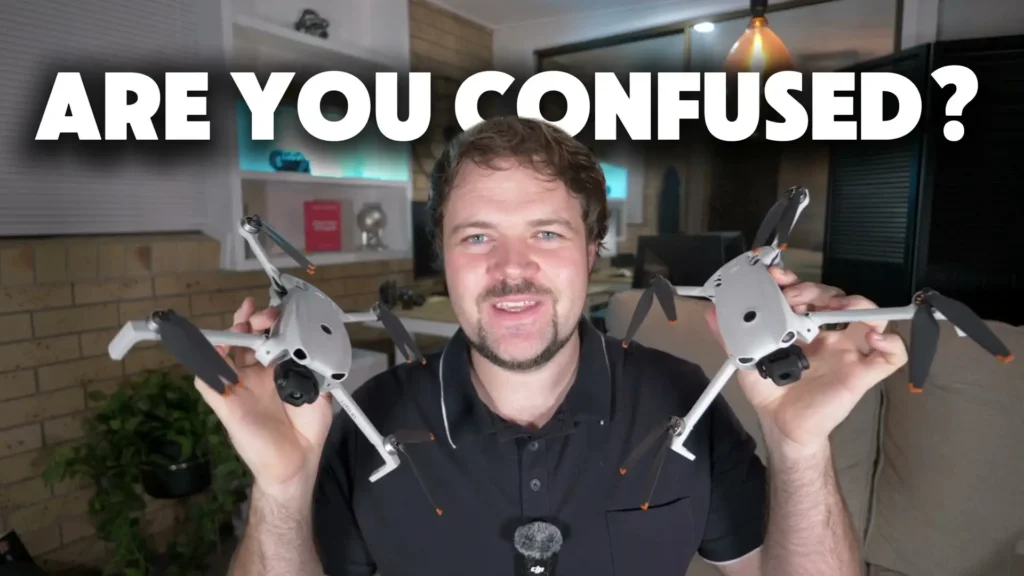

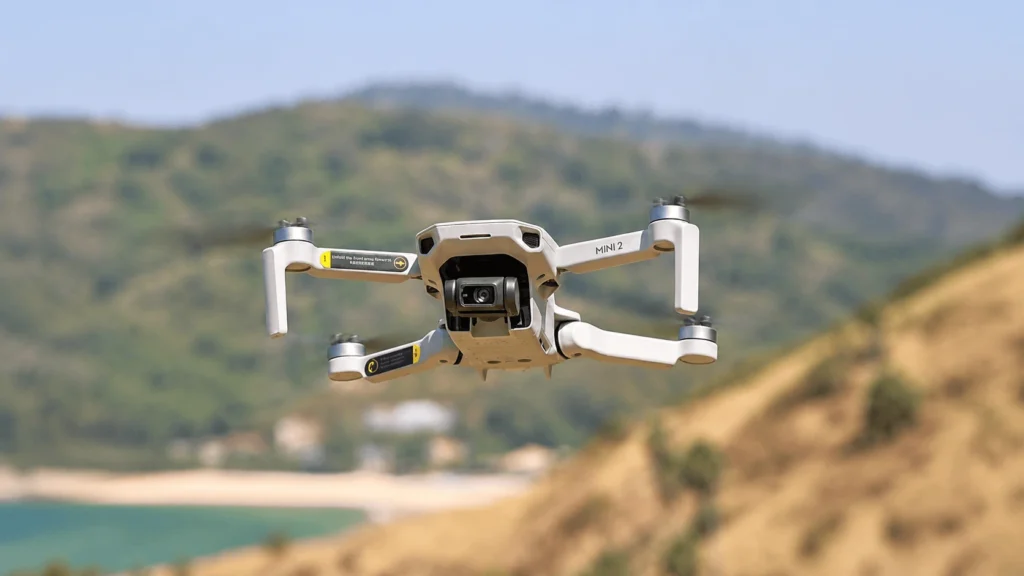
The drone market just got a new entry-level contender. DJI has quietly released the Mini 4K, a compact drone that sits right below the Mini 3 in the product lineup and brings genuine 4K capability to the most accessible price point in the DJI range. But with the Mini 3 still on the market and the older Mini 2 SE not far behind, which drone actually makes the most sense for a beginner looking to get into aerial photography?
This guide breaks down everything you need to know across pricing, camera performance, flight time, transmission, and features so you can make a confident, informed decision before spending a cent.
Clearing the Field: What About the Mini 2 and Mini 2 SE?
Before diving into the main comparison, it is worth quickly addressing the two older models in the lineup.
The original DJI Mini 2 has been discontinued on the DJI website. While it can still be found on Amazon, it currently sells for over $400, which makes it difficult to recommend when better alternatives exist at lower prices.
The Mini 2 SE is a more interesting case at $279, making it $20 cheaper than the new Mini 4K. However, the Mini 2 SE is limited to 2.7K resolution at 30 frames per second. For a $20 saving, accepting a meaningful camera downgrade does not make practical sense. Spending the extra $20 to step up to genuine 4K capability is the smarter long-term investment.
That leaves two drones worth serious consideration: the DJI Mini 4K and the DJI Mini 3.
| Configuration | Price |
| DJI Mini 4K with RC-N1C Remote | $299 |
| DJI Mini 3 with RC-N1 Remote | $419 |
| DJI Mini 3 with DJI RC (Built-in Screen) | $549 |
The $120 price gap between the baseline Mini 4K and Mini 3 configurations is the central tension of this comparison. Whether that gap is justified depends entirely on how seriously you intend to use the drone and which specific features matter to your use case.

Design and Weight
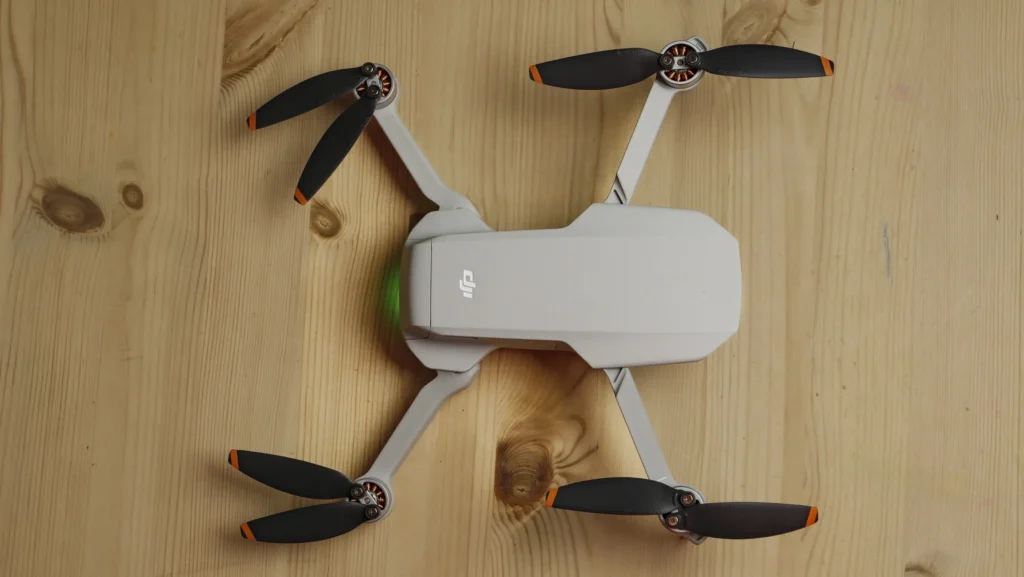
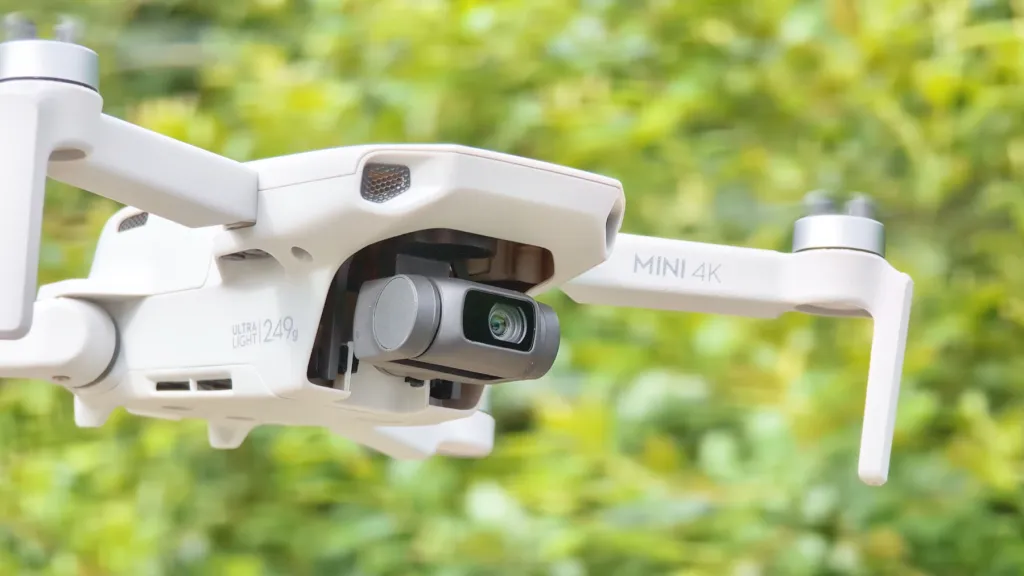
Both the Mini 4K and the Mini 3 sit under the critical 250 gram threshold that determines registration requirements in many regions. In the United States, drones under 250 grams do not need to be registered with the FAA, which is one of the primary reasons the Mini lineup has consistently been the most popular entry point into recreational drone flying.
The Mini 4K comes in at 244 grams, while the Mini 3 sits at 246 grams. Both are comfortably within the limit, though local regulations vary and should always be verified before flying.
As a note on availability, the Mini 4K is not sold directly through the DJI website. It is exclusively available through Amazon in the US and EU, as well as through Best Buy.

Camera Performance
This is where the two drones begin to diverge meaningfully.
Sensor Size and Aperture
The Mini 3 carries a larger 1/1.3 inch camera sensor with a wider f/1.7 aperture. The Mini 4K uses a smaller sensor with an f/2.8 aperture. In practical terms, the Mini 3 will perform noticeably better in low-light conditions and will capture more detail in challenging lighting environments.
Video Resolution
Both drones shoot 4K at 30 frames per second as their primary video format. The Mini 3 adds HDR capability at 4K 30fps, which delivers improved dynamic range and more detail in high-contrast scenes. Both drones also shoot 2.7K at up to 60 frames per second for slow-motion footage.
One spec advantage the Mini 4K holds is its 100 megabits per second bitrate compared to 40 megabits per second on the Mini 2 SE. Higher bitrate means more video data is captured per second, resulting in better detail retention and more flexibility in post-production editing.
Photo Resolution
The Mini 4K shoots 12 megapixel photos. The Mini 3 steps this up significantly to 48 megapixels, a meaningful difference for anyone who intends to use the drone primarily for aerial photography rather than video. Both drones support JPEG and RAW capture, and both include panoramic shooting modes including sphere, wide-angle, and 180-degree formats.
Gimbal Design
The gimbal difference between these two drones is one of the most notable hardware distinctions. The Mini 4K features a traditional gimbal that can tilt upward slightly but is restricted in its range of motion. The Mini 3 introduces a completely redesigned gimbal that can point almost straight up and, critically, can rotate from horizontal to vertical orientation. This vertical shooting capability is a significant practical advantage for anyone creating content for platforms like Instagram Reels or TikTok, where vertical video is the standard format.
Flight Time
| Drone | Rated Flight Time | Estimated Real-World Time |
| DJI Mini 4K | 31 minutes | 18 to 22 minutes |
| DJI Mini 3 (Standard Battery) | 38 minutes | 20 to 23 minutes |
| DJI Mini 3 (High Capacity Battery) | 51 minutes | 30+ minutes |
Rated flight times are always optimistic under real-world conditions. A good rule of thumb is to expect roughly 60 to 70 percent of the rated figure in typical flying conditions. The Mini 3 with its high-capacity battery option provides a meaningful advantage for longer sessions and is worth considering if extended flight time is a priority.
A practical note for existing DJI users: the Mini 4K is battery-compatible with both the Mini 2 and the Mini 2 SE, which reduces the cost of building out a battery collection for those upgrading from an older model.
Transmission and Range
Both the Mini 4K and the Mini 3 use DJI’s OcuSync O2 transmission technology, providing a rated wireless range of up to 10 kilometres line of sight. This is the most important single specification to look for when evaluating any drone purchase.
Older DJI models relied on Wi-Fi transmission, which works adequately at close range but becomes unreliable as distance increases. OcuSync delivers a far more stable and consistent connection, which directly affects both the safety and enjoyment of flying. Neither drone compromises on this front.
Remote Control Options
DJI Mini 4K
The Mini 4K ships with the RC-N1C remote control and is also compatible with the RC-N1. Both of these remotes require a smartphone to be connected via the port at the bottom of the controller in order to display the camera feed and access settings. A phone is a functional requirement for operation.
DJI Mini 3
The Mini 3 uses the same RC-N1 remote by default at the baseline $419 price point. However, it also supports the DJI RC remote, which features a built-in screen. Upgrading to the RC package brings the total to $549 but eliminates the dependency on a smartphone entirely. For pilots who prefer a cleaner, more dedicated flying experience, the built-in screen option is a meaningful quality-of-life upgrade.
Intelligent Flight Modes
Neither the Mini 4K nor the Mini 3 includes obstacle avoidance sensors or follow-me functionality. Both are positioned as beginner and entry-level drones, and these advanced features are reserved for higher-tier models like the Mini 3 Pro and the Mini 4 Pro.
Both drones do include Quick Shots, DJI’s intelligent automated flight modes that execute dynamic camera movements at the press of a button. Available Quick Shots include Dronie, Rocket, Circle, and Helix, among others. These modes allow even first-time pilots to capture cinematic-looking footage without manual flight skill.
Wind Resistance
Both drones are rated for Level 5 wind resistance, which provides solid performance in moderate outdoor conditions. Both handle coastal and open-field flying well under typical conditions. One limitation to note is that both drones can exhibit gimbal instability when flying in Sport Mode under strong wind conditions, a known characteristic shared with the Mini 2 and Mini 2 SE.
Which Drone Is Right for You
Choose the DJI Mini 4K if:
You are new to drones and want the most affordable entry point with genuine 4K capability and OcuSync transmission. At $299, it delivers the core features a beginner needs without unnecessary expense. The Fly More Combo package adds three batteries, a charging hub, and a carry bag, making it the most practical all-in-one starter package at this price point.
Choose the DJI Mini 3 if:
You want a larger sensor for better low-light performance, HDR video capability, a 48-megapixel camera for serious photography, and the rotating vertical gimbal for social media content creation. The $419 baseline configuration is reasonable, and the $549 RC package with the built-in screen is the recommended configuration for the best flying experience.
A Note on DJI Care Refresh
Regardless of which drone you choose, seriously consider adding DJI Care Refresh to your purchase, particularly if this is your first drone.
Care Refresh is an extended protection plan that covers crashes, flyaways, and accidental damage. In the event of an incident, a replacement drone can be obtained for a significantly reduced fee. For beginners learning to fly in varied environments, the peace of mind this provides is well worth the upfront cost. Drone damage from minor collisions is far more common than most new pilots anticipate.
Full Specifications at a Glance
| Specification | DJI Mini 4K | DJI Mini 3 |
| Price (Base) | $299 | $419 |
| Weight | 244g | 246g |
| Under 250g | Yes | Yes |
| Camera Sensor | Standard | 1/1.3 inch |
| Aperture | f/2.8 | f/1.7 |
| Max Video Resolution | 4K 30fps | 4K 30fps HDR |
| Slow Motion | 2.7K 60fps | 2.7K 60fps |
| Video Bitrate | 100 Mbps | 100 Mbps |
| Photo Resolution | 12 MP | 48 MP |
| RAW Photo Support | Yes | Yes |
| Gimbal Rotation | Limited | Full + Vertical |
| Vertical Shooting | No | Yes |
| Rated Flight Time | 31 minutes | 38 to 51 minutes |
| Transmission | OcuSync O2 | OcuSync O2 |
| Max Range | 10 km | 10 km |
| Obstacle Avoidance | No | No |
| Battery Compatibility | Mini 2, Mini 2 SE | Mini 3 Series |
Final Thoughts
The DJI Mini 4K makes a compelling case for being the default recommendation for anyone entering the drone market for the first time. At $299, it delivers 4K video, OcuSync O2 transmission, intelligent Quick Shots, and DJI’s proven build quality in a sub-250 gram package. For the vast majority of beginner use cases, it covers everything that is actually needed.
The DJI Mini 3 justifies its higher price for creators who are serious about image quality, need the flexibility of vertical video, or want the extended flight time that the high-capacity battery option provides. It is a more capable drone in every measurable way, and the price premium reflects that honestly.
Start with the Mini 4K if budget is the priority and drone flying is new to you. Step up to the Mini 3 if you already know how you intend to use the footage and those additional capabilities align with your creative goals. Either way, add Care Refresh to your order and protect your investment from day one.
Read More: DJI Lito X1 Review: DJI’s Best Beginner Drone Yet