
When it comes to drones, most of us fall into two camps: those who just want to capture beautiful cinematic shots with as little hassle as possible, and those who crave the thrill of fast, responsive FPV flying.
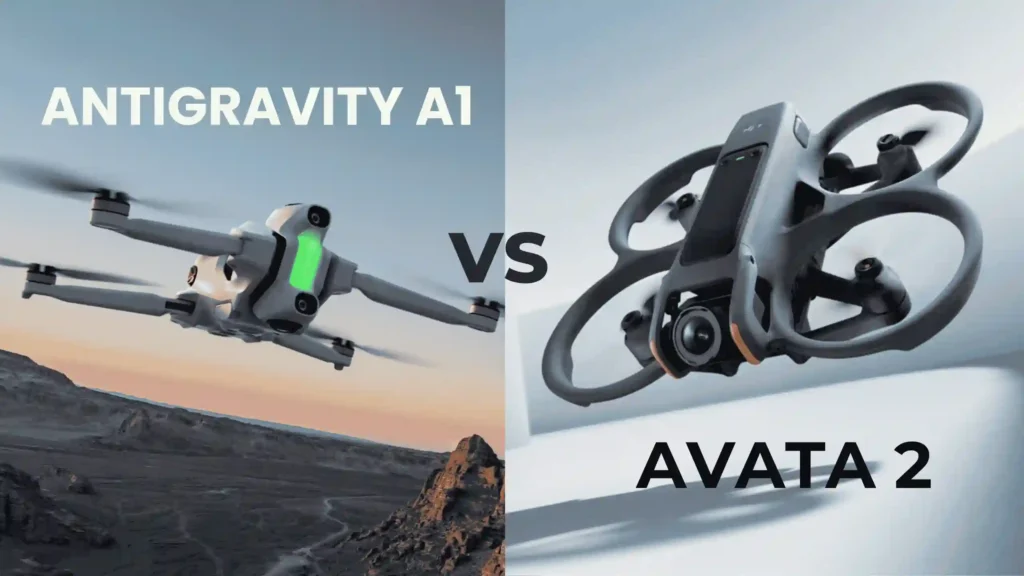
Today, we’re putting two very different drones head-to-head: the Anti-Gravity A1, the world’s first 360° drone, and the DJI Avata 2, an FPV drone designed with beginners in mind but powerful enough to keep enthusiasts happy.
They couldn’t be more different. One is all about reframing your shots after the flight, capturing literally everything around you in 360°. The other puts you directly in the pilot’s seat, zipping through obstacles and chasing subjects with speed and agility.
So, if you’re considering one of these as your next flying companion, which should you pick?
Table of Contents
Design and Build Quality
Antigravity A1
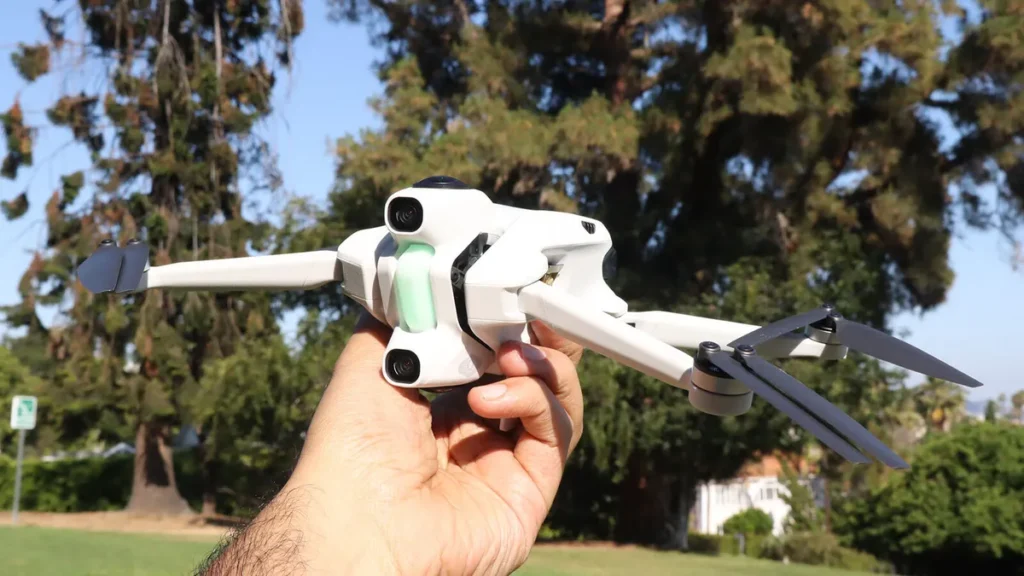
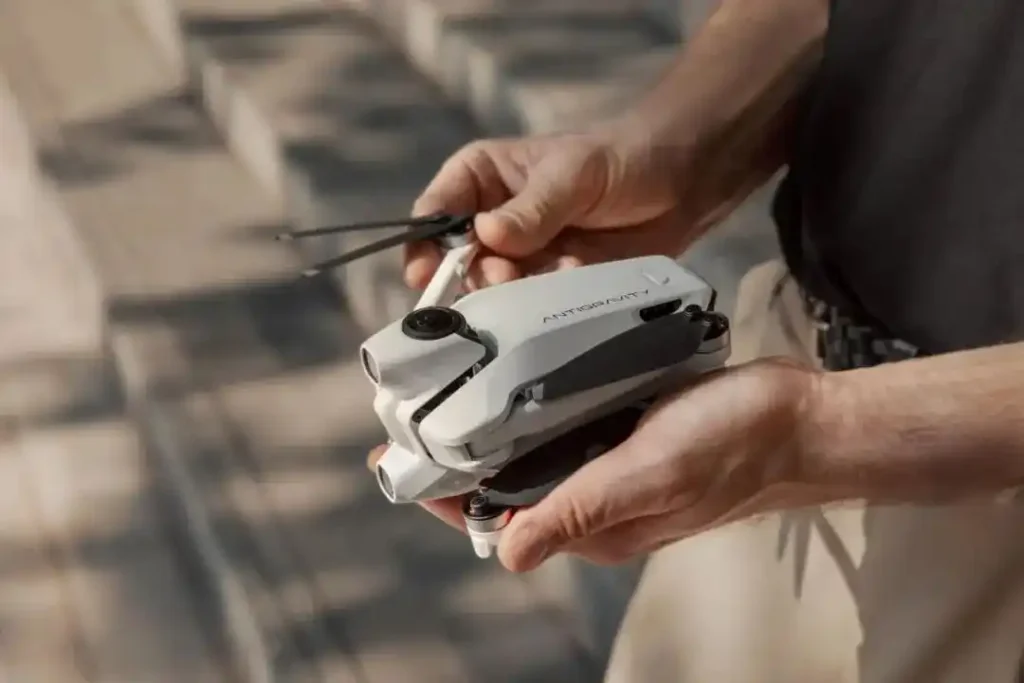
Let’s break it down. Starting with the Anti-Gravity A1, this drone is unlike anything we’ve seen before. Instead of a traditional gimbal and forward-facing camera, it uses dual lenses one on top and one on the bottom that work together to capture a seamless 360° view.
That means no matter which way the drone is flying, or even if it spins midair, you’ll always have full coverage. One of its coolest tricks is that the landing gear automatically folds up after takeoff, making the drone appear almost invisible in your footage.
It’s lightweight, too under 250g which makes it more travel-friendly and, in some regions, even exempts it from stricter drone regulations.

Avatar 2
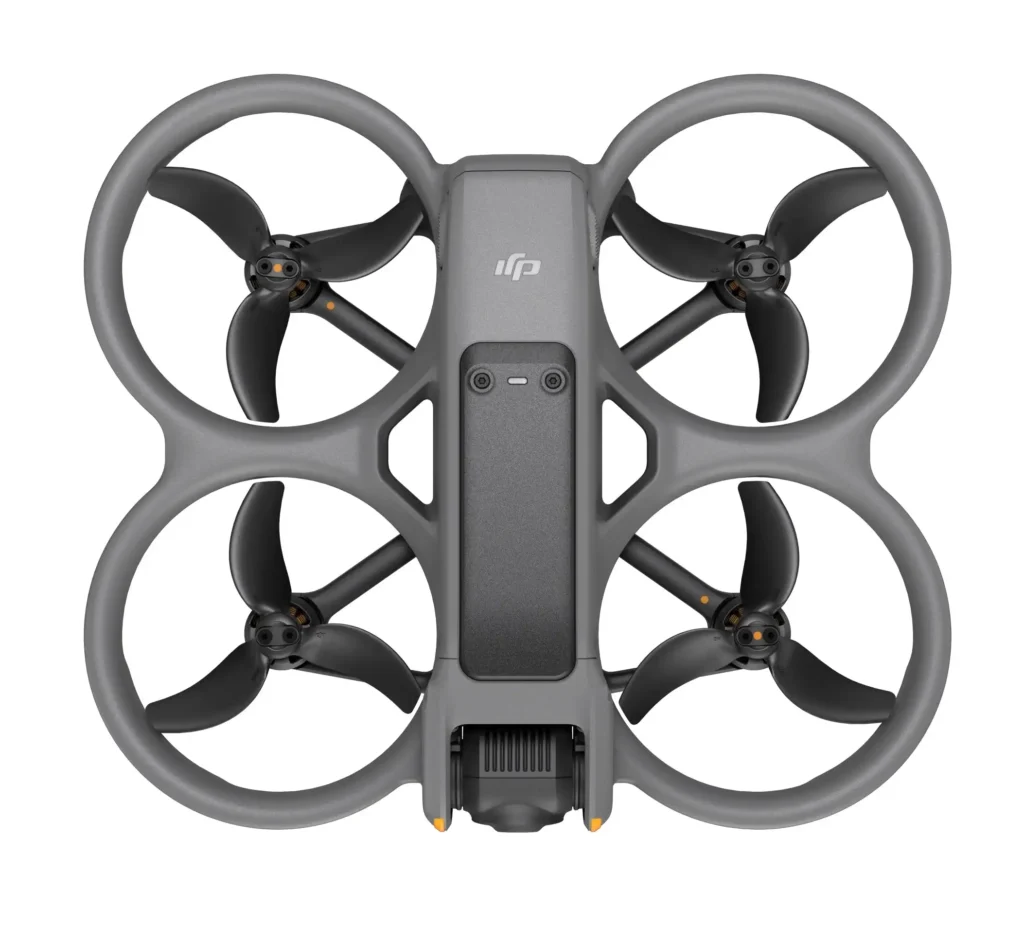
On the flipside, the DJI Avata 2 looks much more like a traditional FPV cinewhoop drone, though it’s slimmer and lighter than its predecessor. It comes with built-in prop guards for added protection. And while it doesn’t fold down like DJI’s Mavic line, it’s still relatively compact.
The Avata 2 also adds 46 GB of internal storage-more than double the original, so you won’t have to worry about running out of space mid-flight.
When it comes to durability, DJI has the edge. The Avata 2 feels more robust and is designed to handle the occasional bump or crash that comes with FPV flying. Meanwhile, the A1’s biggest weakness is its exposed lenses. Since it doesn’t use replaceable covers or a gimbal, a hard crash could easily scratch or damage the lenses something that would be a nightmare for capturing 360° footage.

Cemara & Image Quality
anti-gravity A1
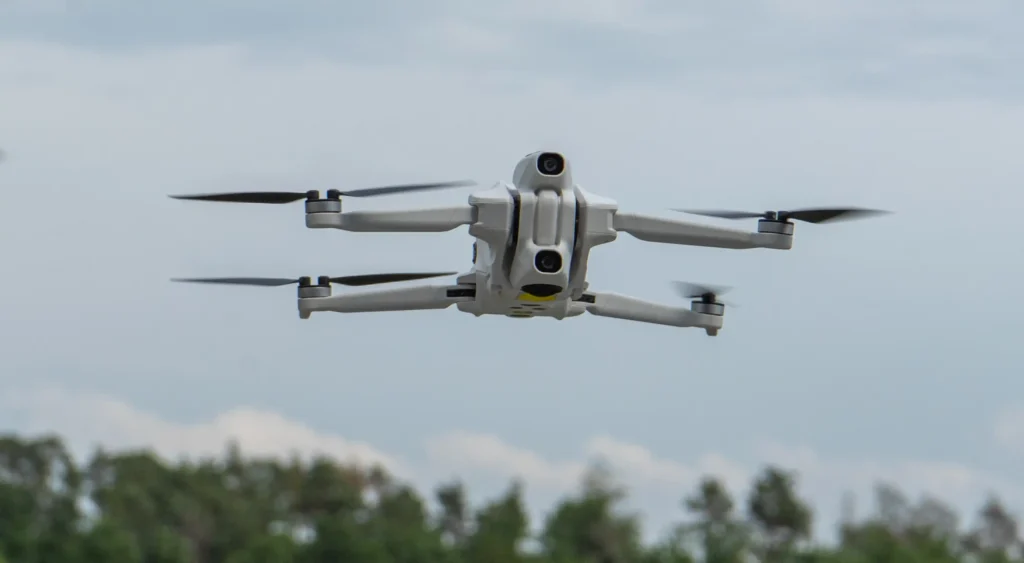
This is where the philosophies of the two drones really split. The Anti-Gravity A1 aims to be a creative powerhouse, designed for 8K 360° capture. That said, the current prototype maxes out at a lower resolution and frame rate.
The big idea is that you don’t have to worry about aiming the camera while flying just fly. Later, in editing, you can reframe the footage however you like: track moving subjects, create impossible camera moves, or even simulate multiple camera angles from a single flight.
Avatar 2
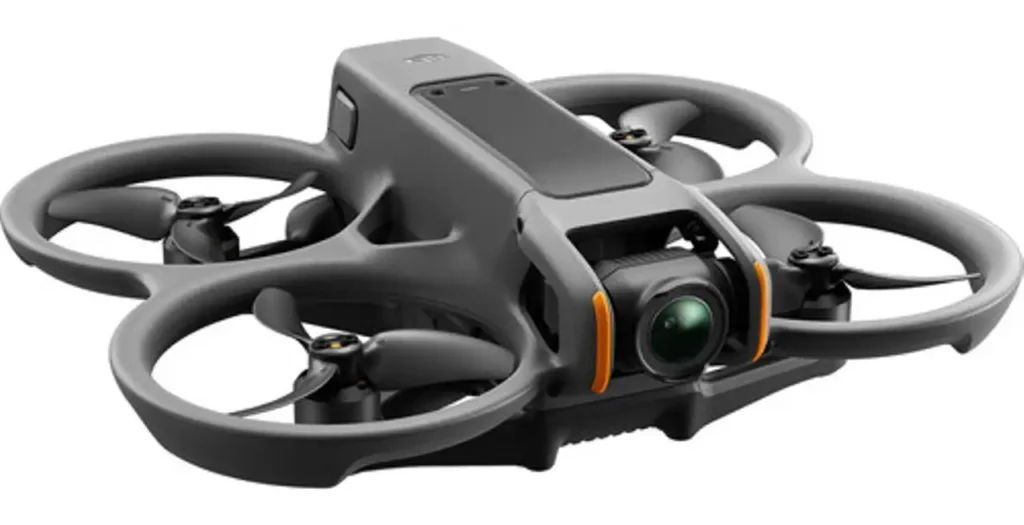
The Avata 2, meanwhile, borrows tech from DJI’s Action 4 camera. It shoots 4K at 60 frames per second, supports slow motion up to 100 fps, and offers D-Log M for color grading flexibility. Its field of view is an ultra-wide 155°, perfect for FPV footage where you want that immersive, in-the-action look.
While it can’t match the resolution flexibility of a 360° camera, the Avata 2’s image quality is sharp, vibrant, and cinematic right out of the box. If you’re a creator who values post-production freedom, the A1 is unmatched. But if you prefer sharp, ready-to-go footage with minimal editing, the Avata 2 will likely serve you better.
Flights Control & Experience
Antigravity A1
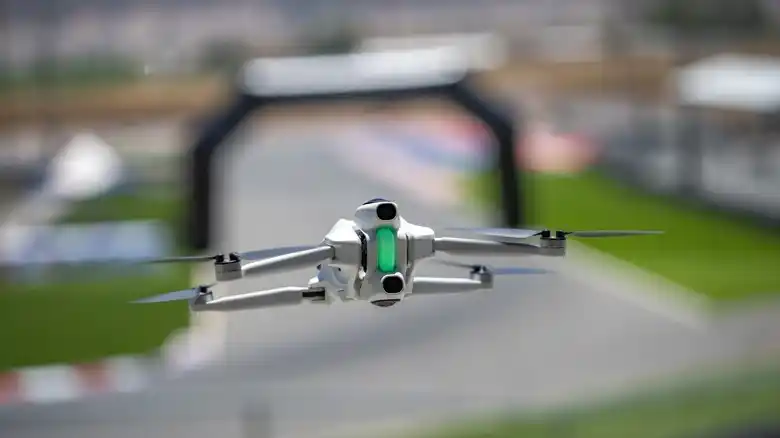
Here’s where things get really interesting. The Anti-Gravity A1 introduces a motion-sensitive grip controller. Instead of traditional joysticks, you steer the drone with wrist movements, while a trigger controls altitude. There’s also a dial for orientation adjustments and a few buttons for photo, video, and power.
Pair it with the Anti-Gravity goggles, and you’re essentially piloting by instinct turn your wrist, and the drone follows. It’s surprisingly beginner-friendly since you don’t have to think in terms of pitch, roll, and yaw.
Avatar 2
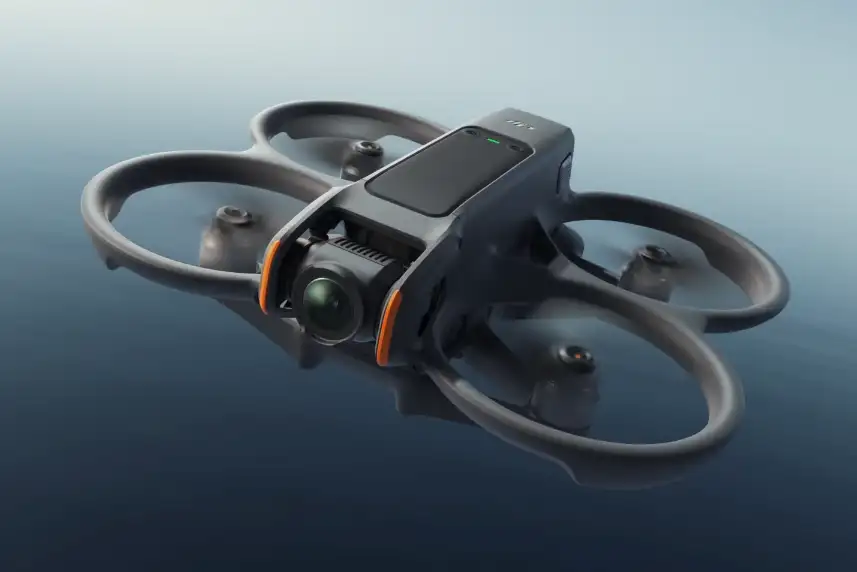
The DJI Avata 2 also uses a motion controller by default the new RC3 motion controller. Like the A1, it’s intuitive, letting you point the drone where you want it to go. It’s perfect for beginners who want the feeling of flying without learning traditional FPV stick controls.
The difference is that DJI gives you the option to upgrade. If you want full manual FPV control for flips, rolls, and advanced maneuvers, you can switch to a stick-based remote. For pure ease of use, the A1 might have a slight edge since it was designed from the ground up around motion control. But in terms of flexibility, DJI’s approach wins, giving users both beginner-friendly and advanced flight options.
Read More: Antigravity A1 Review
Flight Modes & Performance
Antigravity A1
With the A1, the focus isn’t on speed or agility it’s on smooth, cinematic flight. It uses GPS stabilization and is designed to make the drone itself almost invisible, so you can worry less about piloting and more about creative possibilities.
The idea is simple: fly in straight lines, circles, or other basic moves, then reframe your footage afterward. In testing, it performed well when tracking subjects, weaving through abandoned structures, and flying near cliffs.
Avatar 2
The Avata 2, on the other hand, is built for adrenaline. Beginner Mode keeps things tame, Sport Mode loosens the restrictions, and in Manual Mode with a stick controller, you can go full FPV fast dives, flips, rolls, and proximity flying.
It’s incredibly responsive, and with DJI’s O4 transmission, you get up to 8 miles of range in perfect conditions. Battery life is what you’d expect from an FPV drone around 6 to 8 minutes per flight. That means it’s not built for long cinematic sessions, but rather for quick, exciting bursts of action.
If you want calm, stable, cinematic flying, the A1 fits the bill. But if you’re after fast-paced, immersive action, the Avata 2 is the better choice.
Creative Possibilities
Antigravity A1
A normal drone points in one direction you get what you shoot. But with the A1, you can fly once and extract multiple shots later. Want a forward-facing cinematic shot? Done. Want to rotate mid-clip and make it look like a chase scene? Also possible. You can even simulate multiple drones filming the same flight path. For creators especially vloggers, travel filmmakers, or social media editors this can save a ton of time and effort.
Avata 2
The Avata 2, meanwhile, shines in immersive storytelling. You feel like you’re right there—zipping through trees, flying through narrow gaps, or chasing a snowboarder down a slope. The footage is dynamic and exciting in a way no 360 drone can replicate in real time.
Final verdict
If you’re looking for 360° cinematics with the freedom to reframe shots in post-production, the Insta360 Anti-Gravity A1 is your best bet. It’s perfect for content creators and anyone who wants to push the limits of creative drone flying.
If you’re after a beginner-friendly FPV drone with excellent image quality and an easy entry into FPV flying, the DJI Avata 2 is the way to go. It offers safety features, solid 4K footage, and serves as a great platform for learning and honing your skills before moving into more advanced FPV flying.
Thanks for watching! Don’t forget to hit that like button if you found this video helpful, and let us know in the comments which drone you’re leaning toward, and why.
Read More: