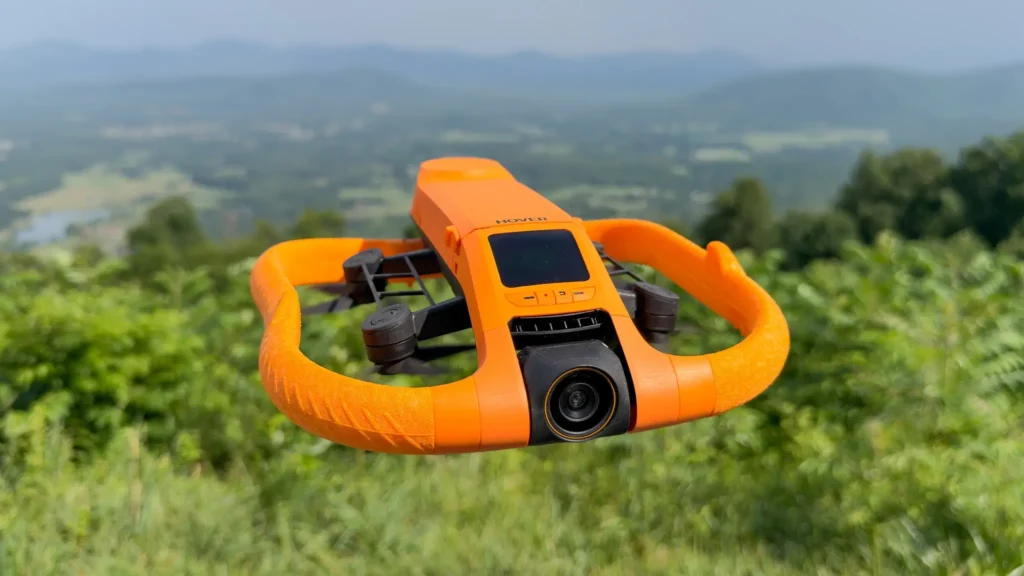

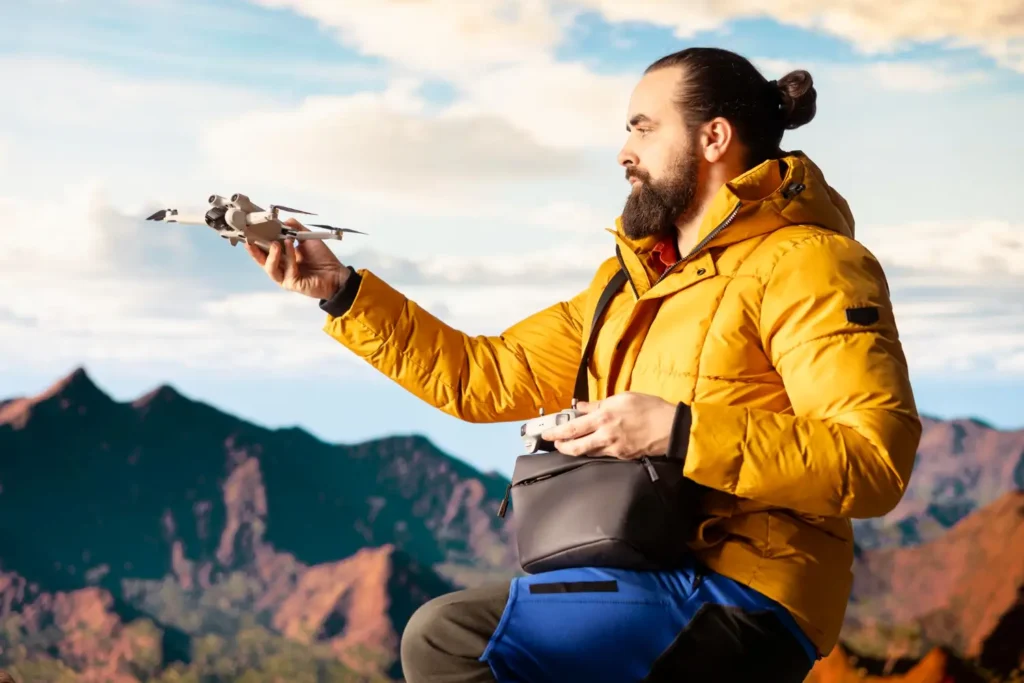
If you are looking for the best budget drones for beginners but do not want to spend over $1,000 on premium models like the DJI Air or Mavic series, there are plenty of affordable options worth considering. However, not all of them deliver real value.
Drones under $200 are mostly cheap Chinese-made models that are only good for casual fun and will not provide quality footage or a genuine flying experience. That is why we have focused on budget drones under $500 that truly perform well and give you a near-premium feel without breaking the bank.
I have personally tested almost every drone on this list, so the recommendations here are based on real-world experience, not just specs on paper. Whether you are a complete beginner taking your first flight or someone who simply wants great performance at an affordable price, these drones will not disappoint.
Best Budget Drones For Beginners
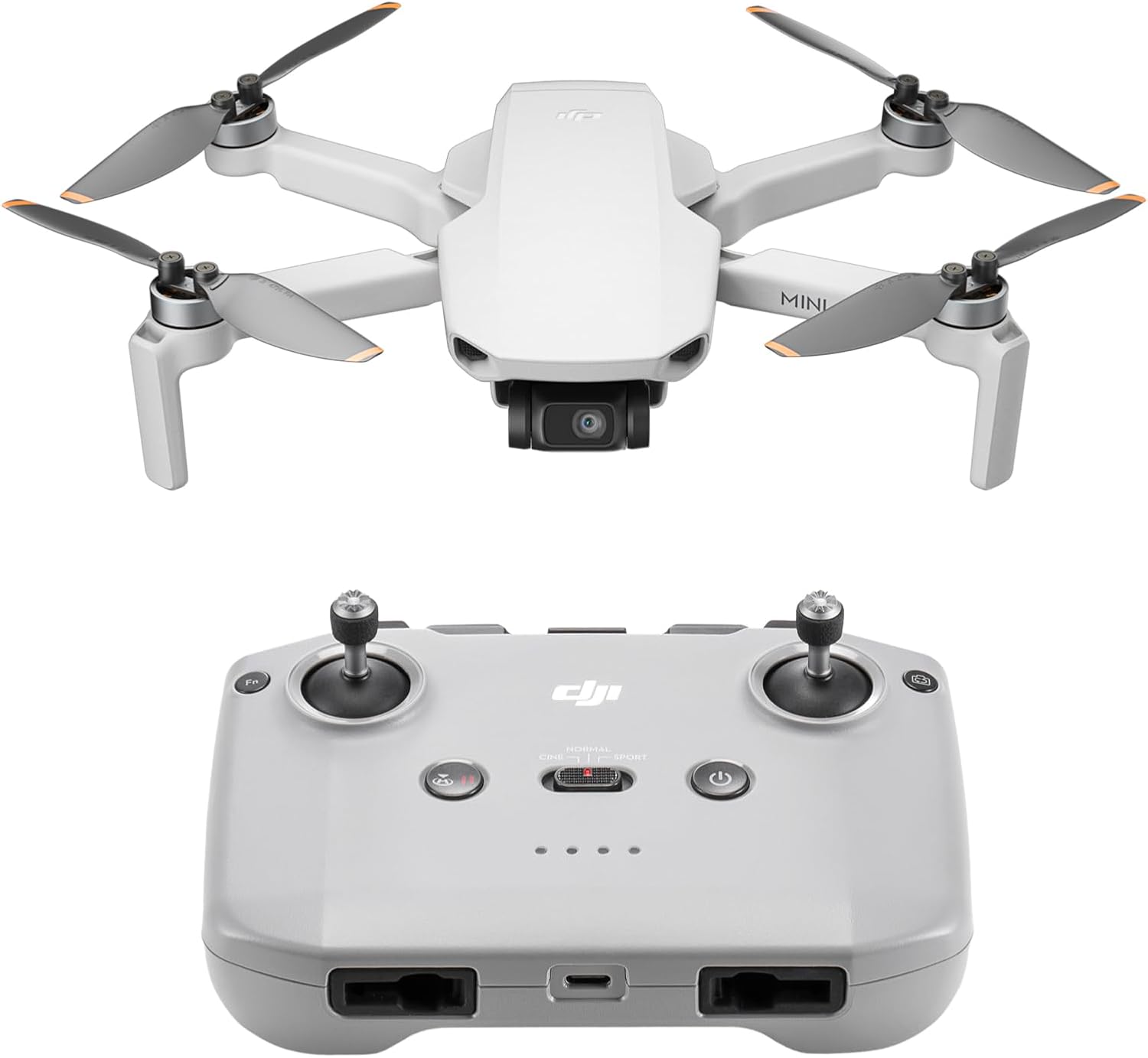
DJI Mini 4K
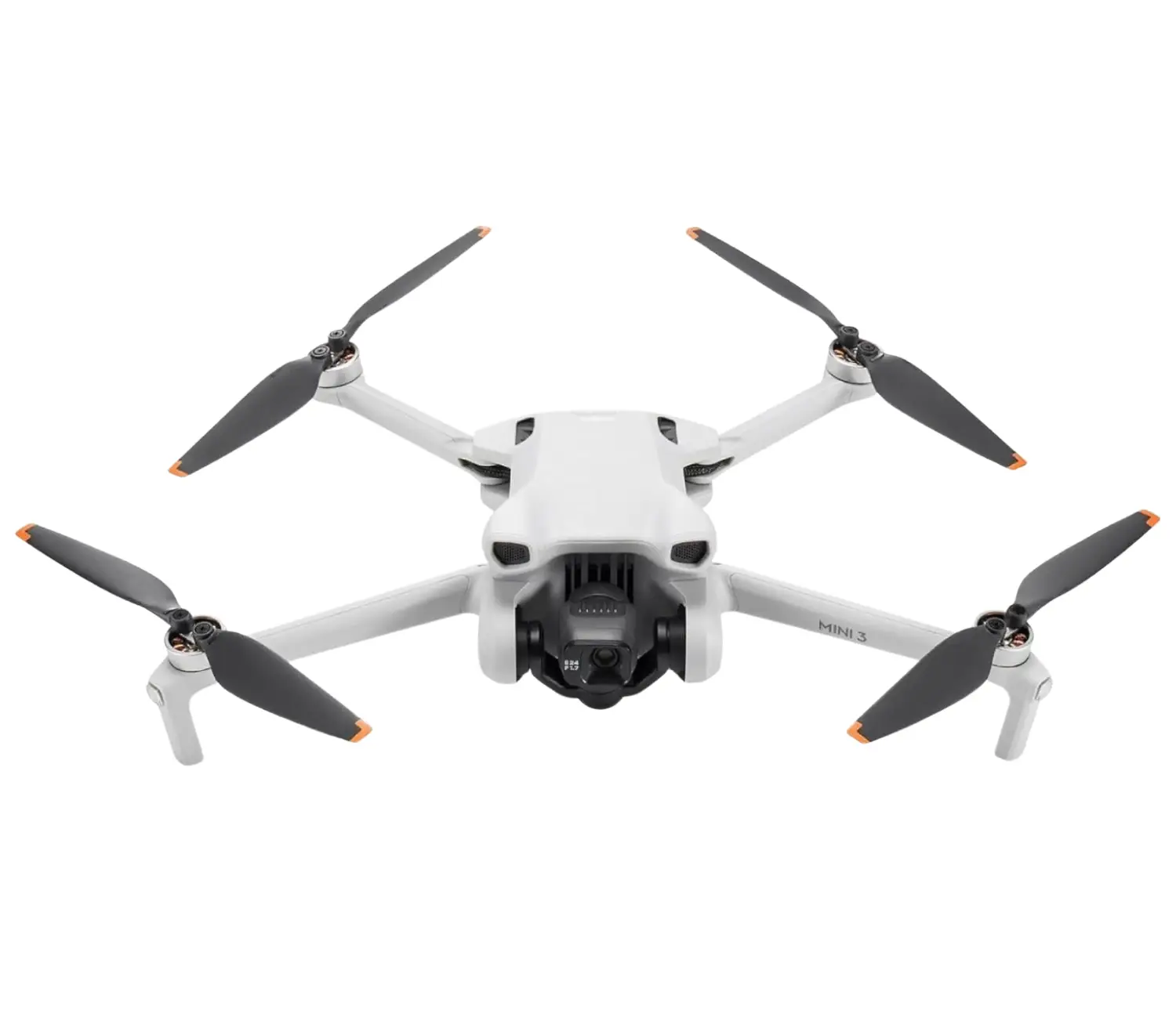
DJI Mini 3
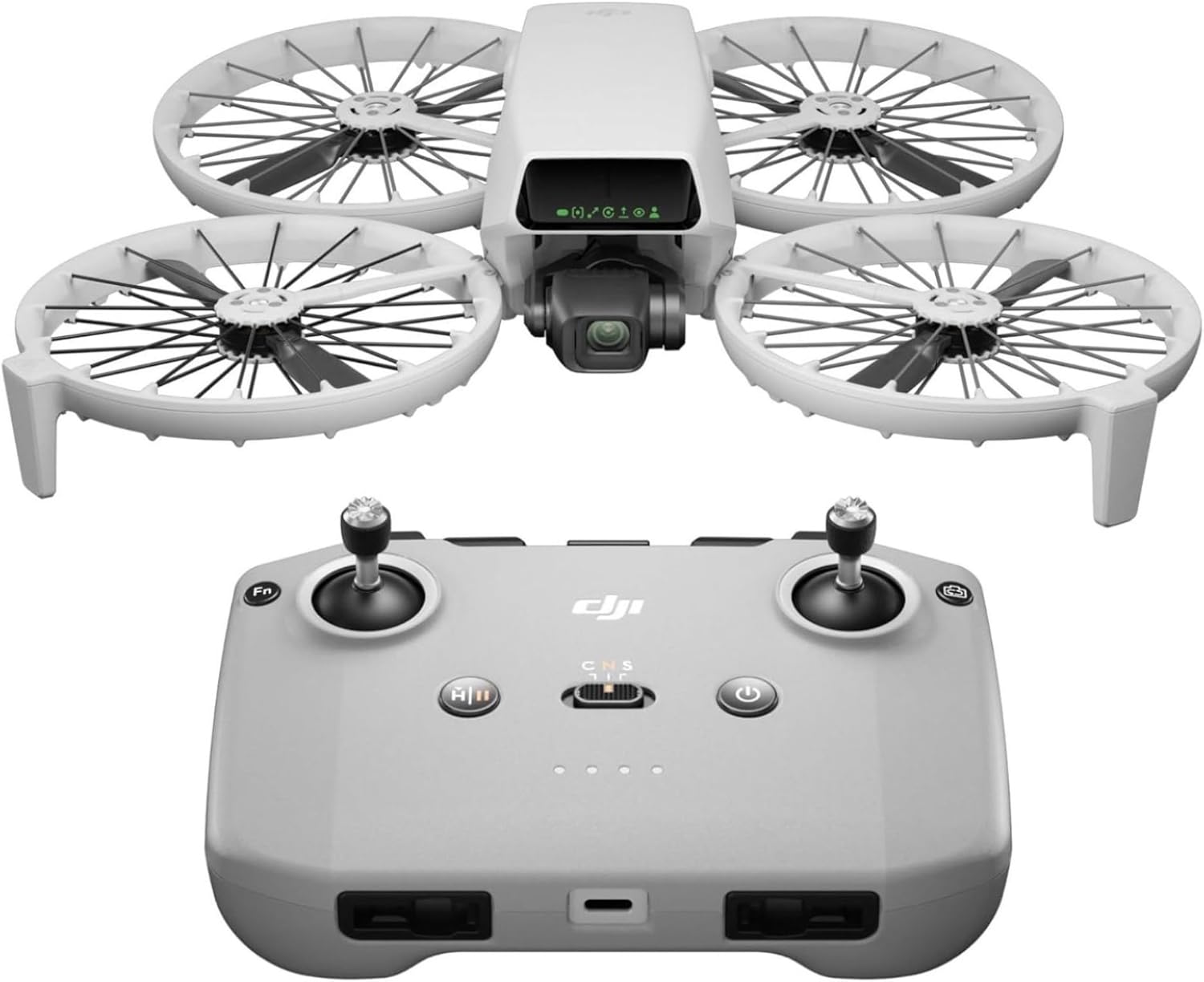
DJI FLIP
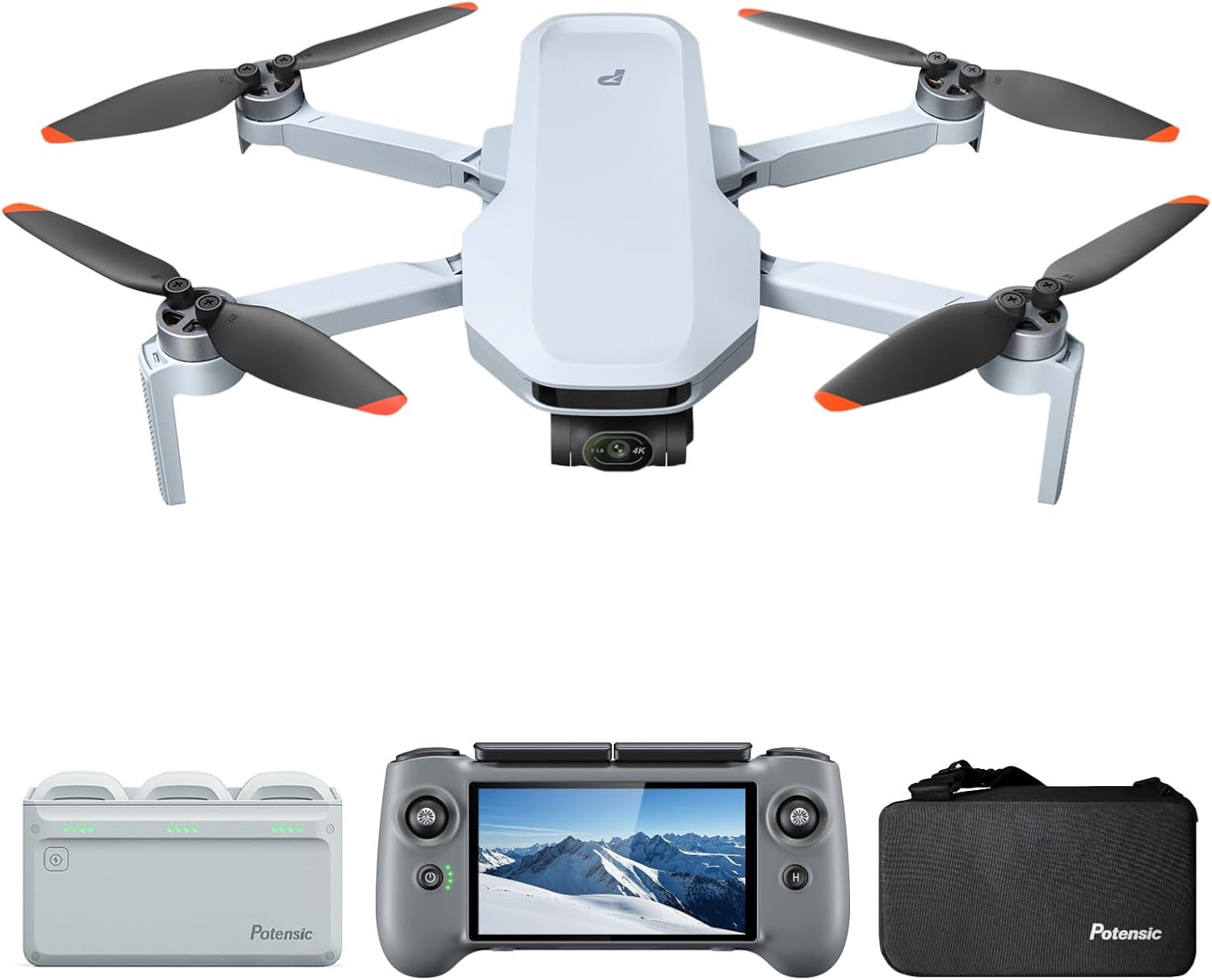
Potensic Atom 2
Ruko F11 Pro 2
Holy Stone HS900PRO
DJI Lito X1
Not Available in USA
GEPRC Vapor D6 (O4 Pro)
Table of Contents
01. DJI Mini 4K
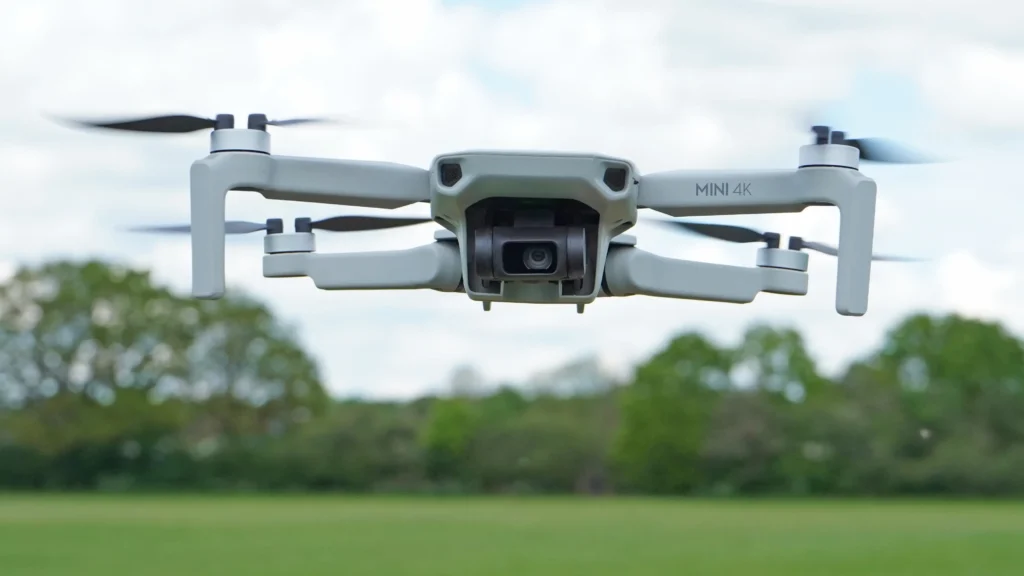
If you are a beginner looking for the best budget drone to start with, the DJI Mini 4K should be your first choice. Priced at $299 (standard) and $449 (Fly More Combo), it sits in the sweet spot where affordability meets genuine quality. DJI has always been the most trusted name in the drone industry, and the Mini 4K carries that reliability into the budget segment better than any competitor at this price.
The drone weighs under 249g, which means you do not need to register it with the FAA in the United States. That is one less thing to worry about as a new pilot. The 12MP camera shoots 4K at 30fps with a 3-axis mechanical gimbal keeping your footage stable even when you are still learning smooth control inputs. The results are genuinely impressive for a sub-$300 drone.

In terms of flight performance, DJI officially claims 31 minutes of flight time, but in real-world conditions with moderate wind you should expect closer to 24–26 minutes on a single charge. Still very competitive for this price range. The drone offers four flight modes: Cine, Normal, Sport, and QuickShots. Sport mode pushes it to 35.79 mph (57.6 km/h), and the Level 5 wind resistance means it holds its position well in breezy conditions.
Read More: DJI Mini 4K – 34 Tips & Settings
The 10km video transmission range is frankly overkill for a beginner but great to have as you improve. I will recommend this drone for Complete beginners who want a reliable, register-free drone with a real camera under $300.
02. DJI Mini 3
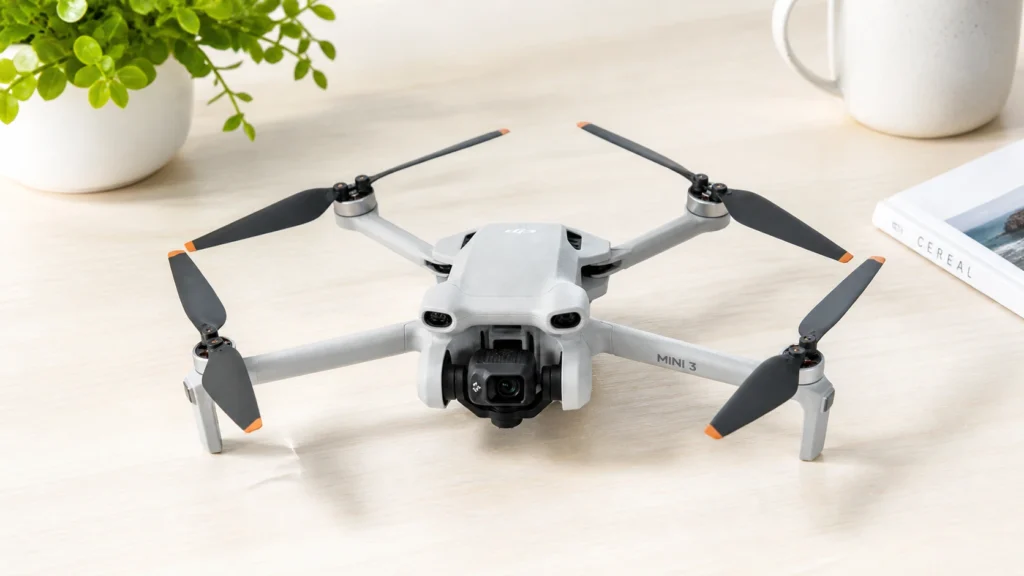
If you are looking for one of the best budget drones that punches well above its price, the DJI Mini 3 is hard to ignore. Currently priced at $349 (standard) and $575 (Fly More Combo with DJI RC), it sits between the Mini 4K and more premium options, and delivers a noticeable step up in capability.
Like the Mini 4K, it weighs under 249g so no FAA registration is needed. The big upgrade here is the camera, a 1/1.3-inch sensor capable of 4K HDR video with dual native ISO for better low-light performance. It also features True Vertical Shooting, meaning you get full-resolution portrait footage without any digital cropping, which is genuinely useful for social media content.

Flight time is rated at 38 minutes, and in real-world conditions you can realistically expect 30–34 minutes, which is among the best in this price range. The 10km transmission range and Level 5 wind resistance round out a very solid package.
Read More: DJI Mini 3 Hidden Features
The only notable absence is obstacle avoidance, which you do not get unless you step up to the Mini 3 Pro. For most beginners that is not a dealbreaker. Beginners who want a better camera and longer flight time than the Mini 4K without breaking $400.
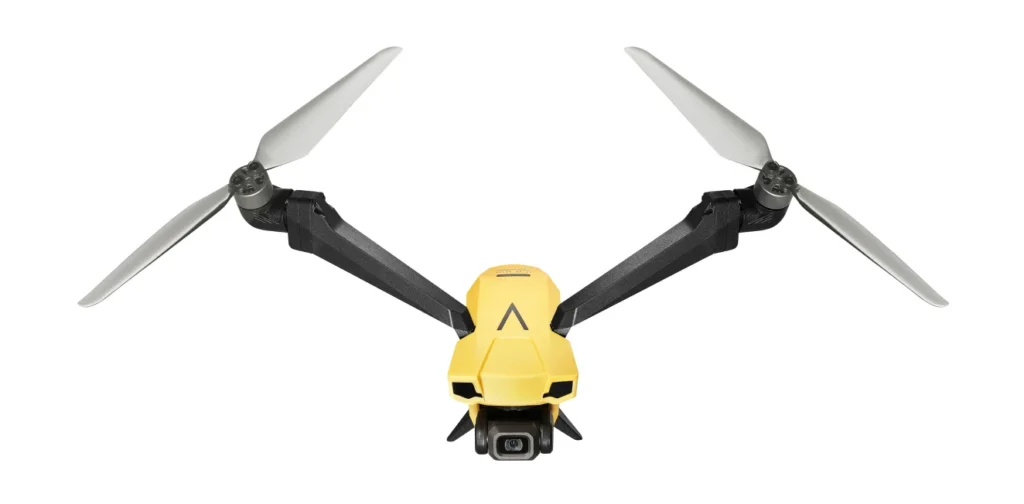
03. DJI FLIP
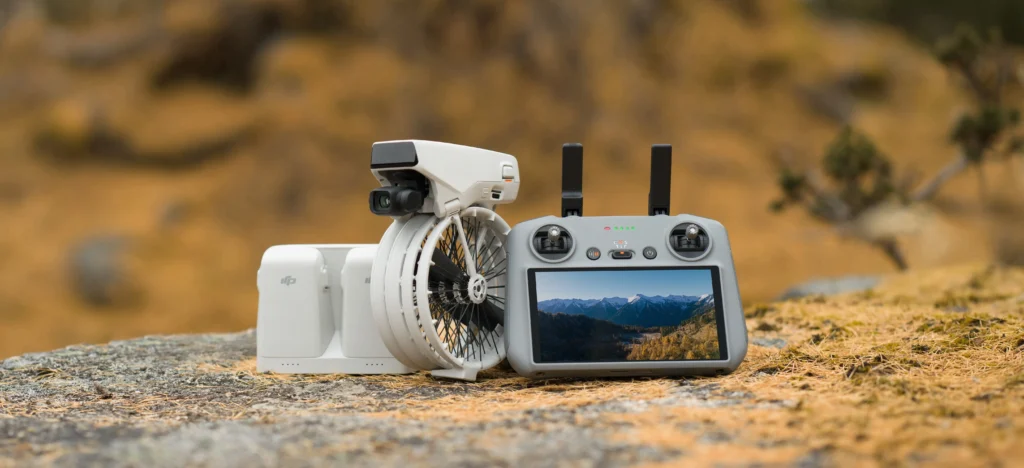
The DJI Flip is one of the most talked-about budget drones of 2025 and 2026, and for good reason, but it comes with an important caveat that you need to know before buying. Priced at $439 (standard) and $779 (Fly More Combo), it is the most expensive drone in the under-$500 section of this list, and the camera is genuinely its strongest selling point.
The Flip’s foldable design makes it extremely pocket-friendly, and at under 249g there is no registration required. The camera shoots 4K at 60fps using a 1/1.3-inch Quad Bayer sensor, a meaningful upgrade over both the Mini 4K and Atom 2 in low-light and detail performance. It also supports 10-bit D-Log M for anyone who wants to color grade footage in post-production. For pure image quality under $500, nothing on this list beats it.

The flight time of 22–28 minutes in real-world conditions is roughly in line with what DJI claims (31 minutes), though conditions make a big difference. Here is where I have to be completely honest with you though. The Flip’s unique folded arm design creates real stability problems in windy conditions.
Read More: DJI Flip Honest Review
In my testing, the drone struggled noticeably with wind gusts and became difficult to control at higher altitudes. This is a known trade-off with its unconventional frame design, and DJI themselves acknowledge the design prioritizes portability over aerodynamic stability.
Read More: 10 Problems with DJI FLIP
For those reasons, I would not recommend the Flip as a first drone for a complete beginner. If you are on your very first drone, get the Mini 4K instead. But if you have some flight experience and you want the best camera quality under $500 and mostly fly in calm conditions, the Flip’s footage quality is hard to argue with.
It is best for Intermediate beginners with some flight experience who prioritize camera quality and fly in calm weather conditions.
05. Potensic Atom 2
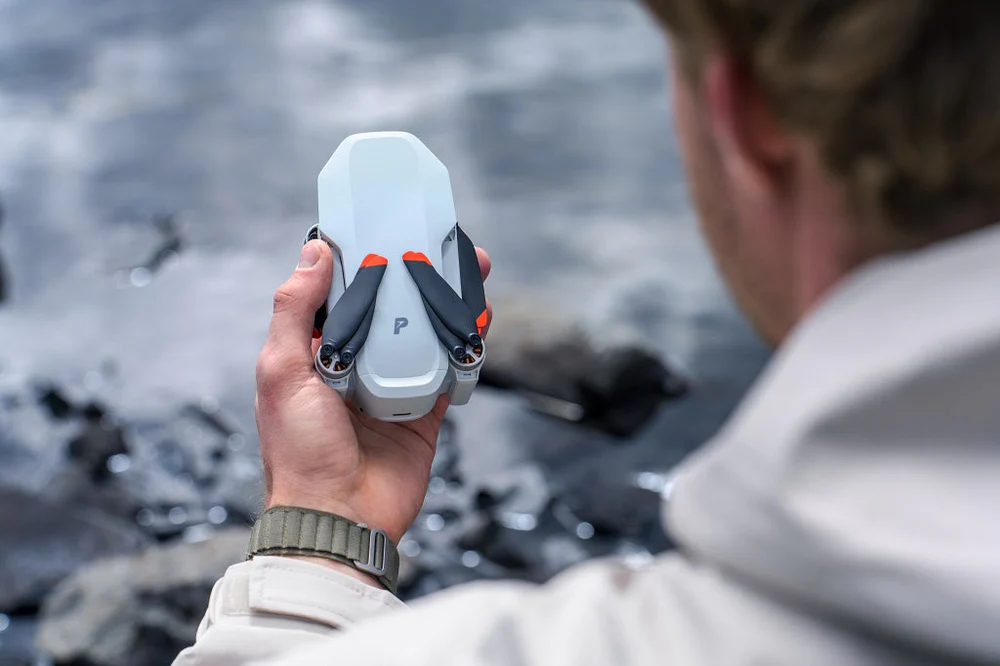
The Potensic Atom 2 is the most interesting budget drone on this list because it directly challenges DJI on their home turf and largely succeeds. Priced at $359 (standard) and $479 (Fly More Combo), it costs a little more than the Mini 4K but offers some meaningful upgrades that make the extra spend worth considering.
Like the Mini 4K, the Atom 2 weighs under 249g so no FAA registration is required. Where it pulls ahead is the camera, a 48MP sensor capable of 4K at 30fps, giving you noticeably more detail in photos compared to the Mini 4K’s 12MP. It features two primary flight modes, Normal and Sport, along with six Intelligent Flight Modes for automated shots. Sport mode tops out at 16 m/s (35.8 mph) and it handles Level 5 wind resistance well.
Read More: Potensic Atom 2 Review
On flight time, Potensic claims 32 minutes but in our real-world testing we consistently got 22–25 minutes per charge. That gap between claimed and actual is larger than we would like to see, so plan your flights accordingly and always carry a spare battery if you pick up the Fly More Combo.

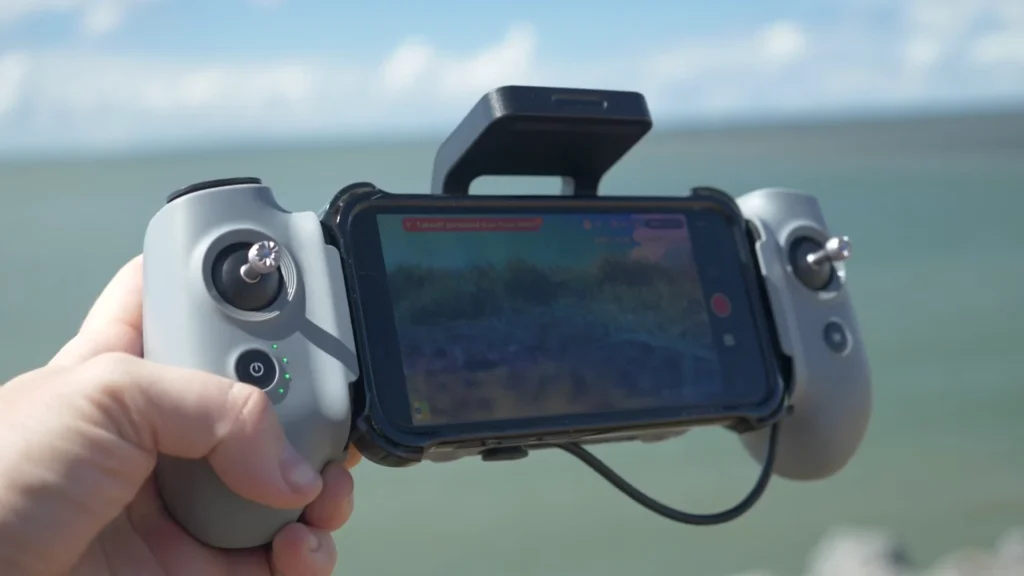
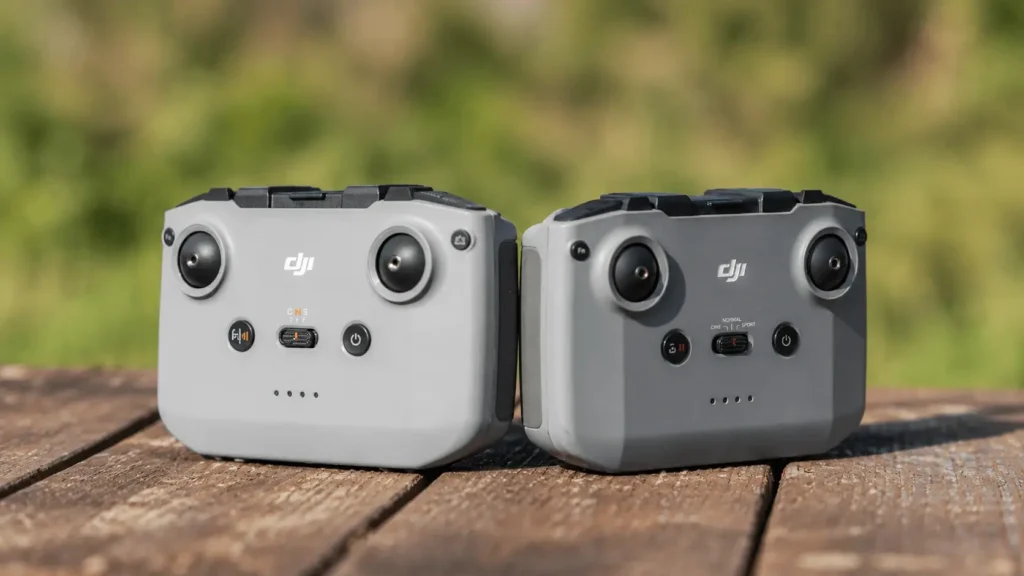
One thing that genuinely impressed us was the controller design. It feels more premium in hand than the DJI RC-N3, which is a noticeable difference when you are flying regularly. If you want a step up from the Mini 4K in camera resolution and controller quality without jumping to a much higher price, the Atom 2 is the right call.
Read More: Potensic Atom 2 vs DJI Mini 4k
This drone is Best for Beginners who want better photo quality than the Mini 4K and do not mind spending an extra $60.
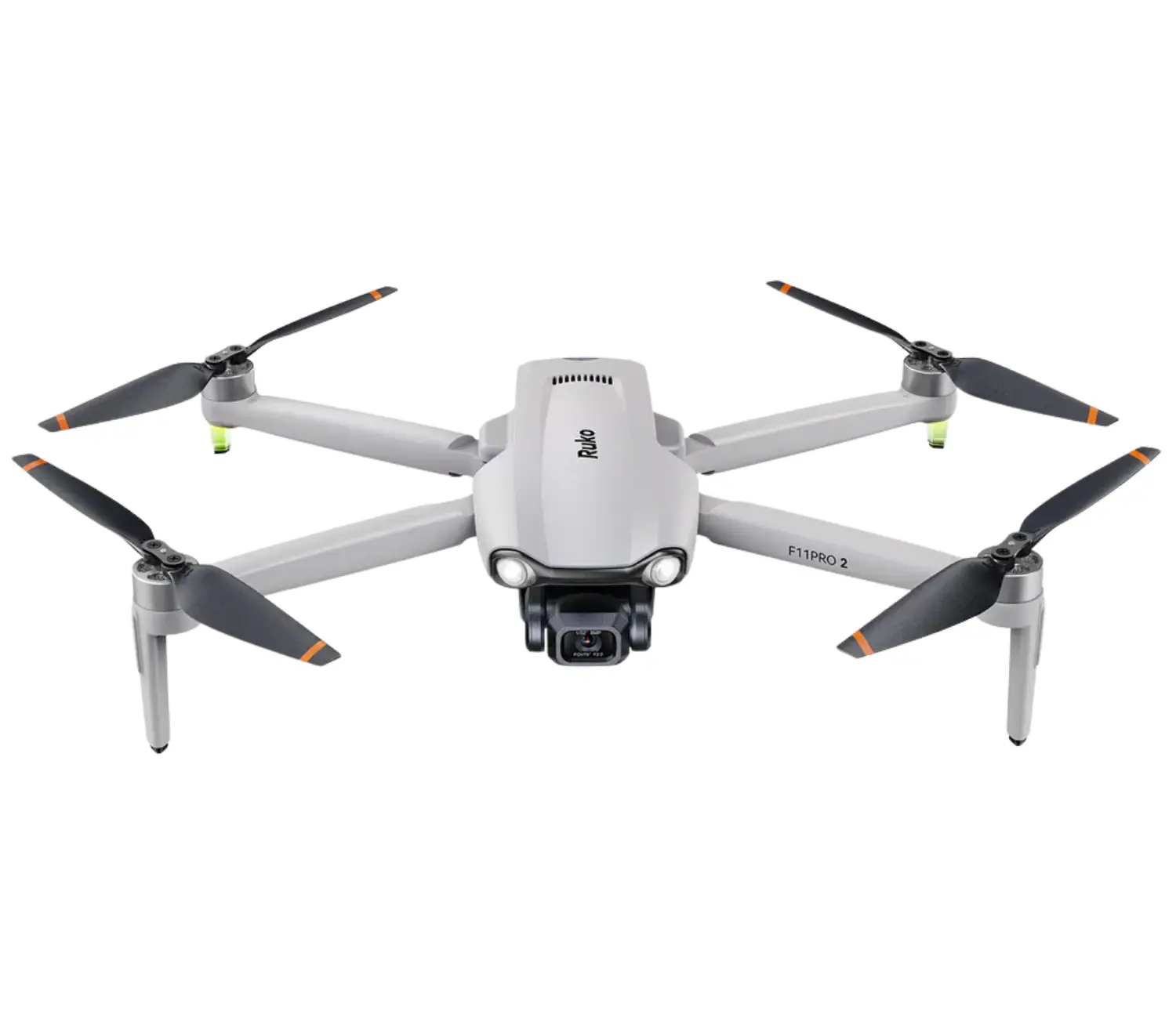
05. Ruko F11 Pro 2
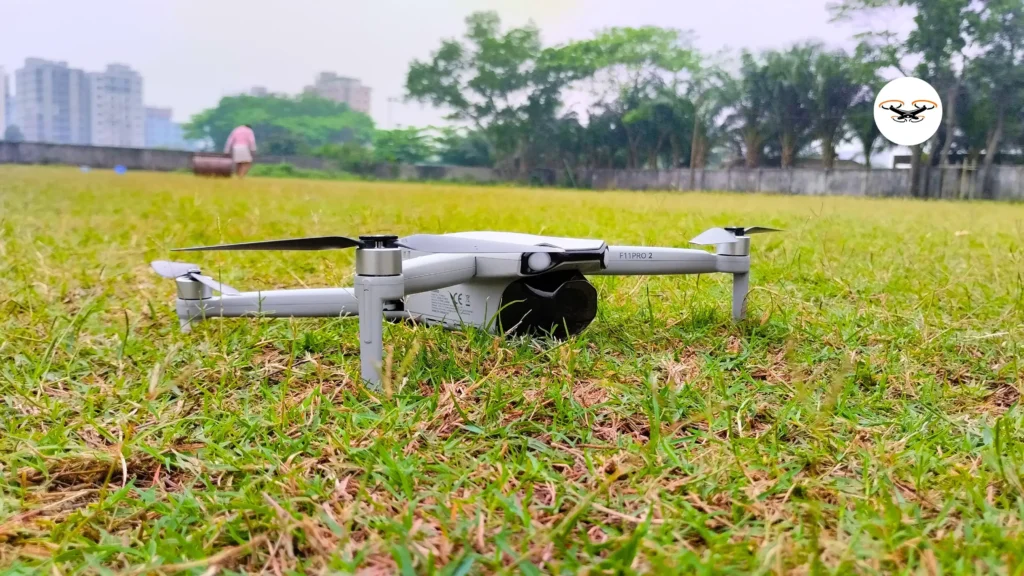
The Ruko F11 Pro 2 is worth considering if you want a capable beginner drone outside the DJI and Potensic ecosystem. Priced at $459, it comes with two batteries included in the box, which is a genuine value advantage since most competitors charge extra for a second battery.
The drone weighs 359g, which means FAA registration is required, unlike the sub-249g options above. The camera uses an 8MP Sony 1/3.2-inch sensor shooting 4K at 30fps with a 3-axis mechanical gimbal. In our testing the footage was stable and usable, but sharpness at the corners was noticeably softer compared to DJI options, and the fully automatic camera control leaves no room for manual adjustments.

Flight time in real-world testing came in at 31 to 33 minutes per battery, which is better than the claimed 35 minutes gap you often see with competitors. GPS Follow, Route Planning, and Return to Home are all included.
Read More: Ruko F11PRO 2 Review
However, the drone has no obstacle avoidance, and wind resistance in moderate conditions caused some shaking, though the gimbal largely compensates for it. Budget-conscious beginners who want two batteries out of the box and do not mind registering the drone.
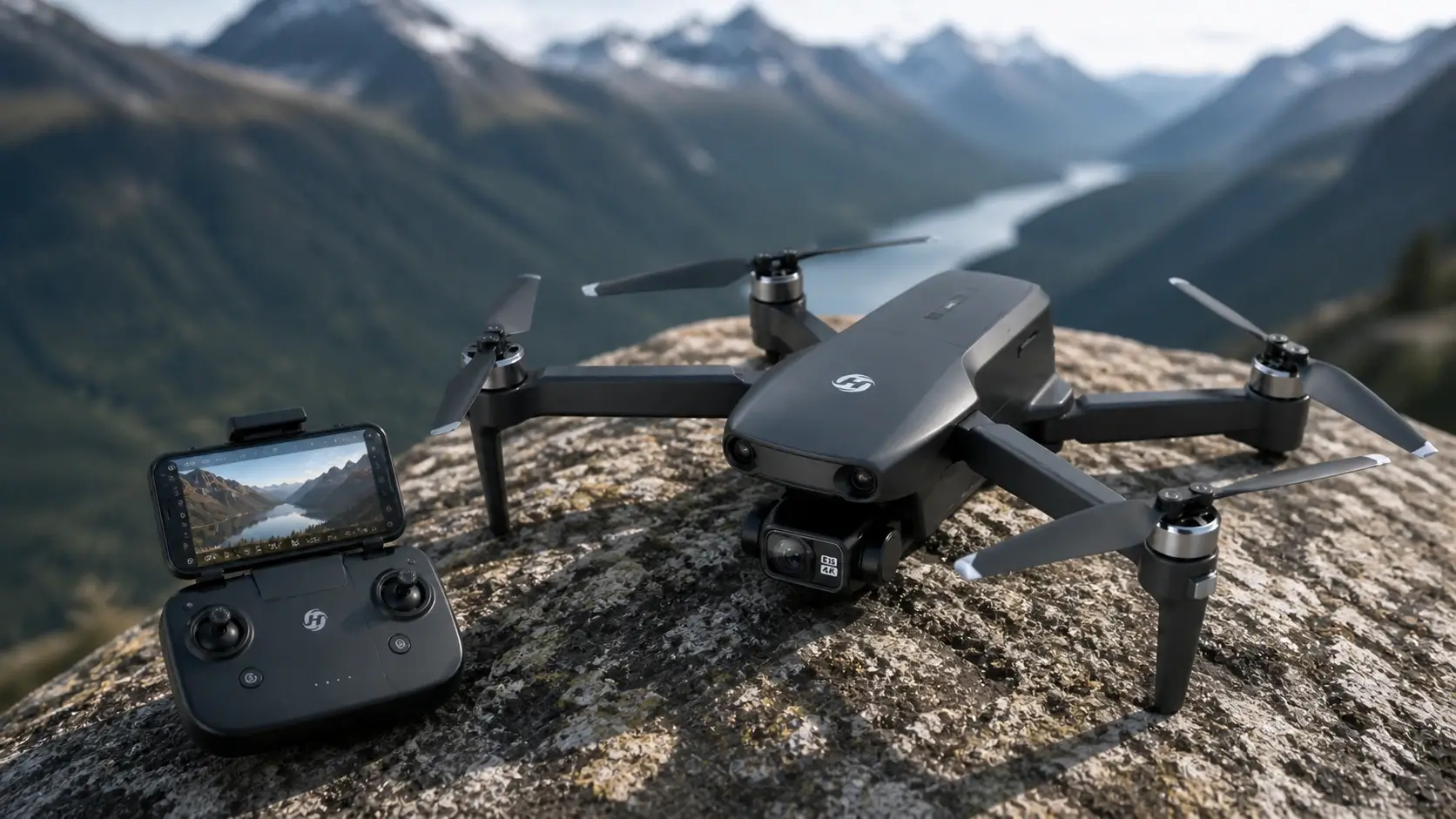
06. Holy Stone HS900PRO
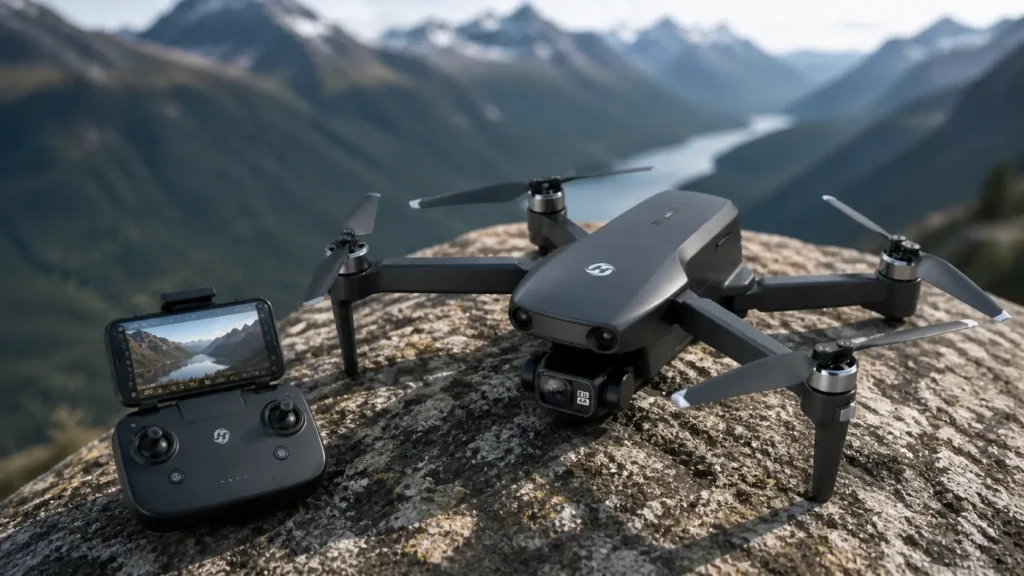
The Holy Stone HS900PRO is one of the most capable non-DJI budget drones you can buy right now, and it earns a spot on this best budget drones list for good reason. It is priced competitively against the DJI Mini 3 but brings some strong specs to the table including a 48MP camera capable of 4K at 30fps with a 3-axis mechanical gimbal, all packed into a sub-249g body that does not require FAA registration.
The HS900PRO features a 10km transmission range on 5.8GHz, AI Quick Shots for automated cinematic moves, and GPS Auto Return for reliable safety. Holy Stone claims 60 minutes of combined flight time across batteries, though real-world single battery performance is likely closer to 22 to 26 minutes based on the standard HS900’s independently tested results.
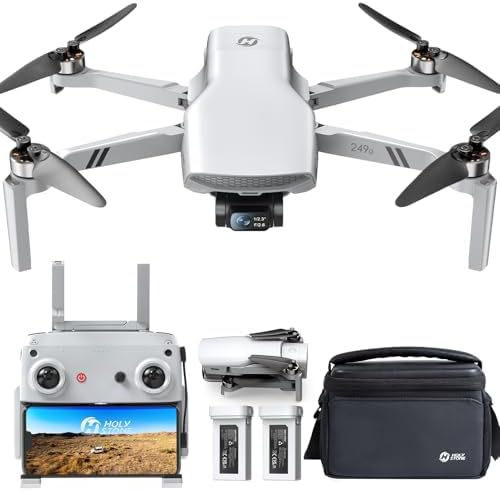
Where Holy Stone drones typically fall short is obstacle avoidance, which the HS900PRO also lacks, and after-sales support that does not match DJI’s level. That said, for a beginner who wants high photo resolution and a long transmission range without paying DJI prices, the HS900PRO is a serious option. Beginners who want maximum photo resolution and range in a sub-249g drone without DJI pricing.
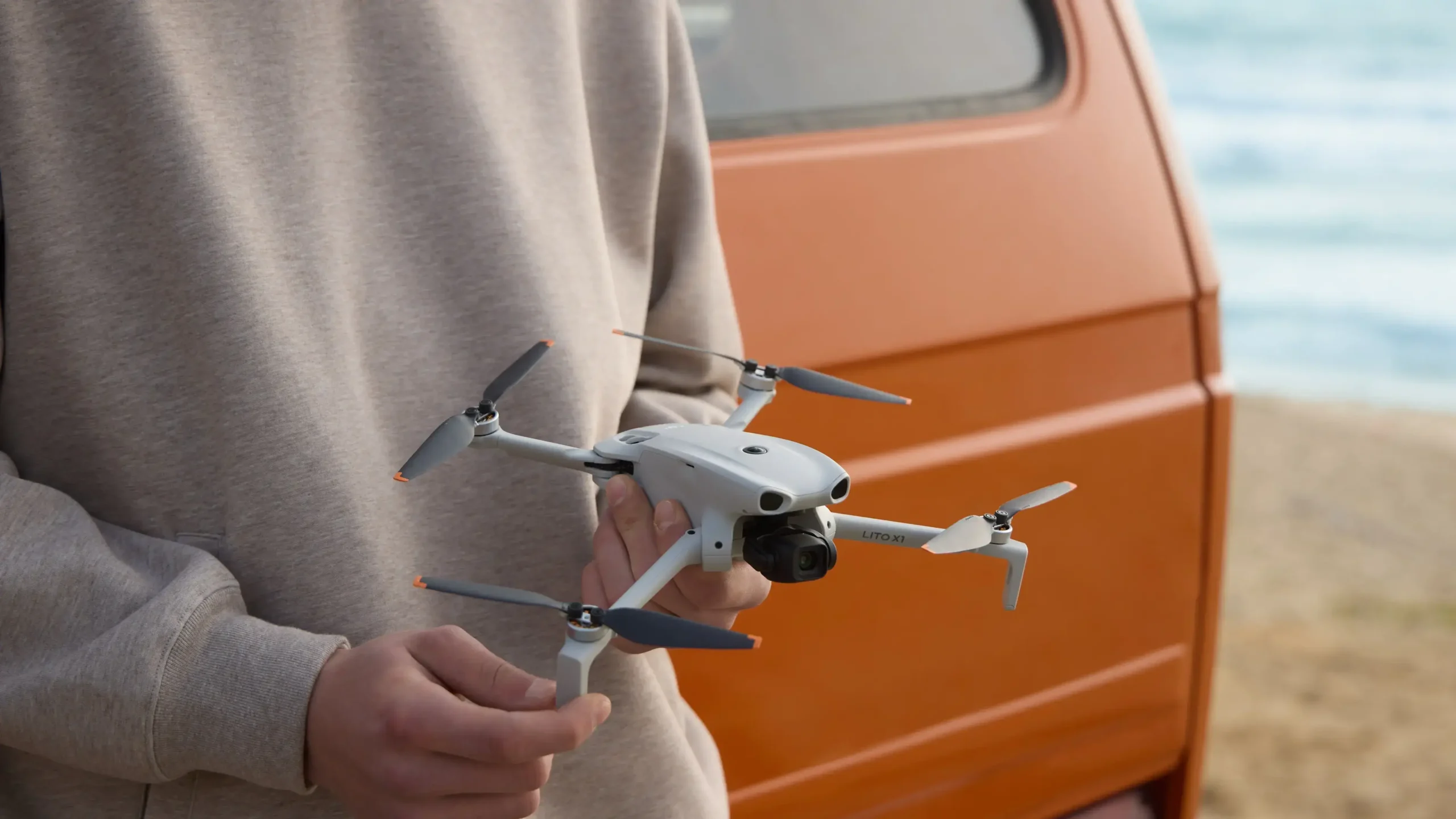
07. DJI Lito X1
The DJI Lito X1 is priced at $379 standard and $539 for the Fly More Combo. Before anything else, know this: it is not officially available in the United States and can only be sourced through grey market channels. If you are outside the US, however, this drone is worth prioritizing over most options on this list.
It weighs under 249g so no registration is required. The 1/1.3-inch sensor shoots 4K at 60fps with 10-bit D-Log M and 14 stops of dynamic range, matching the DJI Flip on camera quality. What truly sets it apart for beginners is safety: the Lito X1 includes full omnidirectional obstacle sensing plus a forward-facing LiDAR sensor, making it the most crash-resistant drone on this entire list at this price.
The 42GB built-in storage means you can fly without worrying about memory cards. Flight time realistically lands around 28 to 32 minutes on the Plus battery. The weaknesses are a default tendency to overexpose and no native vertical video shooting, minor frustrations but worth knowing before you buy.This drone will be Best for Beginner creators outside the US who want the safest, most capable sub-$400 drone available.
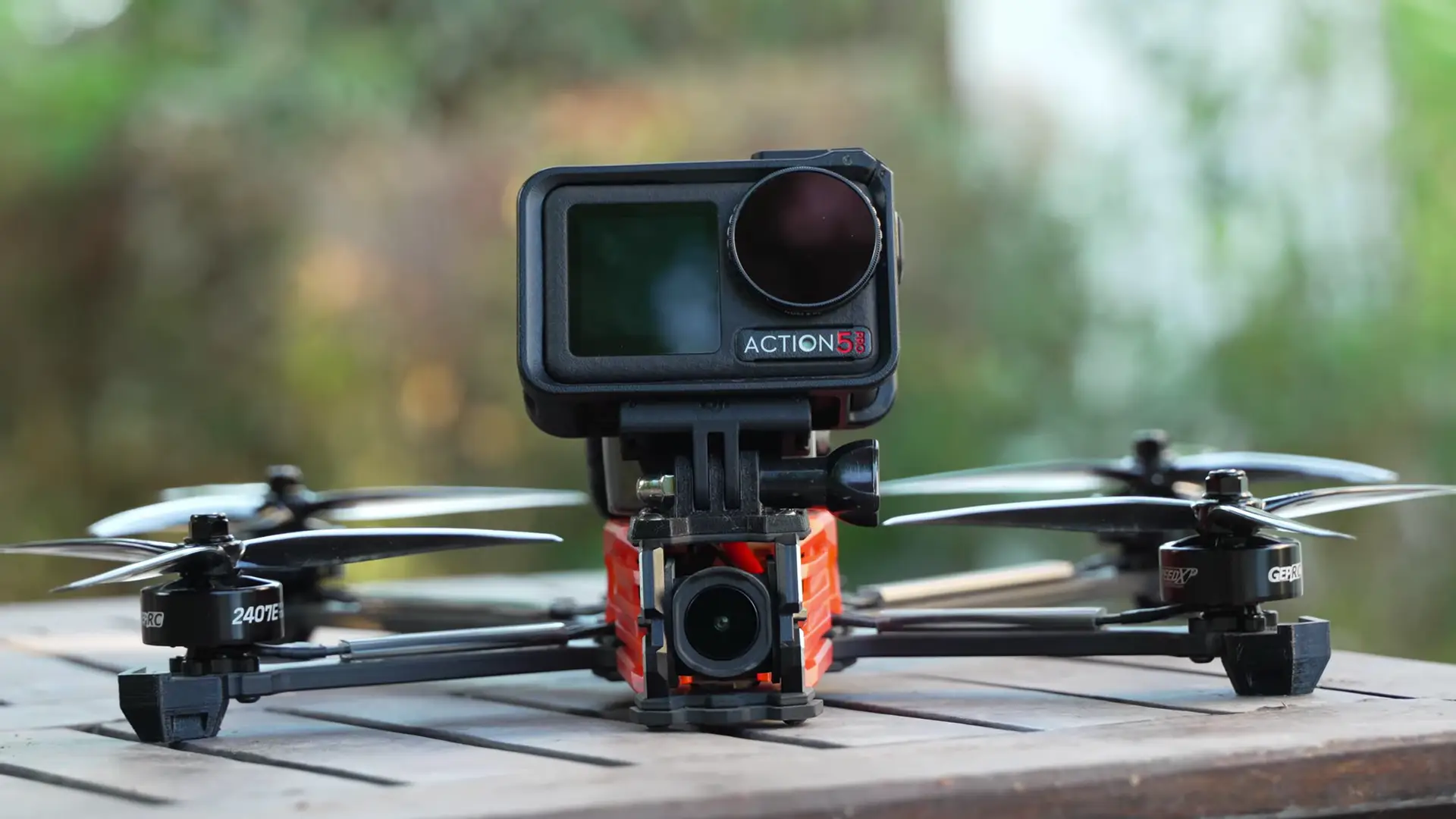
08. GEPRC Vapor D6 (O4 Pro)
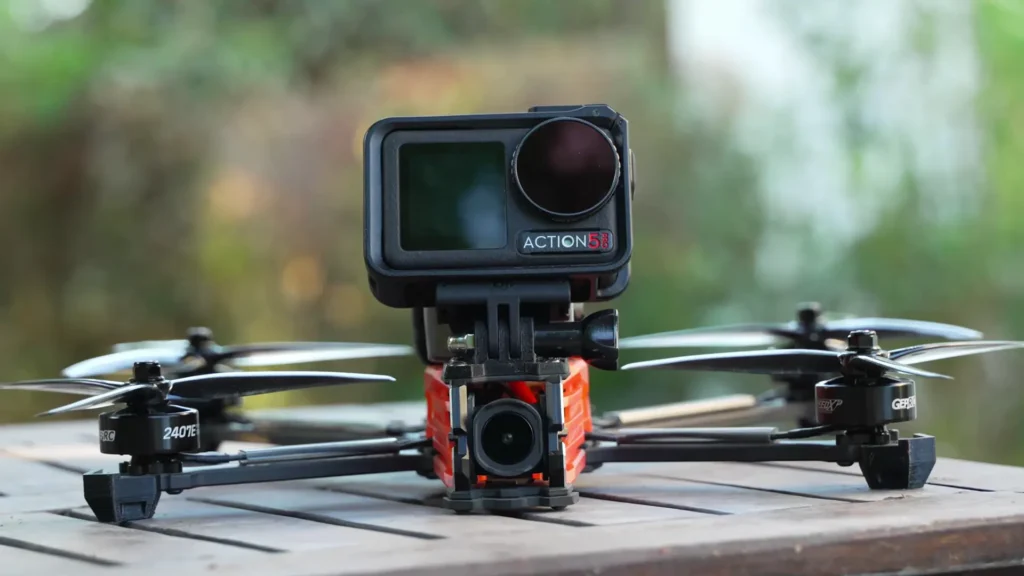
The GEPRC Vapor D6 is the only FPV drone on this list and it earns its place. Starting at $429.99, it is aimed at beginners who are specifically curious about FPV flying rather than traditional camera drones, and if that is you, this is one of the most accessible entry points into cinematic FPV available right now.
The Vapor D6 uses a dead cat frame design, which positions the propellers outside the camera’s field of view, something that matters a lot for clean cinematic footage. It is powered by the DJI O4 Air Unit, which provides low-latency HD video transmission with excellent clarity and range. The Crossfire receiver setup gives you rock-solid control link reliability even at distance. Weighing 465g, it does require FAA registration unlike the sub-249g drones above, so keep that in mind.

Flight time sits between 13–16 minutes depending on which battery configuration you use, noticeably shorter than the camera drones above, which is typical for FPV. What it trades in flight time it makes up for in versatility. The Vapor D6 handles high-altitude flights and challenging terrain better than most entry-level FPV options, and the built-in GPS rescue means if you lose signal or control, the drone will automatically return home rather than crashing. That safety net is genuinely valuable when you are learning FPV.
It is worth being clear. FPV flying has a steeper learning curve than flying a standard camera drone like the Mini 4K. If you have never flown at all, start with a traditional drone first. But if you already have some flight hours and want to explore the FPV world without spending $800+, the Vapor D6 is one of the most sensible entry-level FPV drones money can buy right now.
Read More: GEPRC Vapor D6 Review
Beginner to intermediate pilots who specifically want to get into cinematic FPV flying on a budget.
How to Choose the Best Budget Drone
Before buying a budget drone, the most important factor to consider is your experience level. If you are a complete beginner, prioritize ease of use and reliability over raw specs. A drone from a trusted brand like DJI will give you a more predictable flying experience, better app support, and more consistent firmware updates compared to lesser-known alternatives.
You should also check whether the drone requires FAA registration. Models weighing under 249g skip that requirement entirely, which removes one barrier for new pilots who just want to get in the air quickly. Beyond that, think about what you actually plan to film. Casual flyers and social media creators will be well served by a standard 4K camera, while anyone serious about color grading should look specifically for 10-bit D-Log M support.
Budget and value packaging matter just as much as the drone itself. Some models include two batteries in the base price while others charge extra for a Fly More Combo, so always compare what you are actually getting per dollar.
Flight time is another area where manufacturer claims rarely match real-world results, so subtract roughly 20 to 25 percent from any advertised figure when planning your flights. Ultimately, the best budget drone is the one that matches both your skill level and your specific shooting goals.
Final Verdict
Choosing the best budget drones comes down to what matters most to you. For most beginners, the DJI Mini 4K remains the safest and smartest starting point, reliable, lightweight, and genuinely capable under $300. If camera quality is your priority, the DJI Mini 3 and DJI Flip both deliver impressive results without crossing the $500 mark. Alternatives like the Potensic Atom 2 and Holy Stone HS900PRO are worth considering if you want more resolution at a competitive price.
Whatever you choose from this best budget drones list, stick to drones with mechanical gimbal stabilization and GPS, as those two features alone will make your early flights significantly more enjoyable.
Read More: