It is amazing how quickly time flies. Two years have passed since the release of the DJI Air 3S, and after using this drone consistently throughout that entire period, it is time to share a complete long-term review based on real-world experience.
From wedding shoots to paid corporate projects, this drone has been through it all, and the results have been nothing short of impressive.
Table of Contents
First Impressions That Still Hold Up
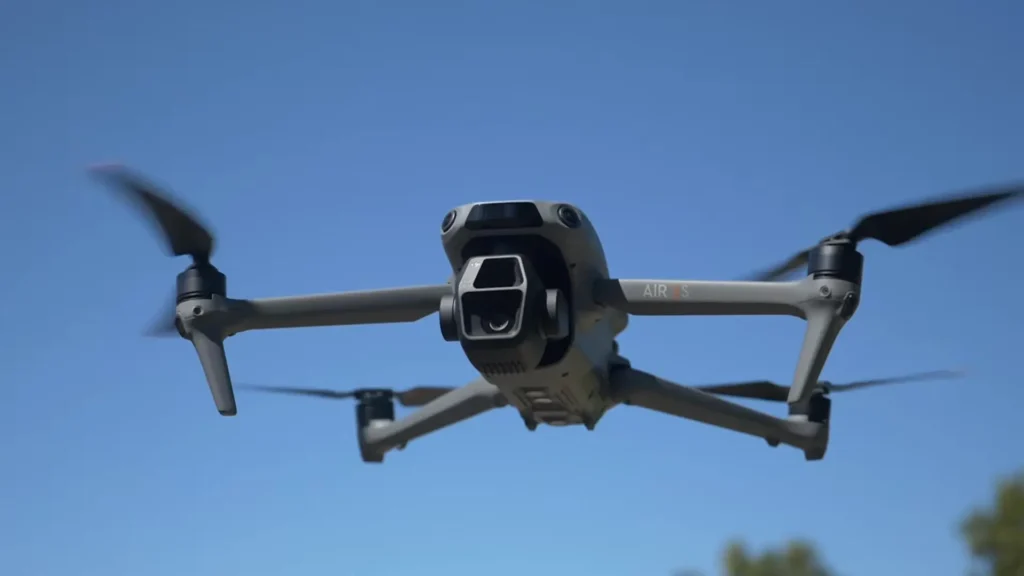
What stands out most about the DJI Air 3S is its compact folded size combined with a genuinely professional feature set. This is a dual camera system capable of handling virtually any flying condition you can imagine.
It comes packed with professional-grade features, including omnidirectional obstacle avoidance that works even in very low-light conditions, making it one of the most capable drones available at its price point.
After two years of updates, the firmware has introduced some new features and repositioned certain settings, but nothing has changed so drastically that it contradicts the original review. In terms of quality, longevity, and performance, this drone has been rock solid and has never once let things down.
Why the DJI Air 3S Was Chosen for a Wedding Shoot
Recently, this drone was the first choice when scouting a wedding venue and deciding which drone to bring along. The reasoning was simple. The DJI Air 3S delivers the best value for money when it comes to professional features in a portable body, and it is also an incredibly quiet drone. Both of those qualities matter enormously in a wedding environment.
Using the zoom lens made it possible to stay at a comfortable distance from the ceremony itself. The drone was quiet enough in the sky that it did not interrupt the intimate moments taking place below.
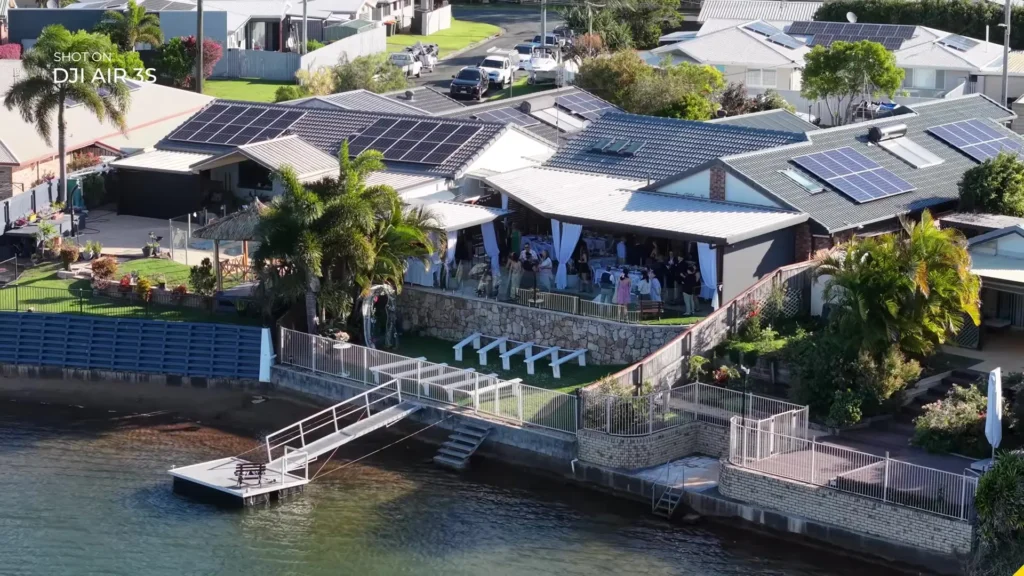
When flowers were being scattered and petals were flying through the air, the medium telephoto zoom combined with slow-motion recording produced stunning results. Staying far from the ceremony while still capturing those unique, close-up moments is exactly where this drone proves its worth.
Value for Money Across All Skill Levels
Over the past two years of reviewing the newest and best drones on the market, there has often been a tendency to recommend options like the Neo or Mini series because they are more portable, lighter, and smaller. Those remain solid choices, especially for travel-focused users or anyone who wants a truly compact setup.
However, when thinking carefully about overall value, the DJI Air 3S consistently rises to the top. If saving a little extra money is possible and the weight regulations in your country are not a concern, this drone meets every requirement for beginners while also satisfying the needs of more advanced and even semi-professional users.
It looks professional, it is compact enough to slip into a bag, and the dual camera system allows you to maintain distance from subjects while staying quiet in the sky.

Dual Camera System
The dual camera system is where the DJI Air 3S genuinely separates itself from the competition. The primary camera features a one-inch CMOS sensor capable of capturing 50-megapixel photos. It is equivalent to a 24mm lens with a fixed F/1.8 aperture. While the aperture is not adjustable, the sensor size gives it excellent low-light performance.
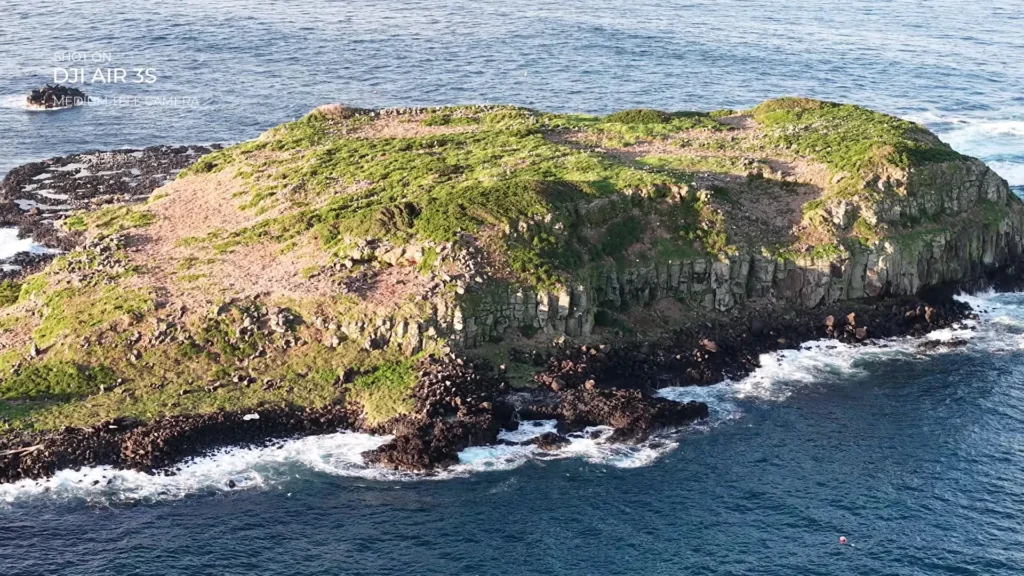
The secondary camera is a medium telephoto zoom equivalent to 70mm with a fixed F/2.8 aperture. It captures 48-megapixel photos and records 4K video at 60 frames per second with HDR support. It also supports 10-bit D-Log M color capture, just like the primary system.
Both cameras offer remarkably similar specifications, and the fact that they work together so seamlessly is one of the biggest advantages of this drone. Even two years later, this dual camera setup remains the favorite system to shoot with on any drone.
The medium telephoto zoom in particular opens up entirely new creative angles that you simply would not have access to with a single wide-angle camera. For anyone transitioning from a single-lens drone to this system, the versatility is immediately noticeable.
Slow Motion and Advanced Shooting Modes
Beyond the standard camera specifications, the DJI Air 3S also supports 4K slow-motion recording at 120 frames per second. This has become one of the most frequently used features, especially with the medium telephoto zoom.
During the wedding shoot, capturing slow-motion footage with the zoom lens while orbiting around the moment created cinematic results that would have been impossible to achieve otherwise.
The drone also includes a range of QuickShot modes that DJI users have come to love, as well as the ActiveTrack 360 feature first seen on the Mini 4 Pro. This mode gives you two virtual lanes, essentially two parallel tracks, and allows you to select a close or far tracking distance while choosing the direction from which the drone follows you.
With each tap, the drone adjusts its position accordingly. It is a genuinely unique feature that continues to work flawlessly.
Subject Focus
One of the most appreciated features on the DJI Air 3S is Subject Focus. The drone draws a box around a selected subject and ensures that subject always remains sharp and in focus.
In older drones, focus hunting was a persistent minor issue. If something appeared in the foreground during a flight, the focus could shift away from the intended subject. Subject Focus solves this problem entirely.
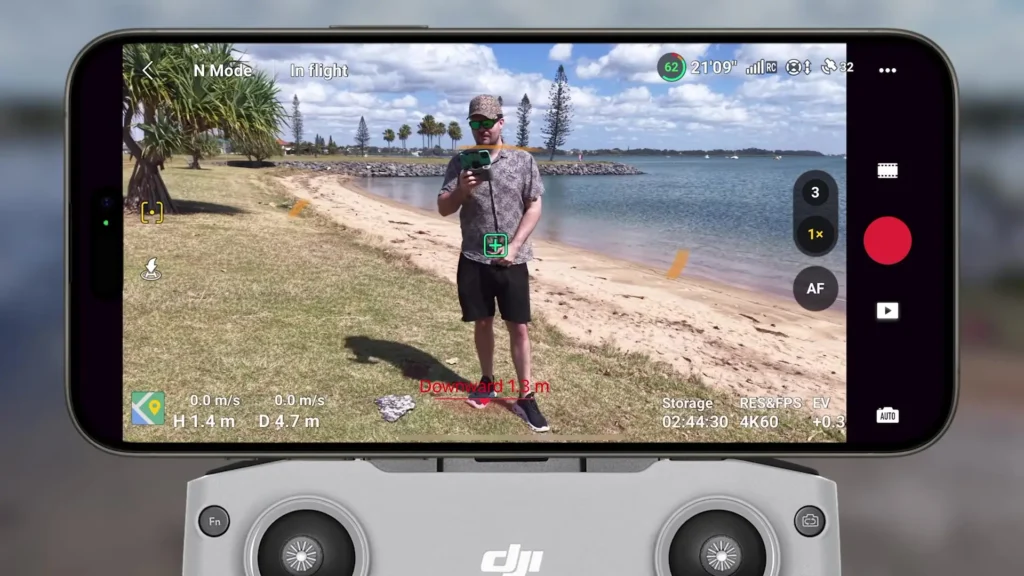
In a wedding environment, this becomes particularly important. There are multiple subjects, background distractions like buildings and water, and fast-moving moments that cannot be repeated.
The fact that the drone locks onto people and maintains that focus consistently provides extraordinary peace of mind when capturing once-in-a-lifetime moments.
Build Quality and Flight Performance
After two years of use in a wide variety of environments, the build quality of the DJI Air 3S remains impressive. Holding it in hand, it still feels premium. The folding mechanisms are as smooth as the day it arrived. The arms are rigid and solid, and there have been no issues with warping, motor problems, or any structural deterioration whatsoever.
In terms of flight performance, this is one of the best drones tested overall. Even when compared to the Mavic 4 Pro, which is DJI’s flagship model, the Air 3S handles similar wind conditions with confidence.
It is highly responsive to all inputs, holds its position like a rock in gusty conditions, and the noise level does not increase dramatically even when fighting against wind. Its wind resistance rating is genuinely comparable to DJI’s flagship offering.
Omnidirectional Obstacle Avoidance and Nightscape
The Nightscape omnidirectional obstacle avoidance system includes sensors in every direction, plus a LiDAR sensor at the front. This means the drone can detect and avoid obstacles in extremely low-light conditions.
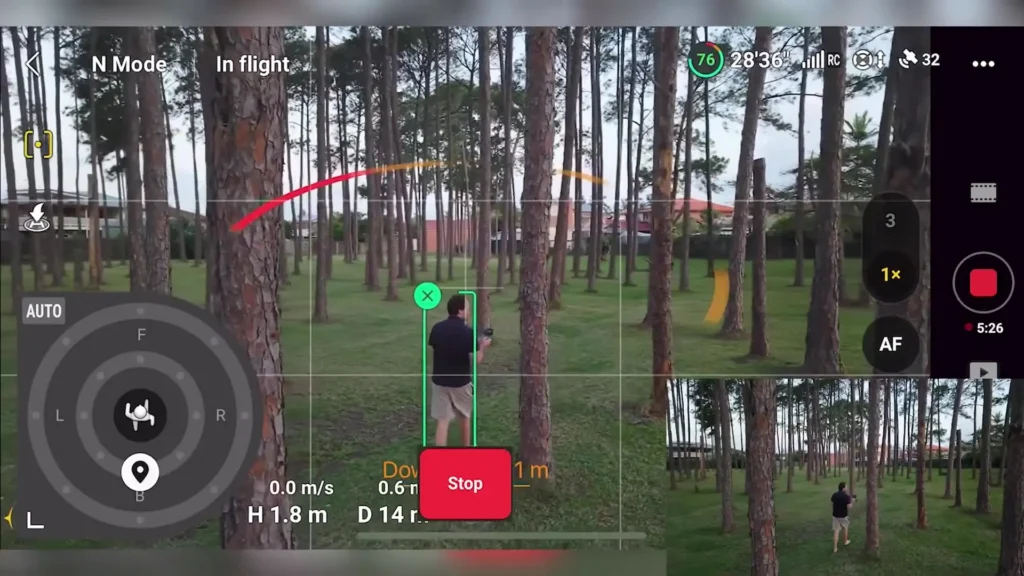
Testing has confirmed that the obstacle avoidance performs flawlessly in virtually every scenario encountered. A dedicated obstacle avoidance test video is available on the channel for anyone wanting a deeper look at this capability.
4G Connectivity and Future-Proofing
One feature that was tested after launch is the optional 4G connectivity module. By removing the top panel and installing a 4G unit inside, the drone gains an additional communication channel.
If the controller loses signal, the 4G connection takes over, extending range and reliability especially in areas crowded with competing wireless signals. This is a thoughtful addition that adds a layer of confidence for professional shoots in complex environments.
Battery Life and the Fly More Combo
The 45-minute flight time is another major advantage of the DJI Air 3S. During the wedding shoot, the extended battery life allowed for more relaxed flying, more creative angles, and less pressure to rush shots.
When the battery ran low, landing, swapping batteries, and relaunching took only one to two minutes. The Fly More Combo, which includes three batteries, a charging hub, and a carry bag, is strongly recommended. It makes the entire package significantly more capable and is a much smarter long-term investment.
Key Specifications
| Specification | Details |
|---|---|
| Video Resolution | 4K at 60fps |
| Slow Motion | 4K at 120fps |
| Primary Sensor | 1-inch CMOS |
| Primary Photo Resolution | 50 Megapixels |
| Primary Lens Equivalent | 24mm, F/1.8 fixed |
| Secondary Camera | Medium Telephoto Zoom |
| Secondary Lens Equivalent | 70mm, F/2.8 fixed |
| Secondary Photo Resolution | 48 Megapixels |
| Color Profile | 10-bit D-Log M |
| Max Transmission Range | 15 km |
| Max Flight Time | 45 Minutes |
| Obstacle Avoidance | Omnidirectional with LiDAR |
| Noise Level | 81 dB |
| Connectivity Option | Optional 4G Module |
Final Verdict After Two Years
It is genuinely remarkable to think that two years have passed since the DJI Air 3S launched, and it is still one of the easiest drones to recommend to almost anyone. It remains a primary drone in the lineup, with zero mechanical issues, consistent performance, and footage quality that continues to impress.
For most people looking to buy a drone, whether they are beginners just getting started or intermediate users taking on paid work, the DJI Air 3S hits a sweet spot that very few drones can match. The Mavic 4 Pro is the clear winner for full-time professionals and video production companies, but for everyone else who wants a capable, versatile, quiet, and portable drone that is ready for both creative adventures and paid shoots, the Air 3S is the recommendation without hesitation.
Read More: HOVERAir AQUA Testing