
Let me be straight up real with you. When I first got my first drones, I was doing everything absolutely wrong with the batteries. I was charging them straight after every hot flight. I was storing them at 100%. I was always flying them down to zero every single time. I genuinely thought I was being a good pilot. Well, turns out I wasn’t.
Today, I’m breaking down everything you need to know to keep your Neo 2 batteries, and your other drone batteries, healthier for longer. So you can get more flights, safer flights, and actually protect your own investment. This is the stuff that separates casual flyers from pilots who actually know their gear.
Understanding What You’re Working With
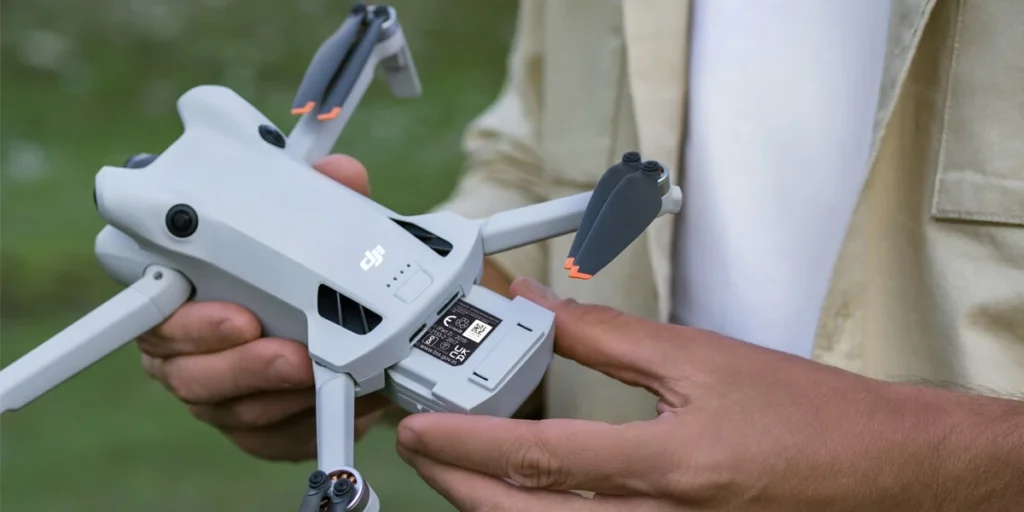
Before anything else, let’s understand what we’re actually working with. The DJI Neo 2 intelligent flight battery runs on lithium-ion chemistry, sits at around 1,600 mAh, 7.16 volts, and roughly 11.5 watt-hours. DJI claims you’ll get around 19 minutes of flight time, but that’s with a brand new battery, in perfect conditions, with probably no wind, and flying nice and smooth. In the real world, expect less, and that’s completely fine as long as you understand why.
Here’s the thing about lithium batteries that nobody warned me about when I first started: they age. Every single one of them. It’s not a question of if they’ll degrade, it’s a question of how fast. And that’s almost entirely in your hands.
How DJI Actually Counts Battery Cycles
This is the first thing that trips most people up, and it’s the concept of battery cycles. Most of us assume that one flight equals one cycle. You drain it to zero, and that counts as one cycle. But DJI doesn’t see it that way.
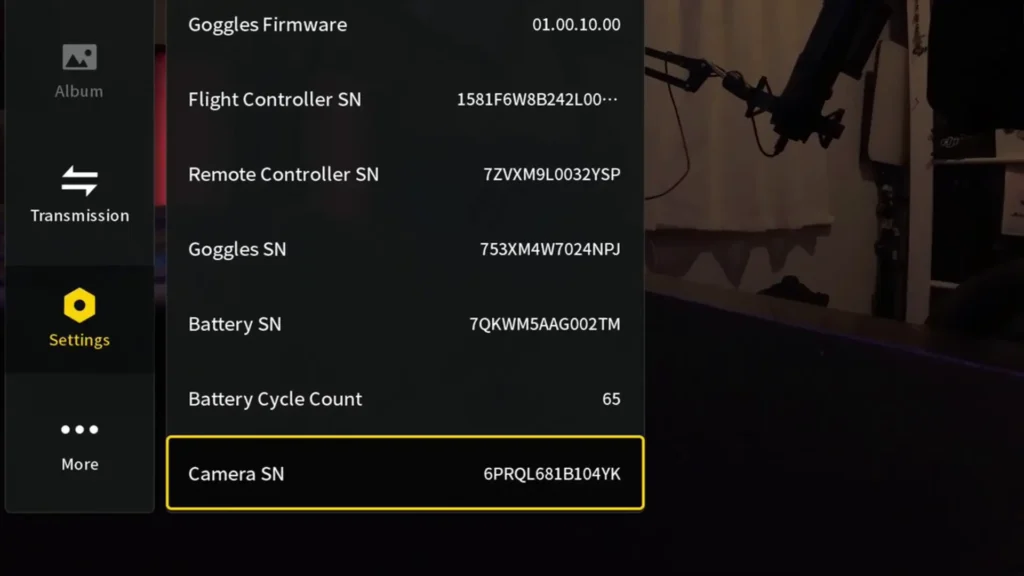
DJI counts one cycle every time 75% of the total battery capacity has been used, and that’s combined across multiple flights. So let’s say you fly 25% today and 50% tomorrow. That’s one full cycle. Now why does this matter? Because you might think you’re being smart by never draining your battery fully, but those partial flights are still adding up. Your battery knows, and it’s always counting. Once you understand that, you start flying a little bit smarter.
When Do Drone Batteries Start Degrading?
Real talk. When should you expect your battery to start feeling different? Most DJI lithium batteries, when treated normally, start showing noticeable degradation somewhere between 300 and 500 cycles, or roughly around two years of regular use. But here’s the catch: “treated normally” is not what most pilots are actually doing.
Storing them fully charged for weeks at a time degrades them. Leaving them in a hot car after a summer shoot degrades them. Charging them while they’re still warm from your last flight degrades them. The signs creep up on you gradually. You start getting shorter flights. Your battery runs warmer than usual. The percentage drops weirdly fast in the last 20%. And in the worst cases, you get swelling.
If your battery ever swells, it is not a “monitor it” situation. It is a completely retire it immediately situation. Swollen LiPo batteries are a genuine fire risk, so do not mess around with that.
Read More: Best DJI Drone Battery in 2025
How to Properly Care for Your Neo 2 Batteries
Now let’s talk about how to actually prevent your batteries from getting there too soon. There are four things to focus on, and they’re all simple, actionable, and easy to build into your routine.

Stop storing them fully charged
If you’re not flying within the next 10 days, do not leave a battery sitting at 100%. The sweet spot for storage is around 40 to 65%. After around 8 days, DJI batteries naturally lose around 20% charge on their own, so leaving them stored at around 45 to 60% is ideal. But don’t leave them empty either, because that damages the cells too. Not full, as that stresses them, and not empty, as that damages them. You want that mid-range. Think of it like this: you don’t sleep in full sprint mode, and your battery doesn’t want that either.
Let it cool before you charge it
You’ve just had a great flight, you’re buzzing, and you want to juice it back up and go again. Give it about 15 to 20 minutes first. A battery coming off a flight is warm, sometimes genuinely hot, and charging heat on top of heat is extra stress that compounds over time. It’s a simple habit, but it makes a big difference in the long run.
Stop landing at zero
You are not winning anything by squeezing out every last percentage. Landing at 20 to 25% should be your consistent target. Those last few percentages put the cells under real strain. You’re not getting better footage down there. You’re just burning life out of your battery with every flight you push it that far.
Refresh your cycle every few months
Every three months or so, fully charge the battery to the max, fly it down to around 20 to 30%, and then recharge it fully again. This isn’t about flight time. It’s about keeping the battery’s internal calibration accurate. It keeps the cell balance healthy and makes sure that the percentage readings you’re seeing in the DJI Fly app are actually trustworthy. A calibrated battery is a battery you can rely on in the field.
Read More: 6 Best Ways To Boost Your Drone Battery Life
How to Check Your Battery Health
Here’s something that most people never do, and once you start, you’ll wonder why you didn’t do it earlier. Open up the DJI Fly app and go into your battery info. Check the cycle count, and then start logging it. I know that sounds boring, but even a simple note on your phone with the date, flight time, and battery percentage used is enough. After a month, you’ll have a real baseline. After six months, you’ll know exactly how your battery is aging.
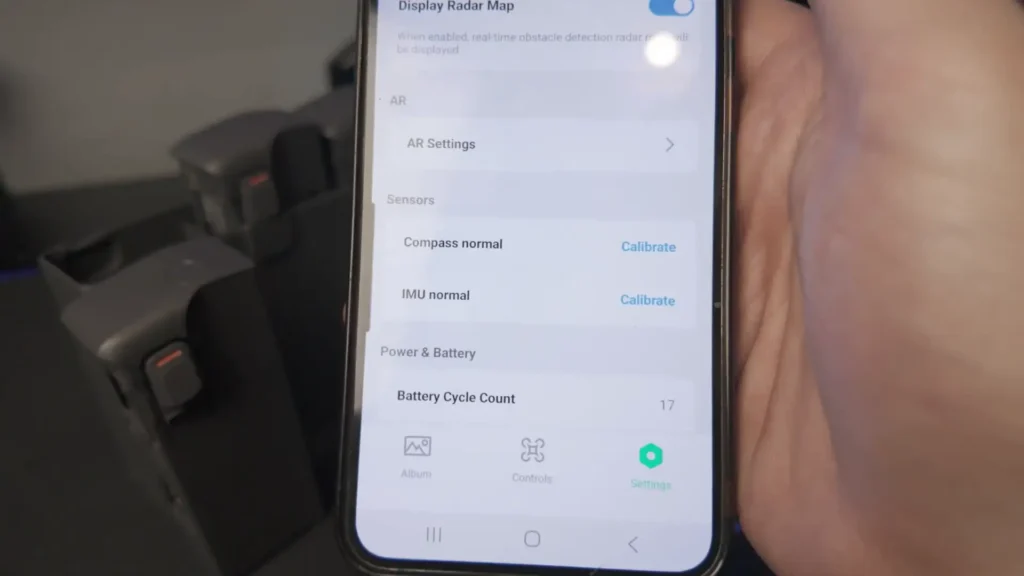
The test that really tells you the truth is this: fully charge your battery, fly normally, and note the total flight time. Do that again three months later. If it has dropped by 20 to 30% compared to your original flight time, that battery is aging faster than it should be. And now you know. You’re not guessing, and you’re not getting caught off guard mid-flight.

The 5 Biggest Mistakes Drone Pilots Make With Batteries
Leaving it in a hot car is at the top of the list. Summer heat inside a closed car can hit around 60 to 70 degrees Celsius. That is brutal for lithium cells and does serious long-term damage. Charging while still hot is the second one. We’ve already covered this, but it’s worth repeating: let it breathe after a flight before plugging it in.
Storing it at 100% for weeks is the third mistake, and by now you know exactly why. Fully draining it every single flight is the fourth. Landing at 20% protects those cells and extends the usable life of your battery significantly. And finally, using sketchy cables or third-party chargers rounds out the list. Use DJI’s own kit. This is not the place to save a few dollars on a cheap charger. Avoid these five things consistently, and you’re genuinely ahead of the majority of drone pilots out there.
How Many Batteries Should You Actually Own?
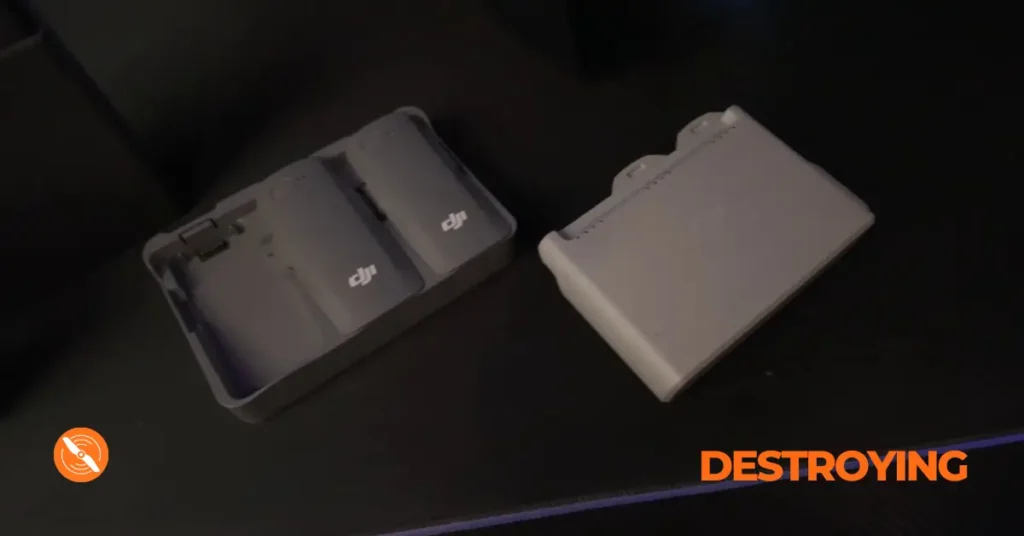
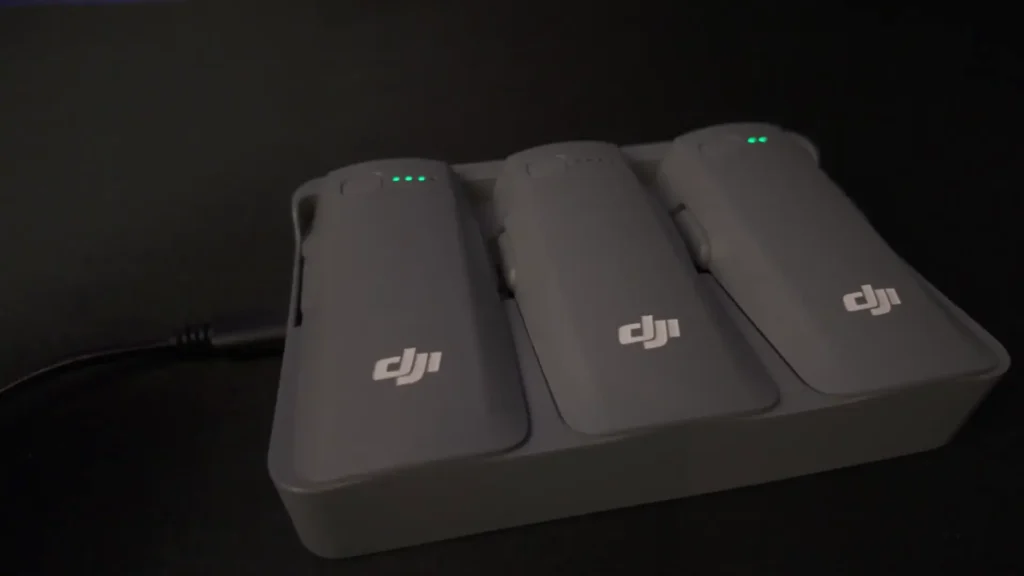
This is a practical question that comes up a lot. If you’re flying regularly, the honest answer is three batteries minimum. And this isn’t just about having more flight time in the field. It’s about rotation.
If you’re hammering the same battery over and over, charging it straight after every flight, flying it again, charging again, you’re stacking heat and stress and cycles right on top of each other. With three batteries in rotation, each one gets time to breathe. Each one lives longer. And honestly, when you’re out on location with three fresh batteries in your bag, the confidence that gives you is worth it on its own.
Table of Contents
Article Summary
I’ve personally had dead and swollen batteries, and I genuinely don’t want that to be your story. These little batteries aren’t glamorous. Nobody buys a drone because they want to talk about battery care. But the pilots who actually understand this stuff are the ones still flying smoothly two or three years later, still getting the shots, and still trusting their gear completely.
Read More: DJI Avata 360 First Firmware Update Is Here