
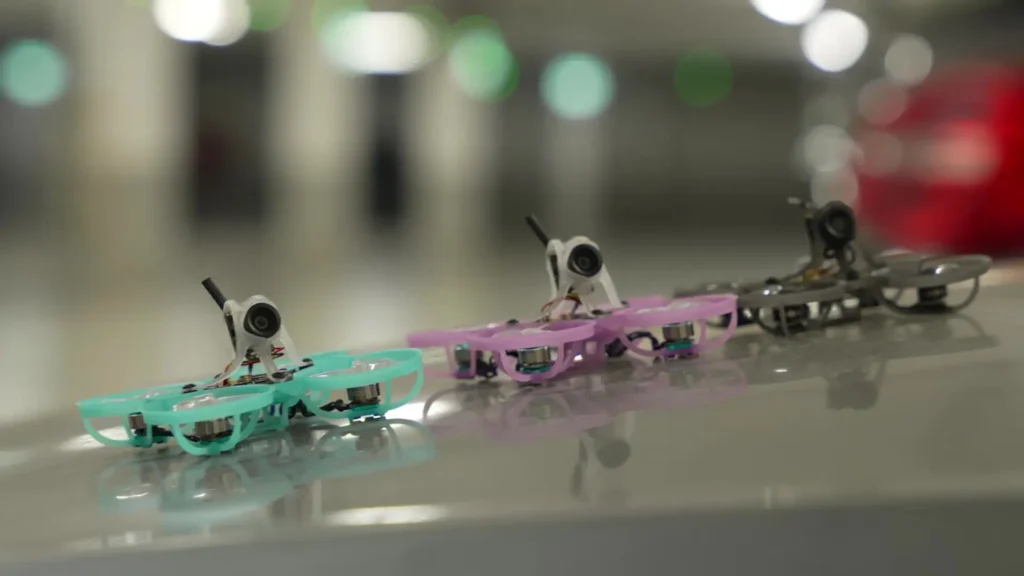
The BETAFPV Air65 II is one of the best tiny whoops you can buy right now. But here is the problem. Because it comes in three different versions, freestyle, racing, and champion, all looking nearly identical, choosing the right one is genuinely confusing. When I needed a replacement for my old tiny whoop, this is exactly what I was stuck deciding between.
And from everything I saw online, no one really gave a clear answer either. So I bought all three, flew them properly, and after real-world testing, one version makes more sense than the others depending on how you fly.
Just a heads-up before we get into it, the footage you will see throughout this article is analog footage, so it will not look amazing, and we will talk about that a little later on.
Table of Contents
Why Tiny Whoops Matter More Than You Think
After years of flying my old Tiny Whoop 3, smashing into walls, chewing up grass, and even earning second place in a Tiny Whoop race, it finally gave up. And of course, it happened at the worst possible time, right when I could not fly outside. That is the thing with tiny whoops.
You do not really think about them most of the time. You go fly bigger drones, and you forget they even exist. But the moment the weather turns or you simply cannot get outside, they are the only thing keeping you in the air.
When the BETAFPV Air65 II launched, it came in three different versions, all priced at around 100 US dollars, except for the champion version which sits at 105. The question I kept asking myself was simple: which one should I get, and which one would actually be right for me? Chances are you have that same question too.
Most creators who received these at launch were only sent the champion version, which did not help answer anything. It left the freestyle and racing versions largely untested in public reviews and made it impossible to know whether they were actually good or whether they were any better than the champion version.
What Do All Three Versions Have in Common?
Before breaking down the differences, it is worth understanding what all three share. They all use the same 65mm frame, the same flight controller, the same VTX and camera, the same onboard ELRS receiver, and they all run on 1S batteries. There is also a bigger version called the S75, but this article focuses entirely on the 65mm versions.
The only real differences between the three versions come down to the motors, the tuning, and the weight. With that in mind, I flew all three in the same environments, both indoors and outdoors, and judged each one on control, power, fun factor, and usability.
The Freestyle Version
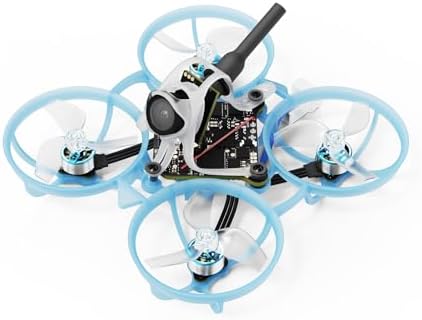
In my opinion, the freestyle version is my favorite and it also flies the best out of the three. The main reason comes down to the props. It has noticeably more grip compared to the other two, and the difference is very clear in the air.
The rates are also faster, which makes flips and rolls much easier to pull off. It is smooth, predictable, and a lot of beginners would genuinely prefer this over the other two versions.
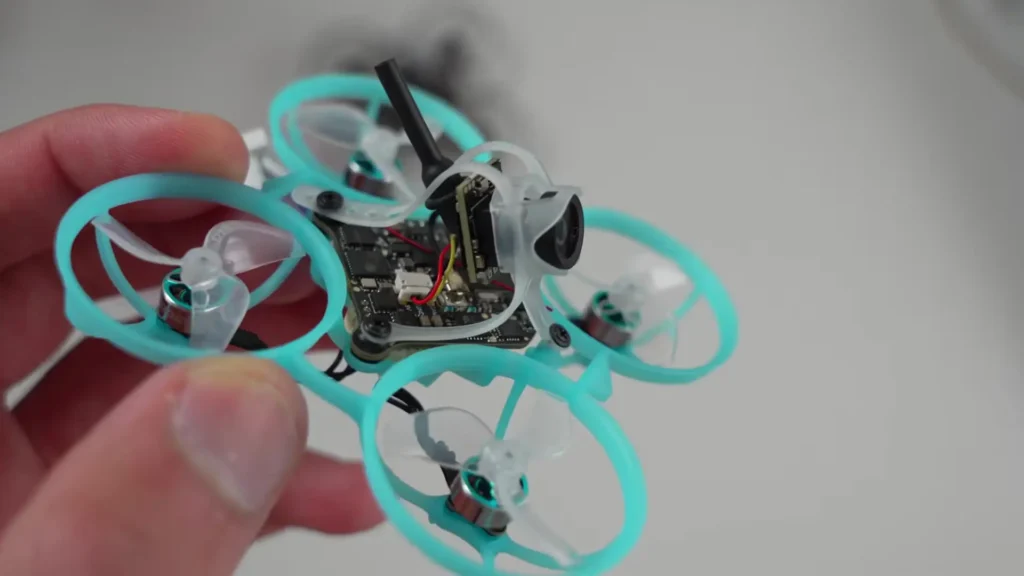
This is the heaviest drone of the bunch, and the props are 0.14 grams per set heavier than those on the other two. That might sound like nothing, but at this scale, it absolutely makes a difference. However, this extra weight has not negatively impacted performance at all. It still flies amazingly well.
If you are a beginner, someone who wants to fly indoors, or someone who wants to create content, this is the version for you. It is the one I enjoyed flying the most across all of my testing sessions.
The Racing Version
The racing version sits in the middle ground between the freestyle and champion versions. It shares the same rates and the same props as the champion, but the differences lie in the motor KV being slightly slower and the overall weight being slightly heavier than the champion.
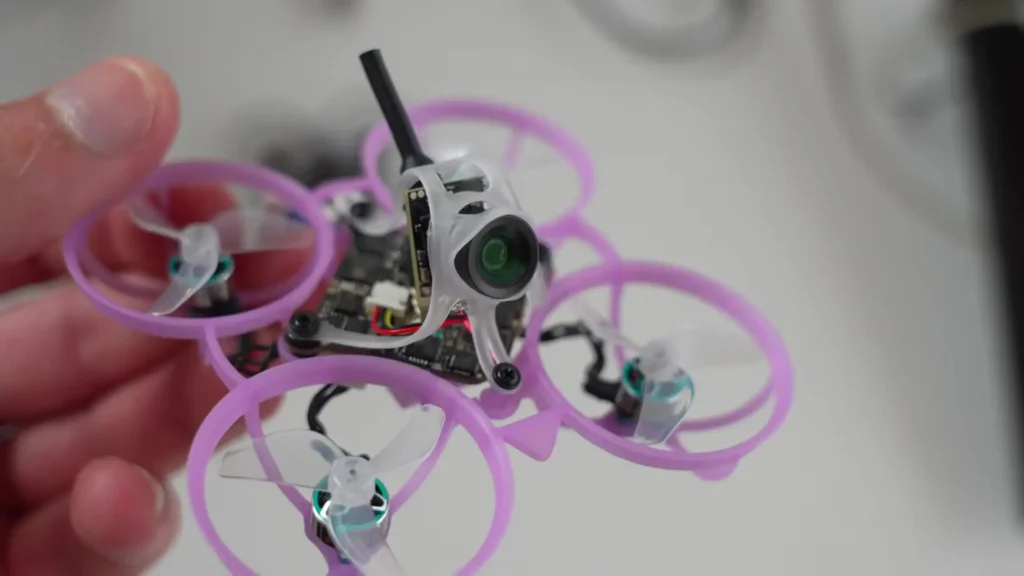
After flying this several times, getting used to how much faster it was compared to the freestyle version came naturally. It can do flips and rolls, but it is clearly tuned for racing, and you can feel that, especially in the turns where the snappier motors really stand out.
If you are planning to race, the slower rates actually help, and in a big open space like an underground parking lot, the speed really shows itself. However, in a tighter space like a room inside your house, this version can feel quite fast and harder to manage.
The Champion Version
The champion version is supposedly the top dog, and that extra five dollar price tag gives you a hint at why. It is noticeably snappier, especially in the yaw and during back-to-back turns, which is likely due to the higher KV motors.
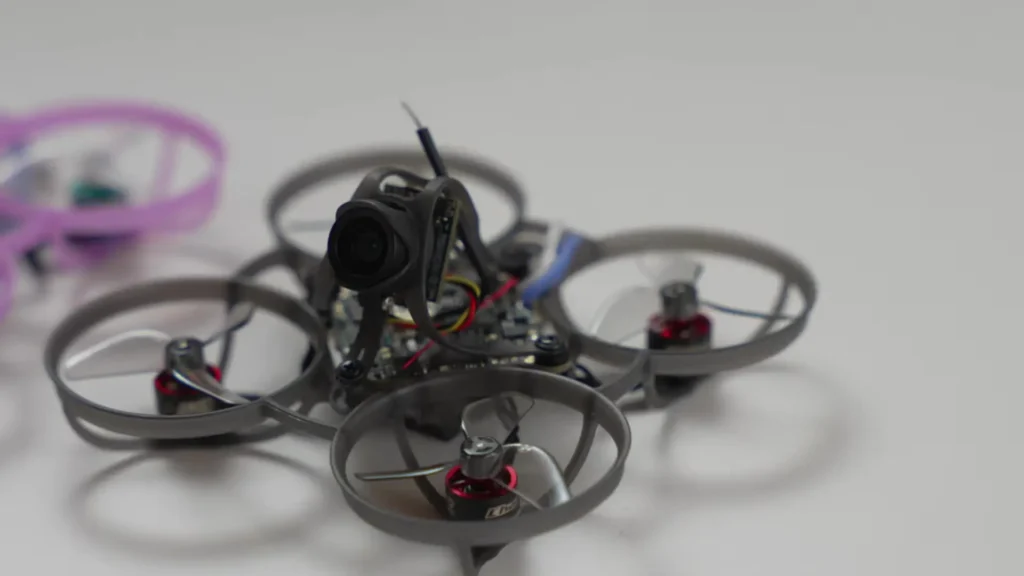
These motors are also dual bearing, whereas the other two use brushed motors. That means lower friction at higher RPM, more consistent performance, better efficiency under load, and a longer lifespan overall.
The champion is also the lightest of the three at 16 grams, and that one gram difference compared to the other two is definitely noticeable, especially when flying outdoors.
Betafpv also chose to solder the motors directly to the board rather than using plug-and-play motors like the other two versions, which shows just how serious they were about saving weight. Even the frame has slight differences, including the removal of the triangle plastic pieces at the front and rear and one fewer prong on the ducts.
The downsides of the champion version are a shorter flight time and a harder experience indoors. It feels aggressive and twitchy, which makes it less enjoyable for casual flying or for anyone who is newer to FPV.
Read More: DJI Avata 2 vs GEPRC Vapor-D5
Two Key Insights After Flying All Three
There are two important things I noticed after testing all three versions back to back, and they are worth understanding before making your decision.
The first insight is that there are two types of fast. The freestyle version has faster rates, but it feels far more comfortable and controllable, especially for beginners, because of the extra grip those props provide.
The racing and champion versions have slower rates, but because they run faster motor KV, they are much quicker in terms of top speed. Rate speed and motor speed are two very different things, and they create completely different flying experiences.
The second insight is that more power does not automatically mean better. Indoors, too much power actually makes the drone harder to enjoy, and this is where most people will end up preferring the freestyle version over the other two.
Real-World Flight Times
The claimed flight times for all three versions sit between 4 minutes 30 seconds and 5 minutes. However, from my real-world testing flying all three back to back, I was consistently getting around 3 to 4 minutes on average, with 3 minutes 30 seconds being the most common result.
I also tested the champion version with the freestyle props to see how it would handle, but this negatively impacted the flight time, bringing it down to around 2 to 3 minutes.
Later in this article, I will cover how you can extend your run time and fly these drones back to back without long breaks.
How Durable Is the BETAFPV Air65 II?
If you are new to tiny whoops, you are probably wondering whether these drones can actually take a hit or whether one crash is going to break everything.
From my experience flying all three versions with plenty of crashes and spins along the way, there has been no major damage whatsoever. There are a few scuffs and battle scars, but none of it has impacted flight performance in any way.
So if you pick one up to fly inside your house and accidentally clip your mom’s favorite vase, the drone is most likely just going to ping off, fall on the floor, and be ready to fly again the moment you flip it back over.
Camera Angle and Image Quality
Out of the box, I found the camera viewing angle a little too steep on all three versions. It was sitting at the second to last adjustment point, so I simply unscrewed it and moved it to the very last point. This makes controlling the drone a lot easier, especially for beginners flying at lower speeds indoors.
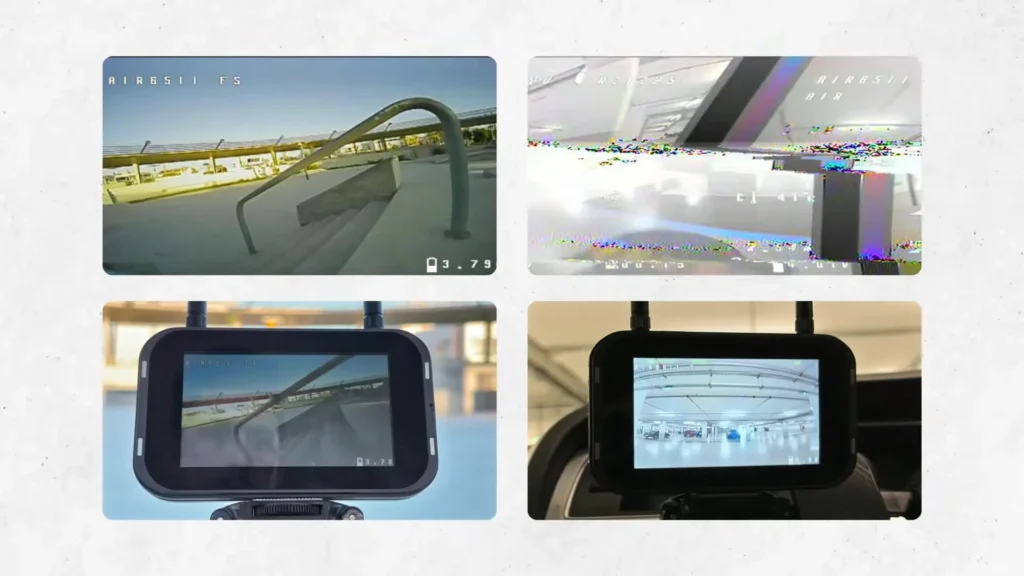
It is also important to note that these are analog drones. The image quality is not going to come anywhere close to a digital system like DJI, but that is exactly why they are priced the way they are. If you are thinking about picking up a pair of goggles to go with these, I would suggest going with BETAFPV VR04 Goggles, which are far more affordable. Even though they are box goggles, they will absolutely get the job done.
The cameras themselves actually have very good low-light performance, which is genuinely impressive compared to even some action cameras. The dynamic range is on the weaker side, so heavy contrast between light and shadow will be noticeable, but it is not a major concern for how these drones are typically used.
The connection throughout my testing was solid, and I had zero signal dropouts for both video and ELRS, even while flying at the far end of an underground parking lot. For the money you are paying, these are solid and reliable drones.
Read More: Beta FPV Aquila 20 HD FPV Kit Review
What Is in the Box?
When you pick up any version of the BETAFPV Air65 II, here is what you will find inside the box. You get the drone itself, a set of spare props, a spare canopy, a USB-C adapter with a 5-pin cable, some hardware, and that is about it.
Batteries and What to Expect
The recommended batteries for these drones are the Lava 2 1S batteries, and I tested both the 280mAh and 320mAh options. These are high-voltage batteries with the BT2.0 connector, and the performance from the newer versions is genuinely good.
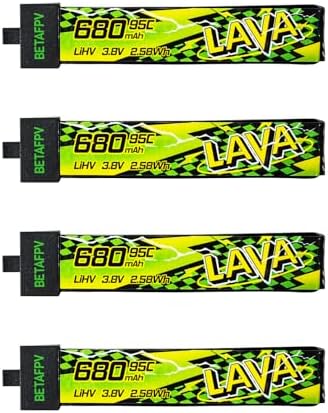
However, one thing I noticed after multiple crashes is that the battery tips can bend very slightly, and you will only notice this when you try to load a fresh battery into the drone. The slight kink can make it harder to slot in cleanly, so just be careful after crashes.
There is a small difference in size and weight between the two options. The 280mAh batteries weigh 6.8 grams, and the 320mAh batteries weigh 8.2 grams. I found that the champion version flew better with the heavier 320mAh battery, though it does get blown around a little more outdoors.
How to Extend Your Flight Time
For anyone wanting to fly back to back without long waits in between, here is the setup I was using during my underground parking lot testing. Pick up a 1S multi-battery charger and pair it with a power bank that supports power delivery so you can connect it using a USB-C to USB-C cable.
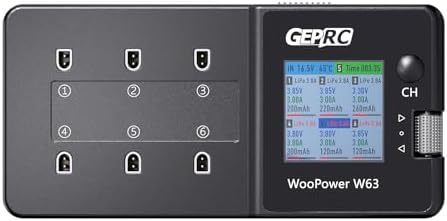
This setup lets you charge your batteries continuously while you fly, and the size of a decent power bank will give you roughly 2 to 3 hours of non-stop flying. It is a fantastic and easy-to-use setup, and I highly recommend it. Links to the charger and power bank I use are in the description below.
So Which BETAFPV Air65 II Should You Buy?
After flying all three versions thoroughly, the BETAFPV Air65 II freestyle version is the one that is replacing my Emax Tiny Hawk 3. It is smoother, more predictable, and I genuinely enjoy how it flies, especially thanks to that added grip from the props. If you are new to FPV and thinking about picking up your first tiny whoop, this is the version I would recommend out of the three without hesitation.
The racing and champion versions each have their purpose, but the freestyle version is just far easier to control and far more enjoyable for most flying situations. It also solves that exact problem of having nothing to fly when the weather keeps you grounded.
Read More: Best DJI Lito Accessories You Should Actually Get