
When you first get into FPV, everyone tells you about the drone, the goggles, and the controller. But nobody tells you about the hex drivers, spare screws, LiPo straps, cables, props, and all the little bits and bobs you never thought you needed until your drone breaks.
Buying everything at once gets expensive fast. This guide breaks down the FPV gear beginners should buy first, what can wait, and what is simply nice to have. By the end, you will know exactly what to put in your FPV tool bag without wasting money.
This guide is split into four sections: beginner essentials, quality of life upgrades, repair tools, and nice to haves. A rough cost and source is included for most items, though not every single one. This is not a complete list of everything available for FPV. It is simply what would be prioritized when starting from scratch.
Table of Contents
Section One: Beginner Essentials
This is the stuff you want almost immediately. Not because it is exciting, but because these are the things that keep you flying.
Charger and Charging Board
The charger featured here is the Hota D6 Pro, which is very popular within the FPV community. Everyone gets excited about buying their first drone, but one of the first real accessories you need after batteries is a charger. Without one, the drone is completely useless.
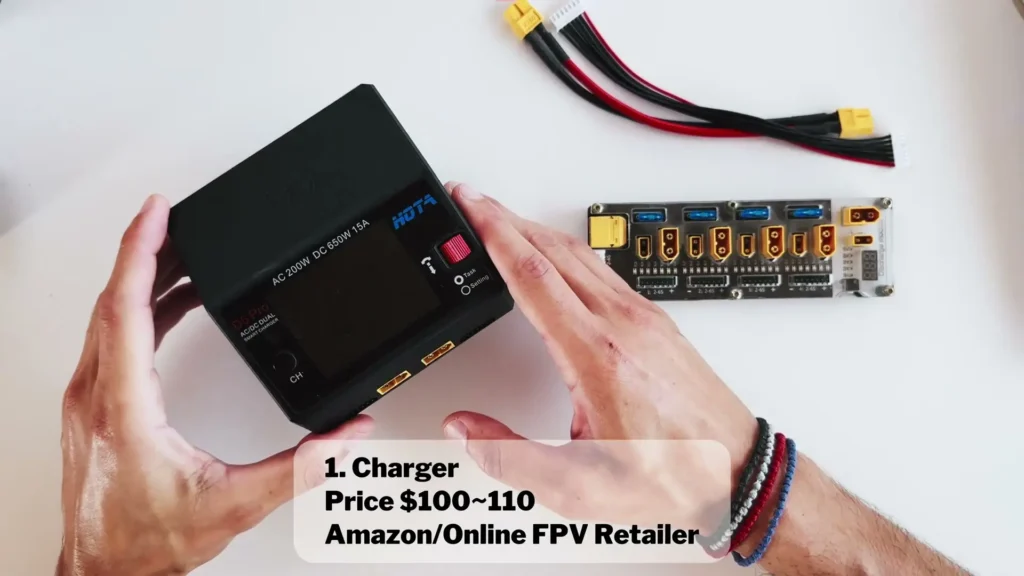
A Lipo charging board can also make charging multiple batteries easier, but beginners need to understand safety first. If you have never charged batteries in parallel before, look it up before attempting it.
LiPo Bag
Alongside your charger and charging board, picking up a LiPo bag is highly recommended. It is cheap compared to replacing anything damaged in a battery accident, especially considering the risk of a fire. This is not something you want to learn the hard way.

A LiPo bag is useful not only for storage but for traveling as well. The ones from HobbyMate and iFlight are both solid options. The iFlight version comes with organizers and side pockets, which is a great bonus. It adds a basic layer of safety and makes battery storage far less chaotic.
Hex Drivers
You do not need electric tools at the start. A basic set covering the common FPV sizes is enough. A good set picked up from Amazon works fantastically. The shaft length on quality hex drivers is long enough to access tight spaces with ease. Most FPV repairs begin with removing small screws, making this one of the most frequently used tools you will own.

Small Precision Screwdriver Set
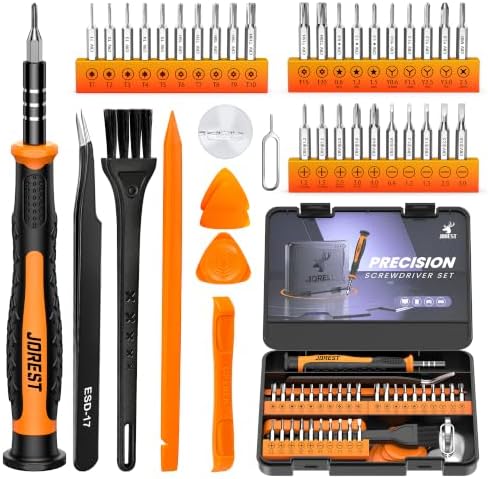
This is not necessarily FPV specific, but it covers a lot of ground. A good precision set includes tweezers, a spudger, small Phillips and flat head bits, a SIM pin, and other useful random tools. These come in handy for goggles, action cameras, radios, and other small accessories. It fills the gaps that standard FPV hex drivers simply do not cover.
Prop Removal Tool
The prop removal tool from iFlight doubles as a hex tool with both 1.5mm and 2mm ends. This is particularly useful when traveling because of its incredibly small footprint, and it makes changing props very quick and easy in the field.
Spare Props and Prop Nuts
Spare props are less of an accessory and more of a consumable in FPV. Beginners and experienced pilots alike break them frequently, so always keep more than you think you need. It is definitely worth picking up spare props when buying your first drone. A broken prop can end your session instantly, even if the rest of the drone is perfectly fine.
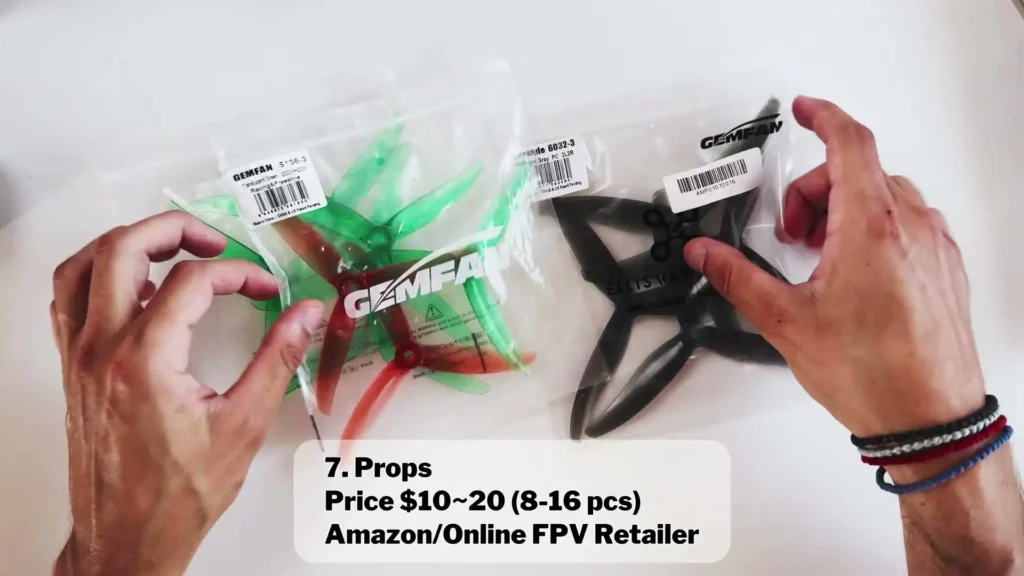
Prop nuts are something that often gets overlooked. They are small, cheap, and easy to lose, and ordering them separately is genuinely annoying. Keeping a few in your tool bag is essential. In certain crash situations, especially when using turtle mode to free a stuck drone, a prop nut can come loose and if you do not have a spare, your session is over even if the props themselves are fine.
Battery Straps
Battery straps wear out, snap, or get cut in crashes. Keeping a few spares is essential. They are also useful for securing different battery sizes, so picking up a variety pack is a smart move. They can even double as extensions for larger batteries.
Electrical Tape, USB-C Cables, and Cable Ties
These three items are grouped together because they are all simple but constantly useful. Electrical tape is great for quick fixes, holding down loose wires temporarily, and protecting components until they can be properly repaired. Just do not treat it as a permanent solution, even though some FPV pilots do.
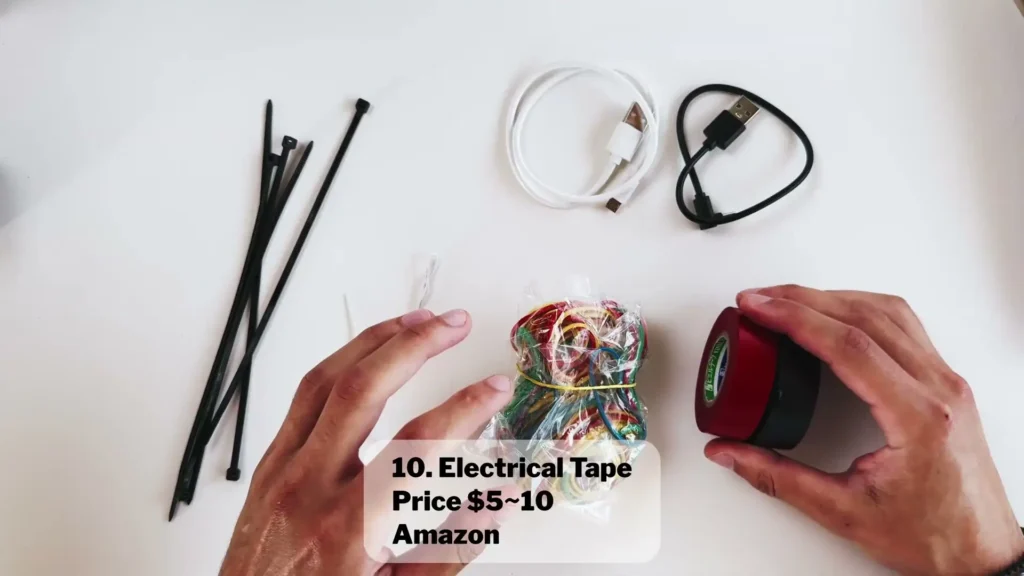
USB-C cables are something you likely already have at home, but not all cables are equal. Some are charge-only and will not transfer data, which is exactly why your drone sometimes fails to connect in Betaflight. Find the cables that actually work for data transfer and keep them specifically in your FPV bag. Zip ties, cable ties, and rubber bands round out this group and are always handy to have on hand.
ND Filters
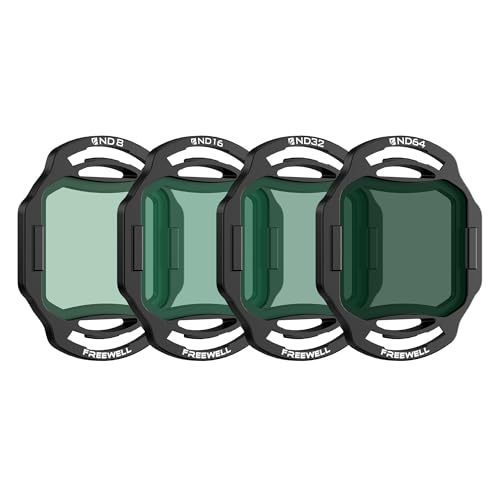
If filming cinematic FPV is your goal and you want natural-looking motion blur, ND filters are essential for controlling your shutter speed. The Freewell set is a strong option. These are not necessary if you are purely practicing or doing freestyle in most cases, but for anyone serious about cinematic content, a good set of ND filters belongs in the kit early.
Tool Bag or Electrical Organizer
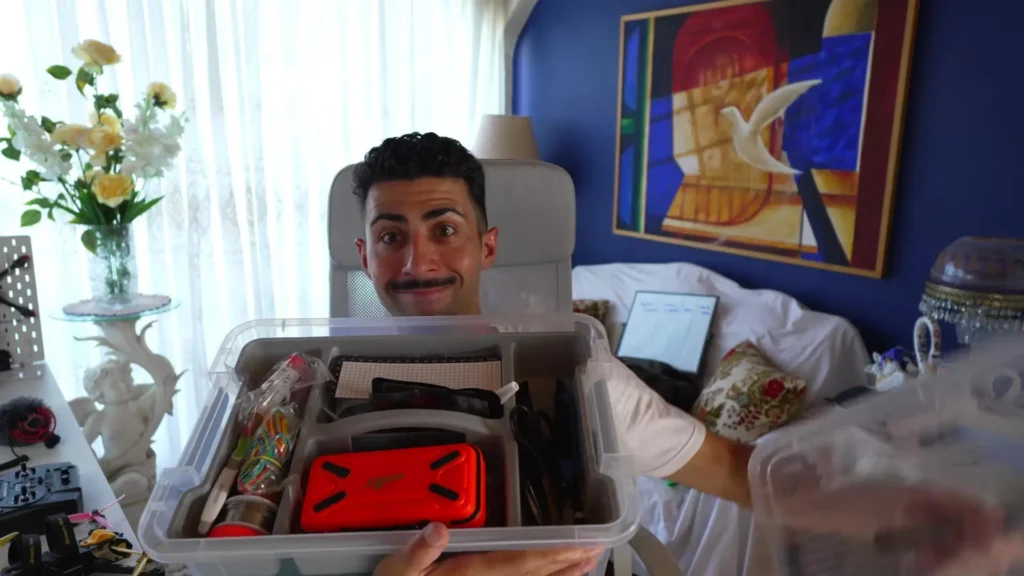
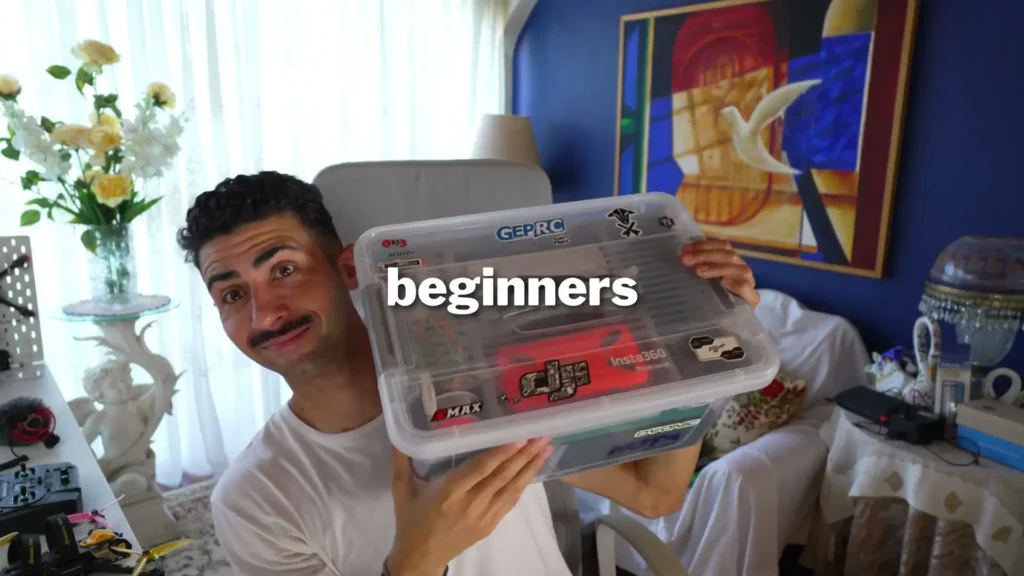
All of the above accumulates quickly, so having a place to store everything matters. A basic electrical organizer or tool bag from Amazon works perfectly well. It does not need to be branded or expensive. It just needs to hold everything together and make it easy to carry to the field.

A few household essentials round out section one as well. An old toothbrush is great for cleaning dirt, grass, and dust from drone parts. Most of these items cost almost nothing but become incredibly useful at random moments. Together, this first kit covers everything needed not only to keep flying but to handle some basic repairs as well.
Read More: DJI Mini 3 vs SkyRover S1