
Two of the most talked-about drones right now sit at opposite ends of the creative spectrum. The DJI Avata 360, launched on March 26, 2026, as DJI’s first-ever 360-degree drone, enters a brand-new product category, while the DJI Mini 5 Pro, officially released in September 2025, represents the evolution of DJI’s most beloved compact line.
Both are excellent drones. But they are built for different creators with different priorities. This guide breaks down everything you need to know before choosing between them.
Check Price on Amazon: DJI Avata 360 & DJI Mini 5 Pro
Table of Contents
The 8K Reality Check
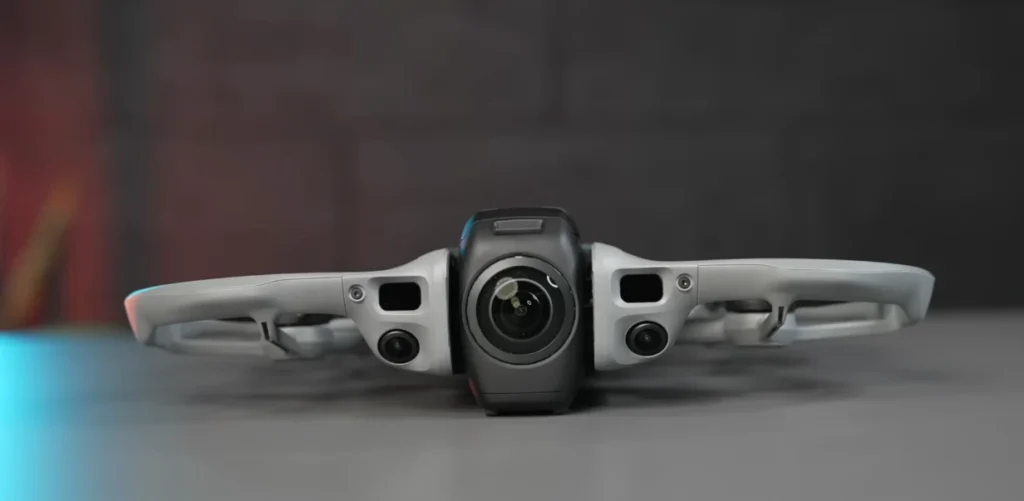
The Avata 360’s headline specification is 8K video, and it’s real, but it comes with an important caveat. The 8K figure only applies to the full 360-degree video. Once you process it into a standard flat format, your final output will actually be 4K or less.
That’s because the spherical footage must be cropped and dewarped, which costs significant resolution. That dewarping process can also create softness at the edges, and a visible “seam” where the two camera lenses stitch together is sometimes noticeable in the final video.
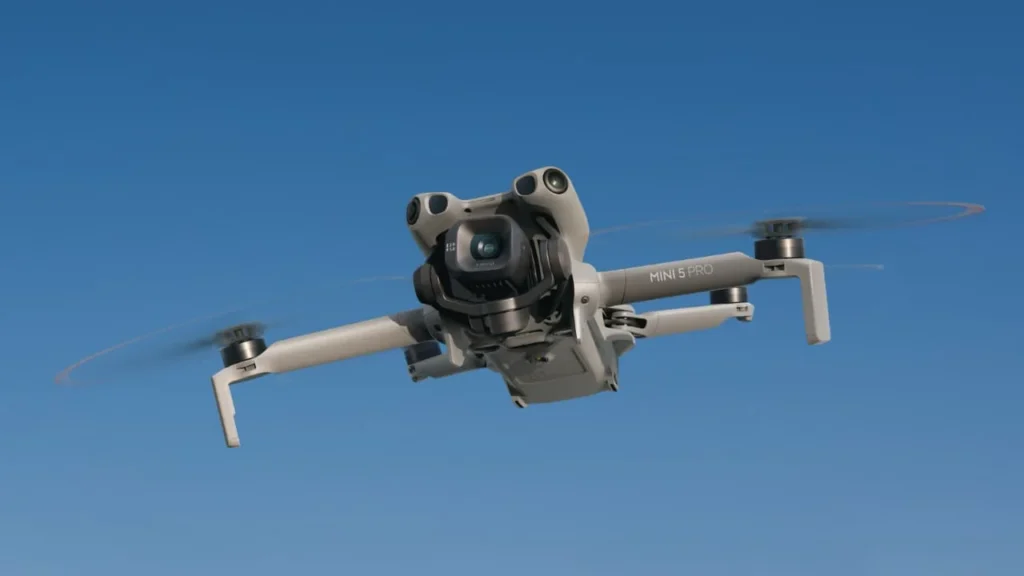
The Mini 5 Pro takes a more traditional approach. It is equipped with a 1-inch 50MP CMOS sensor capable of capturing 4K/60fps HDR video, and what you record is what you get, sharp, clean, and ready to deliver without any stitching or reframing required.
When viewed side by side on a large screen, the Mini 5 Pro’s footage shows noticeably more detail, particularly in fine textures like trees, foliage, and distant landscapes.

Camera Systems
The Avata 360 features two ultrawide cameras with f/1.9 lenses and 1.1-inch 64-megapixel sensors, one pointing up and one pointing down to create an unobstructed 360-degree view that is stitched together to produce 8K/60fps spherical video.
The drone also supports a single-camera mode. In single-lens mode, the camera rotates forward and captures standard 4K/60fps footage at a 28mm field of view, which gives it a secondary use case as a more conventional camera drone.
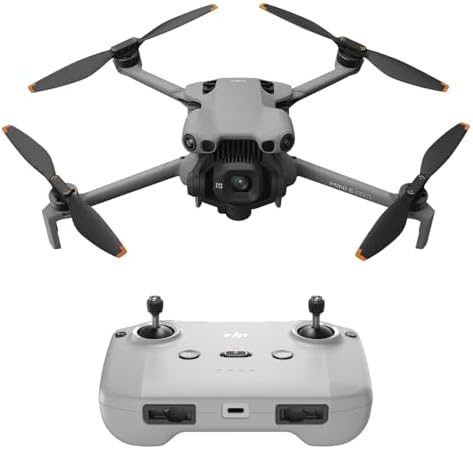
The Mini 5 Pro keeps things simple and sharp. Its gimbal now offers 225 degrees of rotation, supports true vertical video for social media, and can capture 4K/120fps slow-motion footage.
It also offers a 2x digital zoom that, thanks to its high native resolution, still produces usable, cinematic images, opening up creative options like compressed background shots and tighter subject framing that are simply not available on the Avata 360.
The Avata 360 shoots for flexibility in post-production. The Mini 5 Pro shoots for quality out of the camera. Which philosophy suits you depends on your workflow.
Read More: Sky Rover S1 vs Potensic Atom 2 – Best Mini Drone Under $300
Battery Life
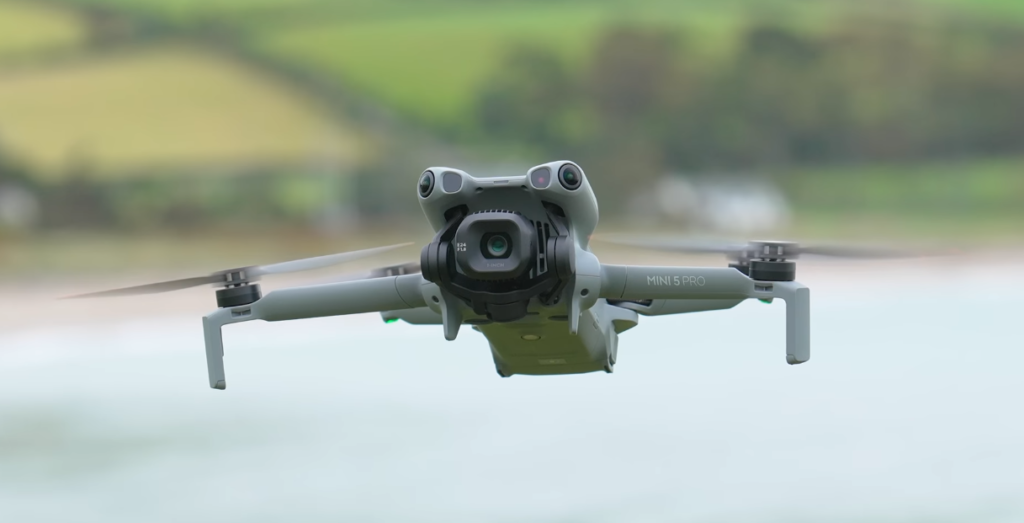
This is where the gap between the two drones is most striking. In real-world conditions, the Avata 360 delivers around 16 minutes of flight time per battery a notable limitation that requires careful shoot planning. You will constantly be watching the clock, switching batteries, and calculating whether you have enough time to complete a shot.
The Mini 5 Pro is in a completely different league. With its standard battery, the Mini 5 Pro delivers up to 40 minutes of flight time. With the larger Plus battery, that figure extends even further, though the Plus battery pushes the weight slightly above the 249-gram threshold.
For long shoots, travel days, or documentary work where timing is unpredictable, the Mini 5 Pro’s endurance is a major practical advantage.
Size, Weight, and Portability
Portability has always been the Mini series’ greatest strength, and the Mini 5 Pro upholds that tradition. When folded, the Mini 5 Pro measures just 157×95×68mm and weighs under 250 grams, keeping it registration-free in most countries. It slides comfortably into a camera bag alongside lenses, a laptop, and all your other gear.
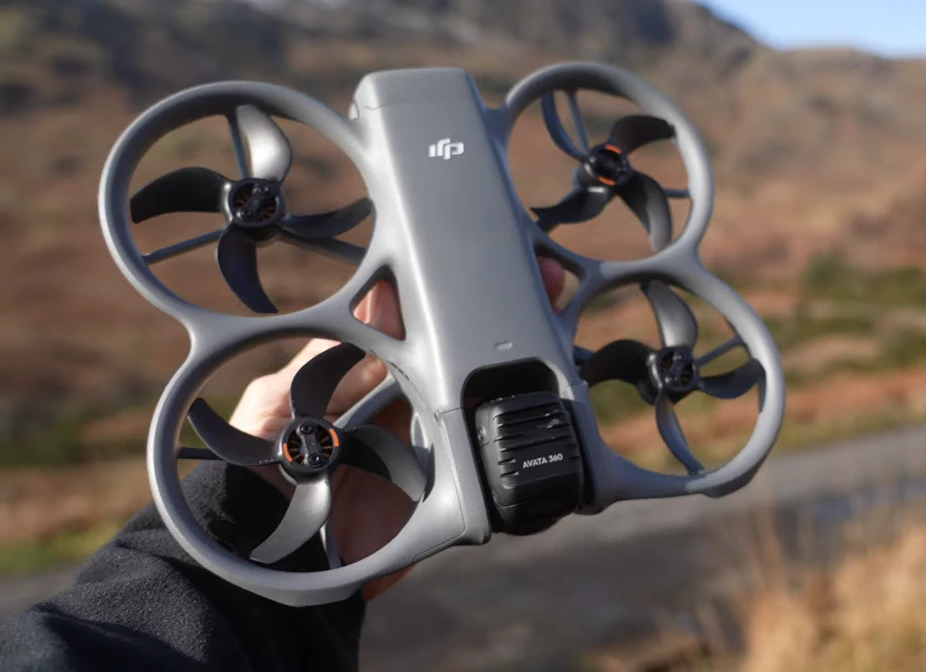
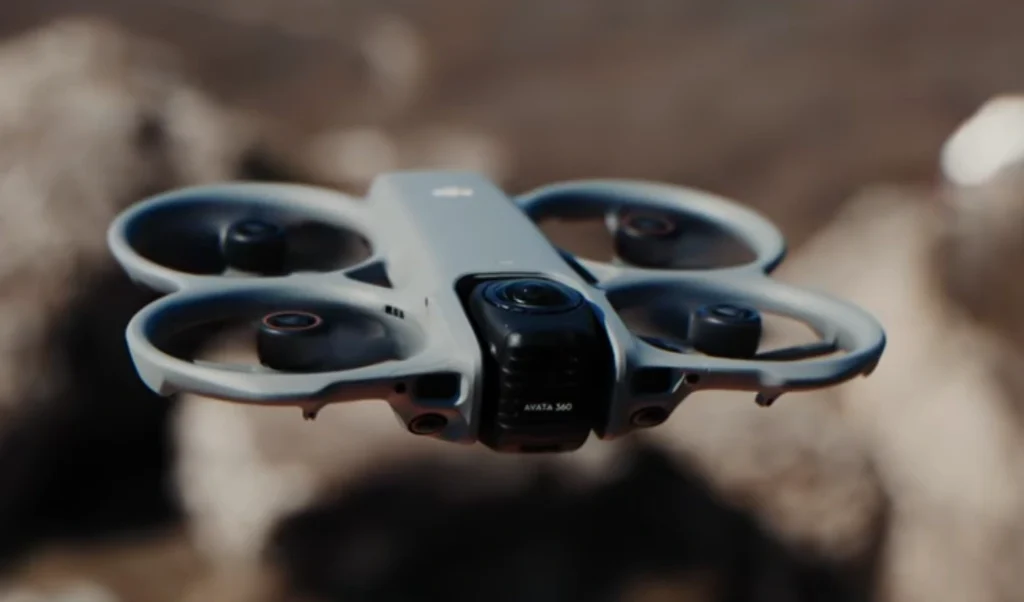
The Avata 360 is a much larger machine. It measures 246×199×55.5mm and weighs 455 grams well above the 250-gram regulatory threshold that triggers drone registration requirements in many countries.It does not fold down, and it may need to be strapped to the outside of a backpack rather than packed inside. For hikers, travellers, and run-and-gun creators, this is a meaningful inconvenience.
The Avata 360’s propellers are shielded, which makes it safer to fly indoors or near people, a genuine advantage in crowded environments or complex indoor spaces.
Sound and Flight Experience
Noise matters more than most drone buyers realize, especially when flying near people, in quiet nature reserves, or in any situation where discretion is valuable. The Avata 360 is noticeably loud in the air. The Mini 5 Pro, by contrast, runs with a much lower, quieter hum in normal cruising mode, making it far less intrusive.
On the flying experience side, the Avata 360 offers a unique feature: it can be flown using DJI Goggles N3 in FPV mode with full head tracking, so you can look around in every direction just by turning your head.
It can also be controlled with up to six different standard remote controllers, giving pilots a lot of flexibility in how they operate it. The Mini 5 Pro flies like a refined, confident camera drone stable, predictable, and well-suited to both beginners and experienced pilots.
Read More: DJI Avata 360 vs Avata 2 vs Mini 5 Pro – Three Way Drone Comparison
Intelligent Tracking and Smart Features
Both drones perform well on active subject tracking. In real-world testing, each experienced a minor hiccup. The Avata 360 briefly dodged a tree during orbit, while the Mini 5 Pro momentarily lost its subject around a bush, but overall, both locked on reliably and produced smooth tracking footage.
The Avata 360 features Active Track 360, which actively follows a moving subject while keeping them centred in the frame, whether they’re cycling, running, or driving. It also includes a Spotlight mode that lets you focus on flying while the camera automatically keeps the subject in shot.
The Mini 5 Pro features an upgraded nightscape omnidirectional obstacle avoidance system capable of operating in as little as 1 lux of illumination, a particularly useful safety feature for low-light filming conditions.
The Reframing Advantage vs the Zoom Advantage
These two features define the creative identity of each drone.
The Avata 360’s defining capability is post-production reframing. Because it captures a full spherical image, you can tilt up, pan sideways, or follow an unexpected subject and then reframe the entire shot after the fact in DJI’s Studio app. For solo creators or documentary filmmakers who can’t always predict where the action will happen, this is a genuine safety net.
The camera captures everything, even when you’re not sure where to point it.
The Mini 5 Pro counters with a 2x optical-quality digital zoom that, due to its high native resolution, retains excellent image quality. This allows for more cinematic, compressed shots with dynamic background parallax, a creative tool that dramatically expands storytelling possibilities and is simply unavailable on the Avata 360.
Which Drone Should You Choose?
| Feature | DJI Avata 360 | DJI Mini 5 Pro |
| Practical Resolution | Lower (cropped from sphere) | Sharp native 4K |
| Battery Life | ~15–16 minutes | ~40 minutes |
| Weight | 455g (registration required) | 249g (registration-free) |
| Portability | Large, non-folding | Compact, bag-friendly |
| Noise Level | Louder | Quieter |
| Zoom | Wide only | Up to 2x |
| Post-Production Reframing | Full 360° | Not available |
| FPV / Goggles Support | Yes | No |
| Low-Light Obstacle Avoidance | Standard | Yes (1 lux) |
Final Verdict
The Mini 5 Pro wins on image quality, battery life, portability, versatility, and noise. The Avata 360 wins if your priority is maximum creative flexibility in post-production, FPV immersion, or the security of knowing every angle is always captured.
Neither drone is objectively better they serve genuinely different creative needs. If you shoot fast-moving events, travel light, or want the sharpest possible image with minimal post-processing, the Mini 5 Pro is the stronger all-around choice.
If you prioritize never missing a moment and want the freedom to reframe in post, the Avata 360 opens up a new way of thinking about aerial filmmaking altogether.
Read More: DJI Confirms Lito Drone Launch for April 23, May Be the Last One for US Market