
Section Three: The Repair Kit
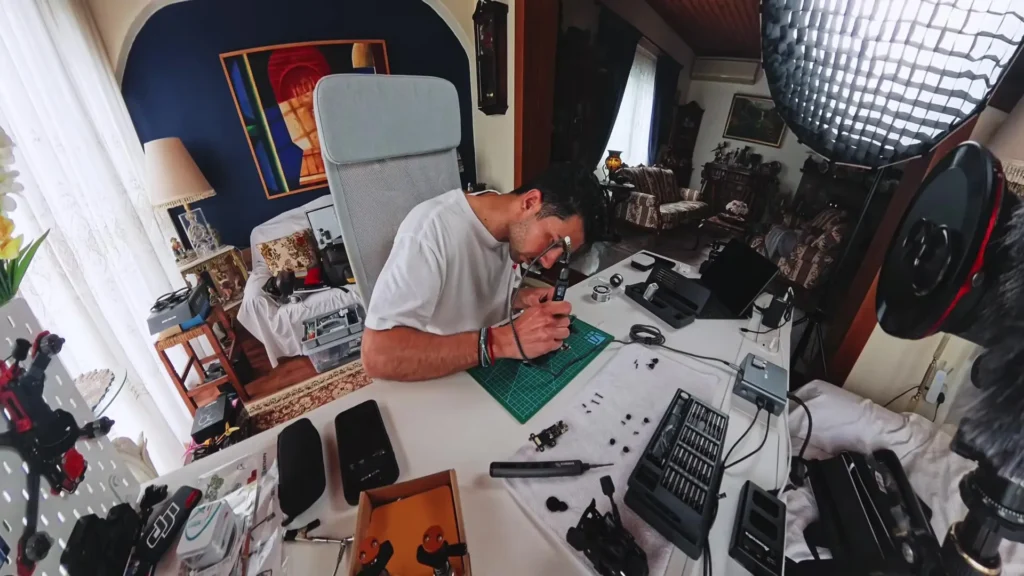
At some point in your FPV journey, it stops being purely about flying and starts being about maintaining and repairing your drones. This section covers FPV Gear everything you need when that time comes.
Table of Contents
Soldering Iron
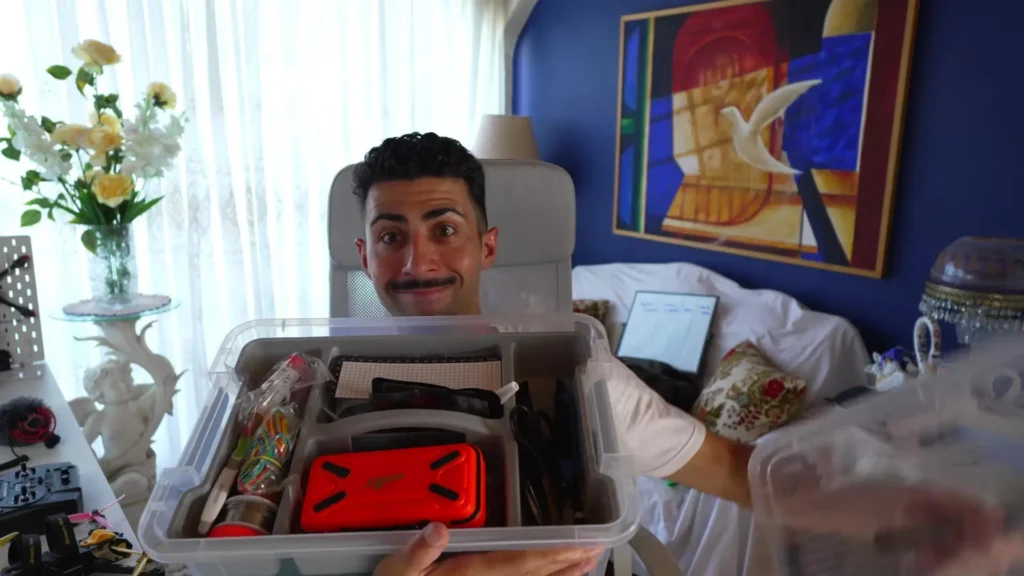
The Fnirsi HS02 is a great choice here because it comes with extra tips, solder, and a practical toolbox. A quality soldering iron is almost essential for FPV repairs. It stops you from being dependent on someone else every time something breaks.

Alongside the iron, picking up quality solder makes the job much easier. The TBS solder is a solid option as it includes flux, which helps solder flow better and makes messy joints easier to clean up. Flux is one of those small things that beginners consistently underestimate.
Solder wick is another valuable addition, used for removing excess solder when mistakes happen. It gives you a way to undo errors cleanly, which every beginner will eventually appreciate.
Silicone Soldering Mat
Even with a hobby cutting mat already in the kit, a silicone soldering mat is a separate must-have. It is heat resistant, protects your desk, and includes small compartments to keep screws and parts organized during repairs. It creates a safer and cleaner working environment specifically for soldering.

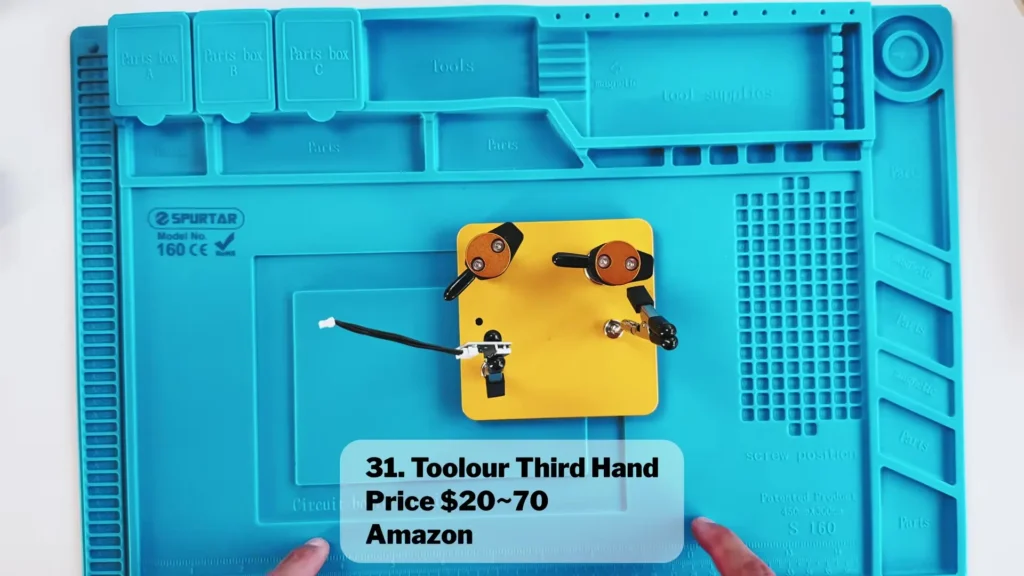
Third Hand Tool
This is something many beginners learn the value of the hard way. A third hand tool holds your wires and components in place while you solder. With one hand on the iron and another on the solder, you need something to hold the component steady. This tool solves that problem and is genuinely invaluable once you start doing real repairs.
Wire Strippers, Needle Nose Pliers, and Flush Cutters
These three tools can be picked up together as a set from iFixit on Amazon. Wire strippers give you a clean strip every time and include gauge markings so you can identify the correct wire size before soldering.

Needle nose pliers are useful for holding small components, bending, gripping, and reaching tight spaces. Flush cutters handle cable ties, wires, and small plastic pieces cleanly, making them useful in almost every build or repair situation.
Also Read: FPV Gear Every Beginner Needs to Know About | Part-1
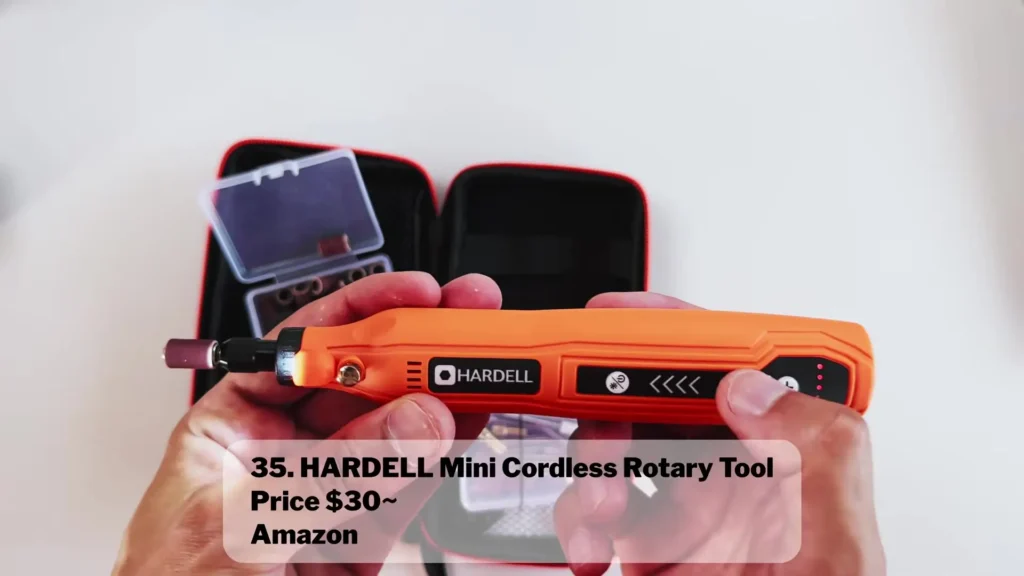
Cordless Rotary Tool
This one started as an impulse purchase but proved genuinely useful during a first drone build. It is not essential for beginners, but it helps with modifying frames, cleaning up 3D prints, making small cuts, and smoothing out parts. It does require care as it can damage things quickly if used carelessly. It comes with a case, a full set of attachments, and a USB-C cable.
Loctite, Fabric Tape, and Heat Shrink
These three are grouped together because they are all simple finishing and securing materials that every FPV builder uses. Loctite keeps screws from vibrating loose over time. Just avoid using it anywhere it could damage plastic, such as on props.
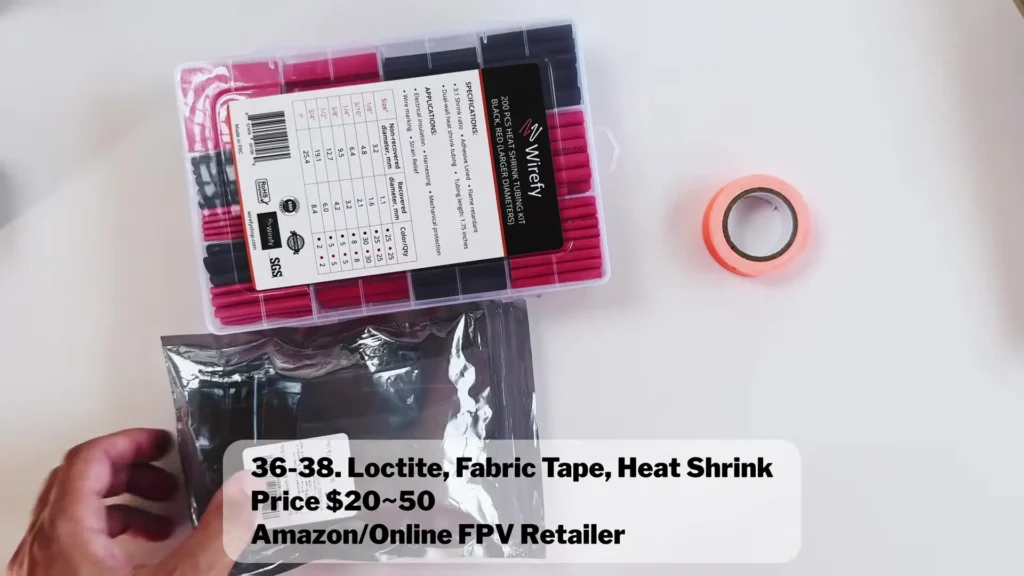
Fabric tape is tougher and cleaner than plastic tape in many situations and works well for securing wires in builds or repairs. Some pilots even use it to replace the plastic wire guards on motors, which can snap and cut motor wires. Heat shrink comes in various colors and is used to protect solder joints and wires, making repairs look cleaner while preventing shorts.
Digital Scales
Not essential for most beginners, but if you are creating content or building competition drones, a set of digital scales lets you weigh your builds and check whether you hit the sub-250g threshold. It also helps you compare battery setups and understand where weight can be reduced.

Multimeter
A multimeter is used for checking voltage, continuity, and diagnosing electrical faults. It is important once you start building or repairing regularly. It can look intimidating at first, but basic checks are straightforward. If you are unsure how to use one, asking an AI tool like ChatGPT for guidance works surprisingly well.

From this section, the tools to prioritize first are a quality soldering iron, wire strippers, and needle nose pliers. These will be the most frequently used tools in this entire category.
Read More: FPV Gear Every Beginner Needs to Know About | Part-2