
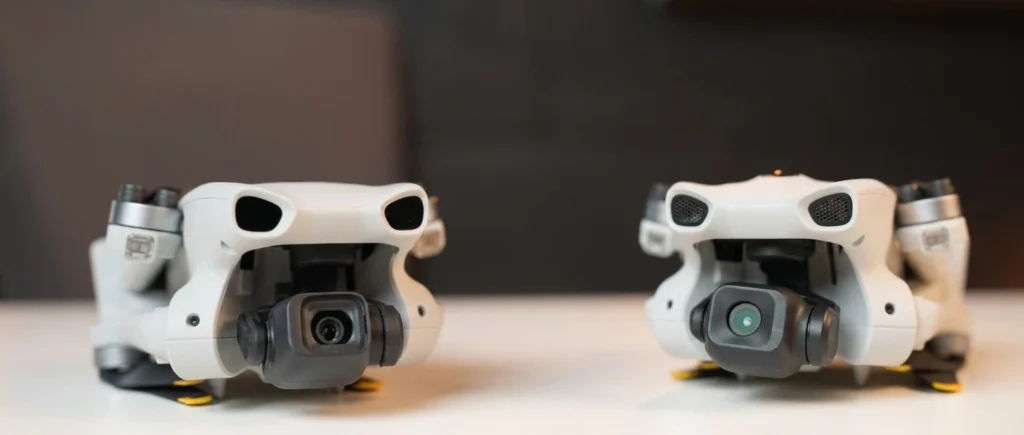
The DJI Mini series has long been a favourite among drone enthusiasts worldwide, praised for its video quality, convenience, and ease of use. But DJI has just introduced something new: the Lito series, featuring the Lito 1 and the Lito X1. So, what does this mean for the Mini lineup, and are these new drones worth your money?
Table of Contents
What Is the DJI Lito Series?
The Lito series is designed to replace the DJI Mini 3 and Mini 4K, not the Pro series drones like the Mini 5 Pro. Think of it as a refreshed entry-level lineup, offering two tiers: the standard Lito 1 and the more premium Lito X1. Both drones pack features previously reserved for higher-end models, making them compelling options for beginners and budget-conscious flyers alike.
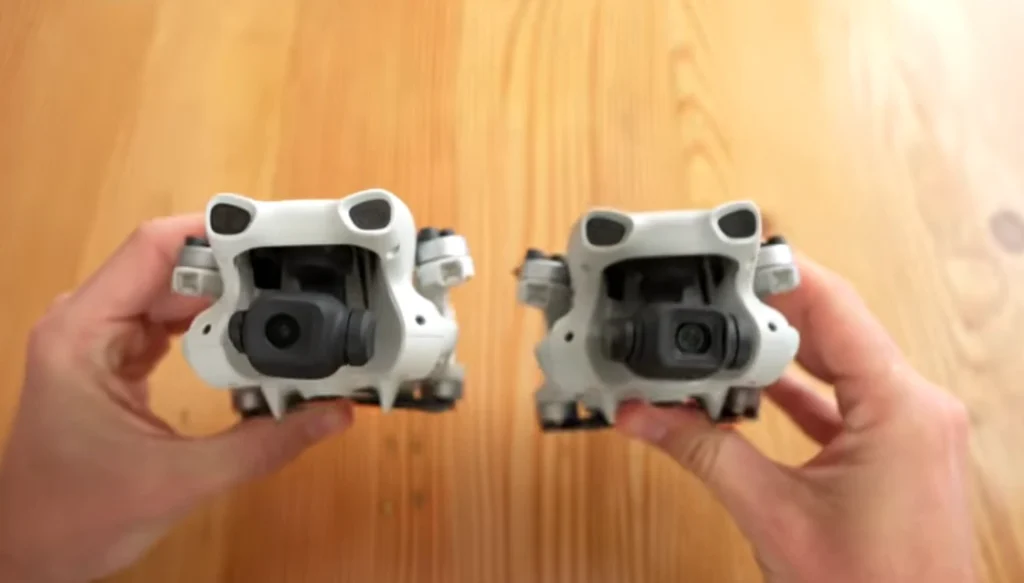
Shared Features Across Both Drones
Despite sitting at the entry level, both the Lito 1 and X1 come loaded with impressive capabilities.
Omnidirectional Obstacle Sensing: One of the biggest fears for new drone pilots is crashing on the very first flight. Both Lito drones address this with omnidirectional sensors that detect objects in all directions, automatically stopping or navigating around them. This alone makes them far more forgiving for beginners.
Active Track 360: Both drones support Active Track 360, one of DJI’s most beloved features. Whether you’re walking, cycling, or driving, the drone automatically identifies your subject and tracks it across a full 360-degree range. Tap where you want the drone to position itself on the clock-face interface, and it moves there seamlessly, letting you focus on the experience while the drone handles the cinematography. Spotlight mode is also included, giving you manual control over flight while the camera stays locked on your subject.
Quick Shots & Master Shots: Previously a premium feature, Quick Shots and Master Shots are available on both drones. Draw a box around your subject, and the drone executes cinematic flight patterns automatically, perfect for beginners wanting polished results without the learning curve.

Under 250 Grams: Both drones weigh under 250 grams, which is a significant advantage in most countries. This typically means simpler registration requirements and greater freedom over where you can legally fly. It also makes them incredibly portable and compact enough to take virtually anywhere.
Auto On / Auto Off: Unfold the propellers, and the drone powers on automatically. Fold them back, and it shuts off. It’s a small detail, but one that meaningfully speeds up your setup and pack-down time in the field.
Battery Life: Both drones offer an advertised 36 minutes of flight time. In real-world conditions, shooting in 4K at 25–30fps with average wind expect closer to 27–28 minutes, which is still respectable for this category. A high-capacity battery option offering up to 50 minutes is available, though note it pushes the drone slightly over the 250-gram threshold.
DJI Lito X1 – The Premium Option
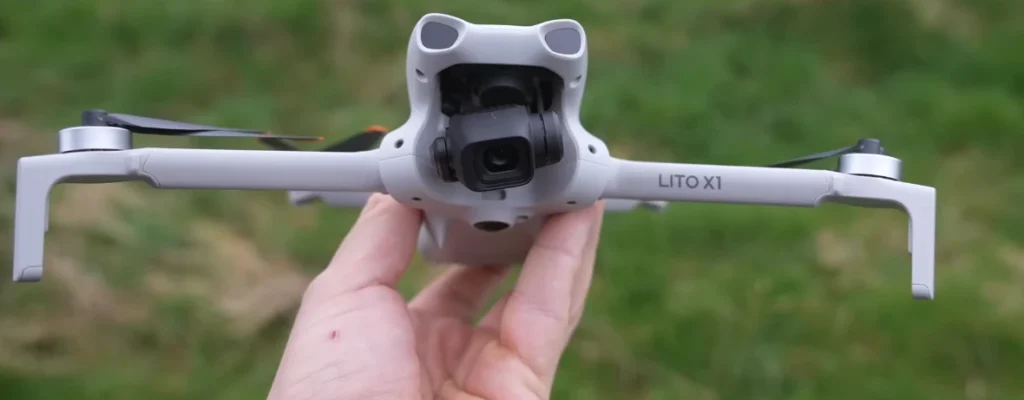
The X1 is where things get genuinely exciting for an entry-level drone.
Camera Specs
- Sensor: 1/1.3-inch
- Resolution: 48 megapixels
- Video: Up to 4K 60fps HDR and 4K 100fps slow motion
- Colour Profile: D-Log M 10-bit, the same flat colour profile found on the Mini 5 Pro
The D-Log M profile is a standout inclusion. It captures a wider dynamic range, giving videographers the ability to colour grade footage in post-production for a truly cinematic look. That said, if you’re new to editing, simply keeping the camera in its standard colour profile delivers great-looking footage straight out of the box, no additional processing needed.
Front-Facing LiDAR Sensor: The X1 goes a step further than the Lito One by including a front-facing LiDAR sensor, a feature also found on theMini 5 Pro. Standard optical sensors struggle in low-light or nighttime conditions. LiDAR solves this by detecting obstacles using laser technology rather than relying on ambient light, making nighttime flying significantly safer.

Internal Storage: Forget your memory card? Not a problem. The X1 comes with 42GB of internal storage, giving you a solid backup when you’re out in the field.
Fly More Combo: If you’re serious about getting the most out of the X1, the Fly More Combo is highly recommended. It includes two additional batteries, a new charging case with a built-in micro SD card slot on the side, a carrying bag, and spare propellers, essentially everything you need for a full day of shooting.
Read More: Sky Rover S1 vs Potensic Atom 2 – Best Mini Drone Under $300
DJI Lito 1 – The Budget-Friendly Choice
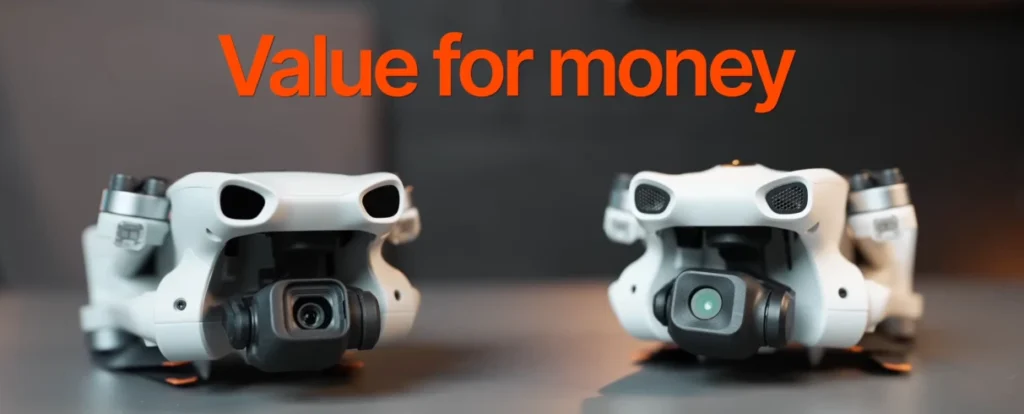
The Lito One is the more affordable entry point, and it holds its own impressively well.
Camera Specs
- Sensor: 1/2-inch
- Resolution: 48 megapixels
- Video: Up to 4K 60fps
The sensor is smaller than the X1’s, and it lacks D-Log M and the front-facing LiDAR. But for a budget drone, the image quality is excellent – sharp, detailed footage that would have been unthinkable at this price point just a few years ago.
Range & Transmission: With a 15km range and DJI’s reliable transmission technology, signal dropout is rarely a concern. And if something does go wrong – whether a connection issue or unexpected interference the Return to Home feature automatically kicks in, flying the drone back to its takeoff point safely.
Vertical Video Support
Both drones support vertical video recording, which is useful for content creators making reels or shorts. Rather than rotating the camera (as the Mini 5 Pro does), they crop into the footage to deliver 2.7K at up to 60fps in vertical format. Photo vertical mode is not available, but for video-focused creators, it’s a practical solution.
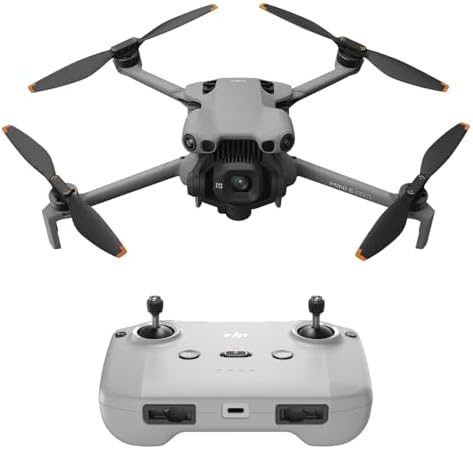
Controller Options
Both drones are compatible with the DJI RC-N3 and the RC2 controller. The RC2 is the standout choice, lightweight, equipped with a built-in screen so your phone stays in your pocket, and featuring external antennas for reliable connectivity. It remains one of the best drone controllers on the market at its price range.
Read More: DJI Avata 360 vs Mini 5 Pro: A Complete Real-World Comparison
How Do They Compare to the Mini 5 Pro?
The Mini 5 Pro is still the benchmark for mini drones. Its larger 1-inch sensor delivers superior photo and video quality, and it comes packed with additional features. If you want the absolute best in the mini drone category, the Mini 5 Pro remains the top pick, though it comes at a noticeably higher price.
The Lito series isn’t trying to beat the Mini 5 Pro. Instead, it fills the gap below it exceptionally well, offering a feature-rich experience at a more accessible price point.
| Feature | Lito 1 | Lito X1 |
| Sensor | 1/2-inch | 1/1.3-inch |
| Autofocus | No | Yes |
| D-Log M 10-bit | No | Yes |
| Built-in Storage | None | 42GB |
| Front LiDAR | No | Yes |
| Price | $309 | $379 |
Final Verdict
The DJI Lito 1 and Lito X1 make a strong case for being the best entry-level drones on the market right now. Between omnidirectional obstacle avoidance, Active Track 360, impressive 4K cameras, and sub-250g weights, these drones punch well above their price class.
- Choose the Lito One if you’re looking for a capable, affordable first drone with solid image quality and smart safety features.
- Choose the Lito X1 if you want a larger sensor, D-Log M colour grading, LiDAR-assisted obstacle detection, and the headroom to grow into more advanced filmmaking.
Either way, DJI has delivered something genuinely exciting for anyone looking to get into drones or for gifting to someone who is.
Read More: DJI Fly App 1.19.5 Update: What’s New, Should You Update