
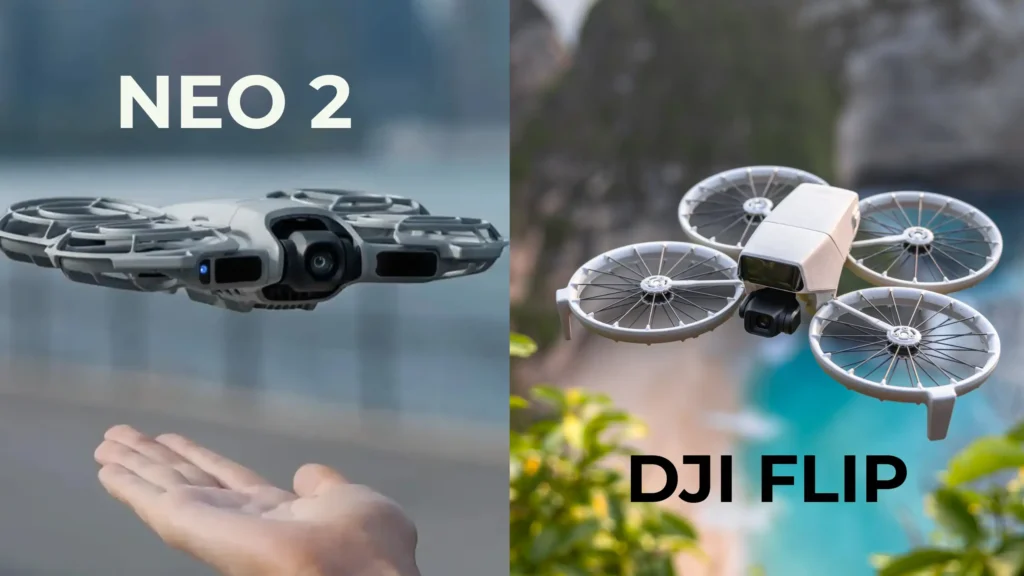
You’re standing on a hillside at sunrise, golden light stretching across the horizon ready to capture that perfect aerial shot. You reach into your bag and face a decision. Do you pull out the DJI Neo 2, a safety-first flyer with sensors that practically dodge obstacles for you? Or the DJI Flip, a foldable pocket powerhouse built for genuinely cinematic footage?
Both are DJI’s latest compact drones promising smooth 4K video and beginner-friendly flight. But they serve very different pilots with very different goals.
The Neo 2 is your confidence-building companion. The Flip is your creative professional’s tool in a pocket-sized package.
Table of Contents
Design and Build Quality
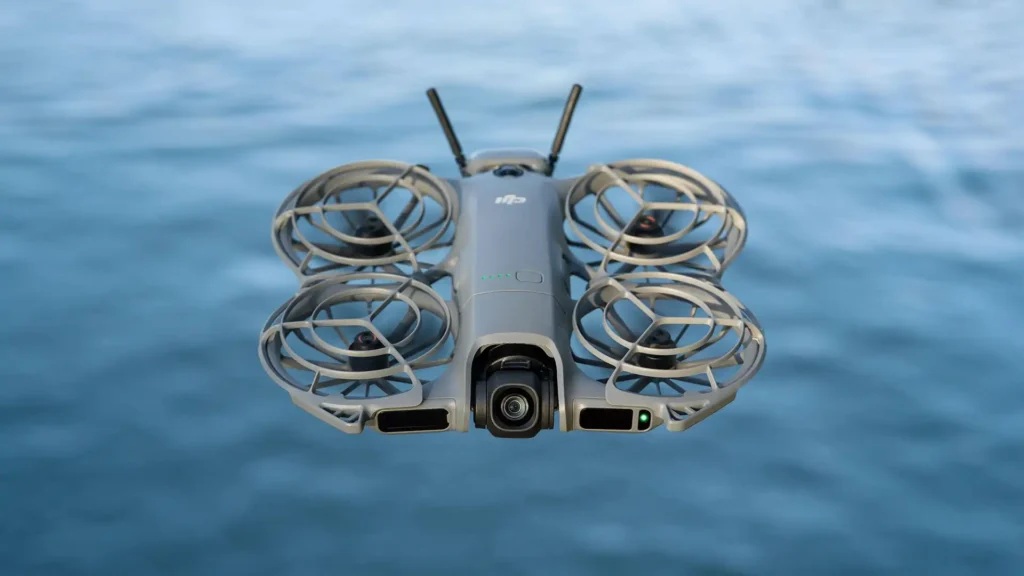
The DJ Neo 2 takes a friendly, approachable approach to drone design. Its rounded body, built-in propeller guards, and solid construction communicate one thing clearly: this drone is built to handle life’s little mistakes. Weighing just 151 grams, it’s light enough for travel yet sturdy enough to hold its own in moderate wind conditions.
For new pilots who value peace of mind while they’re still learning the ropes, the Neo 2’s durability-first design is genuinely reassuring.
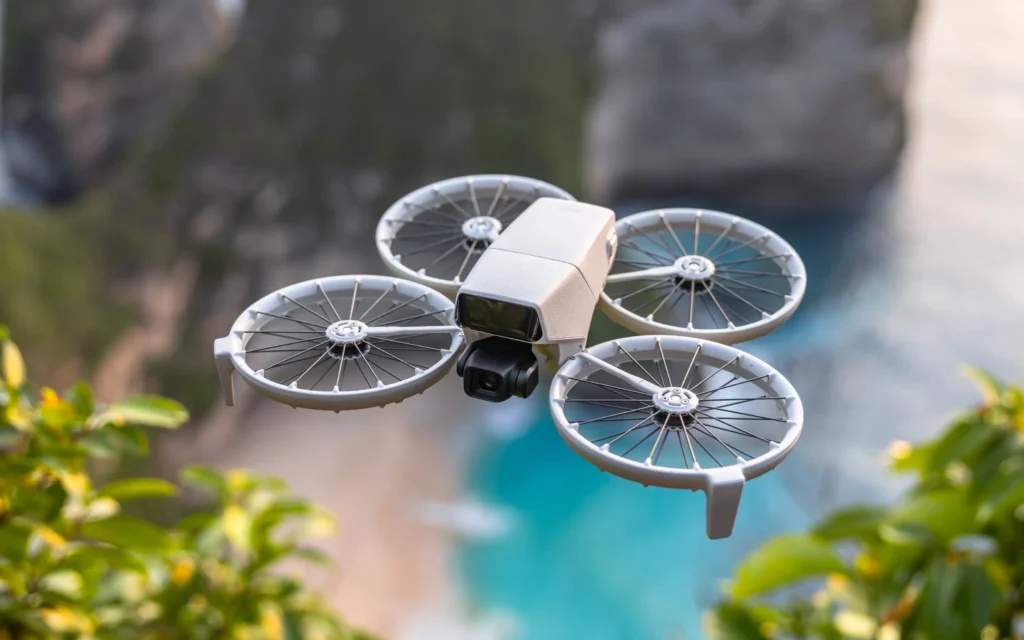
The DJI Flip is designed for creators who value flexibility and elegance in equal measure. At under 249 grams, it falls into the lightweight drone category in most countries, meaning fewer flight restrictions and more freedom over where you can legally fly. Its foldable design makes it exceptionally portable, slipping easily into a travel bag or jacket pocket without taking up meaningful space.
DJI even included foldable propeller guards on the Flip, striking a smart balance between protection and portability.
Winner: The Neo 2 wins for toughness and safety. The Flip takes the lead in portability and premium design aesthetic

Camera and Image Quality
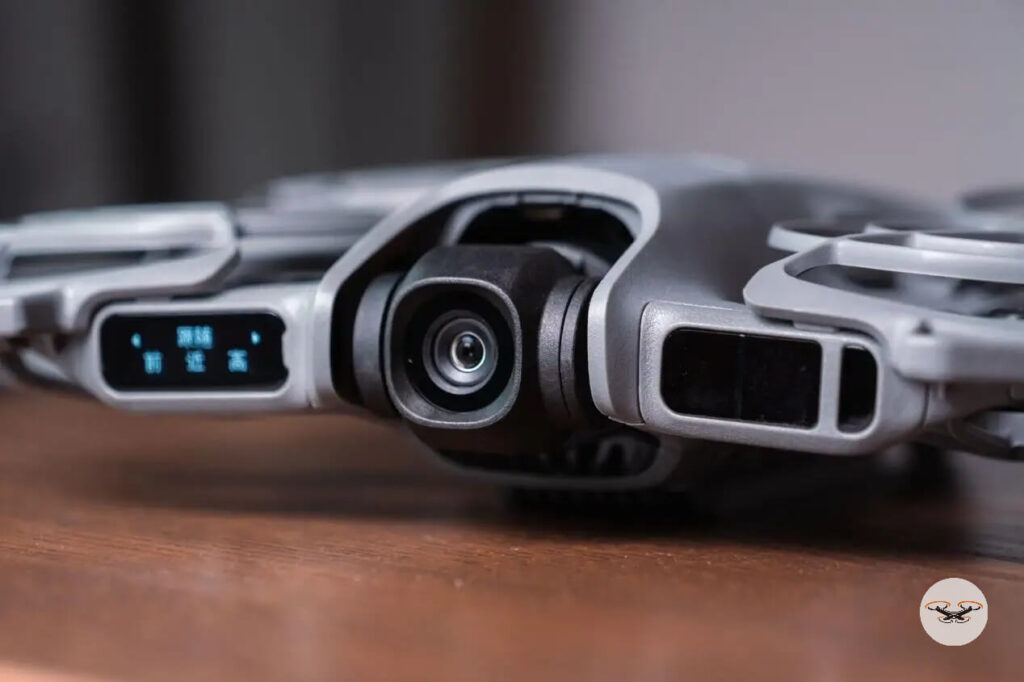
The DJI Neo 2 features a 1/2-inch CMOS sensor capable of recording 4K video at 60fps, with select modes supporting up to 100fps. A newly added dual-axis gimbal delivers noticeably smoother stabilization compared to the original Neo, a meaningful upgrade for anyone who found the first-generation footage a little shaky during dynamic movement.
The footage is crisp, colourful, and more than capable for social media content, travel memories, and casual filmmaking. For everyday use, it absolutely delivers.
The DJI Flip takes a significant step forward. Its 1/1.3-inch CMOS sensor is substantially larger, capturing more detail, better dynamic range, and significantly improved low-light performance. It supports 48-megapixel stills, HDR video, and critically, 10-bit D-Log M colour profile.
That last feature is a game-changer for serious creators. D-Log M records in a flat, detail-rich format that gives you full creative control over colour grading in post-production. The result is footage that doesn’t just look good, it looks intentional and cinematic.
Winner: The Neo 2 is ideal for beginners and casual creators. The Flip is the clear winner for professionals and content creators who demand cinematic image quality.
Read More: Sky Rover S1 vs Potensic Atom 2 – Best Mini Drone Under $300
Flight Performance and Control

The DJI Neo 2 offers approximately 19 minutes of flight time on its 1606mAh battery. More impressively, it comes equipped with forward-facing LiDAR sensors and downward infrared detection, a combination that makes obstacle avoidance highly effective even in tighter or more complex environments.
Simply put, this drone is genuinely difficult to crash. For new pilots still building their spatial awareness and control confidence, that’s an invaluable quality.
The DJI Flip flies both longer and farther. With a 31-minute flight time and DJI’s O4 transmission system supporting up to 13km of range, it’s built for extended creative sessions where you need more sky and more time to work with.
Its lighter frame does make it slightly more sensitive to stronger winds compared to the Neo 2, but its overall performance and range are genuinely impressive for a drone this compact. It also includes AI subject tracking and a full suite of cinematic QuickShots, Rocket, Helix, Dronie, and more for automated cinematic flight sequences.
Winner: The Flip dominates in flight time and transmission range. The Neo 2 offers unmatched safety features and beginner-friendly confidence.

Smart Features and Creativity
The DJI Neo 2 prioritizes simplicity and accessibility above all else. Gesture controls let you wave to launch it, pose to begin recording, and let the drone track you without ever touching the controller. Eight-direction subject tracking keeps you locked in frame, no matter how you move.
Think of it as a flying selfie camera that anticipates what you want, effortless, intuitive, and genuinely fun to use.
The DJI Flip steps confidently into creator territory. AI-powered tracking, adaptive HDR video, and dynamic lighting adjustments combine to deliver professional-quality footage with minimal technical fuss. It’s engineered for vloggers and filmmakers who want creative versatility and precise control over their final output.
Winner: Both drones make aerial creativity accessible. But the Flip’s AI-enhanced feature set and cinematic flexibility give it the edge for professional and semi-professional use.
Safety and Reliability
Safety is a DJI trademark across its entire lineup, but the Neo 2 leads this category decisively. With omnidirectional sensors, built-in propeller guards, and an advanced LiDAR system, it can detect and navigate around obstacles even in tight indoor spaces. It’s engineered from the ground up for pilots who prioritize protection and reliability.
The DJI Flip does include safety measures, visual sensors, and optional propeller guards, but the system isn’t as comprehensive. It relies more on pilot awareness and precision flying, which is perfectly fine for confident and experienced users.
Winner: The Neo 2 wins comfortably for safety and overall peace of mind.
Storage and Compatibility
When it comes to storage, the Neo 2 impresses with 49GB of internal memory, enough for multiple 4K sessions without needing to carry or manage SD cards. For spontaneous shooting situations, that built-in convenience is genuinely valuable.
The Flip takes a different approach, relying primarily on microSD card expansion. This offers more flexibility for longer professional shoots where storage demands are higher and swapping cards mid-session is part of the workflow.
On the accessories front, the Flip works seamlessly with both the DJI RC-N3 and RC-2 controllers, integrating smoothly into DJI’s broader professional accessory ecosystem, ideal for pilots who already own other DJI equipment and want everything to work together.
Winner: Neo 2 for built-in simplicity and convenience. Flip for professional-level flexibility and ecosystem compatibility.
Head-to-Head Summary
| Feature | DJI Neo 2 | DJI Flip |
| Weight | 151g | Under 249g |
| Sensor | 1/2-inch CMOS | 1/1.3-inch CMOS |
| Video | 4K 60fps / 100fps | 4K HDR, 10-bit D-Log M |
| Gimbal | Dual-axis | Stabilised |
| Flight Time | ~19 minutes | ~31 minutes |
| Transmission Range | Standard | O4 up to 13km |
| Obstacle Avoidance | Omnidirectional + LiDAR | Visual sensors |
| Internal Storage | 49GB | microSD |
| Best For | Beginners & casual flyers | Creators & professionals |
Final Verdict
The honest answer is that these two drones aren’t really competing with each other, they’re built for two completely different types of pilots.
Choose the DJI Neo 2 if you’re new to drones, want something easy and safe to fly, or simply want a capable, fun aerial camera without a steep learning curve. It’s stable, durable, forgiving, and packed with features that let you fly confidently and capture great footage from day one.
Choose the DJI Flip if you’re a content creator, travel vlogger, or filmmaker who needs professional-grade image quality, longer flight sessions, and the creative control that comes with D-Log M and a larger sensor. It’s sleek, portable, and built for serious storytelling on the go.
In short, the Neo 2 is your friendly, forgiving companion. The Flip is your compact creative powerhouse.
Whichever you choose, DJI continues to prove exactly why it leads the drone industry, building products that aren’t just smarter and safer, but more personal and purposeful than ever before.
Read More: DJI Neo 2 vs Avata 2 – Full Comparison